In the quiet hum of dawn across Doha’s skyline, the slender silhouettes of cooling towers and gas flares stand like sentinels against a fragile sky. Normally, such structures whisper the steady rhythm of energy flowing outward to industries, homes, and economies far beyond Qatar’s borders. But today those familiar hums feel fraught, tethered to an uncertain wind that carries the weight of distant thunder. What once felt like an invisible lifeline has become a reminder of how delicately the gears of global energy—and of regional peace—turn.
For weeks now, the usually muted conversations at cafés and along Corniche walkways have been edged with a low, contemplative tension. Officials and workers alike have watched events beyond the Gulf shift like shadows at sunset, where strategic decisions and military ripples from a wider Middle East conflict have traced their way to Qatar’s vast industrial edges. A strike on Iran’s South Pars gas field, a joint venture bridging Tehran and Doha’s energy realms, sent shockwaves through the region’s infrastructure—so much so that Iran’s counterblows have struck deep into Qatar’s own energy heart.
In streets where the morning light once carried the promise of routine, the news now filters through with a note of somber calculation. Saad al‑Kaabi, the chief of QatarEnergy and the country’s energy minister, has spoken of long, private warnings—told to international partners and industry leaders—that the dangers of provoking Iran could ripple far beyond political forecasts. These weren’t just geopolitical hypotheses; they were cautions borne of a landscape where energy infrastructure and diplomacy have always walked a brittle path. Yet the most recent exchanges of force have made those warnings resonate with heavy clarity.
The damage to the Ras Laffan industrial city—knocking out a significant portion of liquefied natural gas capacity and halting planned expansions—feels like a pause in time for a nation built on energy bridges to the world. Ships lining up for LNG deliveries traverse not just waters but the shared aspirations of markets in Europe and Asia; when those deliveries falter, the trembling is felt in places far from the Gulf’s warm winds.
In daily life too, the pause is perceptible. Market vendors speak in lower tones about how prices might shift, and young engineers in shaded courtyards discuss future projects with a cautious optimism that carries an echo of the region’s historical resilience. The Gulf’s economy—once a seemingly steady pulse in global energy—has felt the weight of predictions that, if the conflict stretches on, entire export streams might ebb to a trickle.
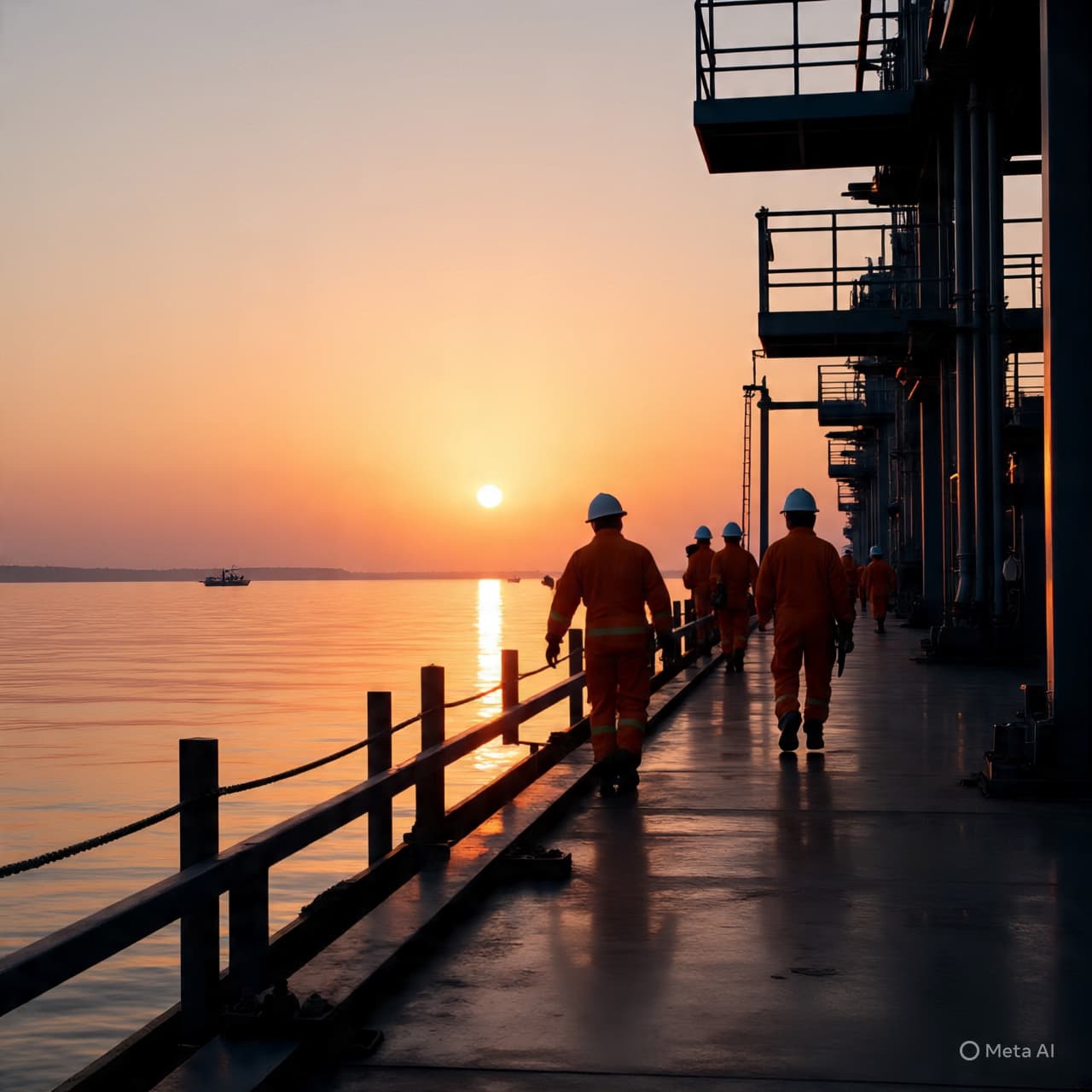
Yet amidst this hush of contemplation, there are gestures that echo the essence of continuity: maintenance crews preparing plants for eventual reopening, maritime pilots guiding vessels through still‑busy channels, families arranging tables for dinner with an undercurrent of resilient calm. For all its vast economic stakes, the moment also reveals how people attending to daily routines anchor themselves to the idea that some things must carry forward, even when the currents shift.
As ministers and analysts around the world watch energy indices and diplomatic cables with measured concern, Qatar’s landscapes of flame and steel continue to stand in reflective stillness. Here, beneath a sky that seems to inhale and exhale with unfolding world events, the nation listens for signals from beyond its borders—and within its own communities—that a new equilibrium might gradually take shape amid shifting sands.
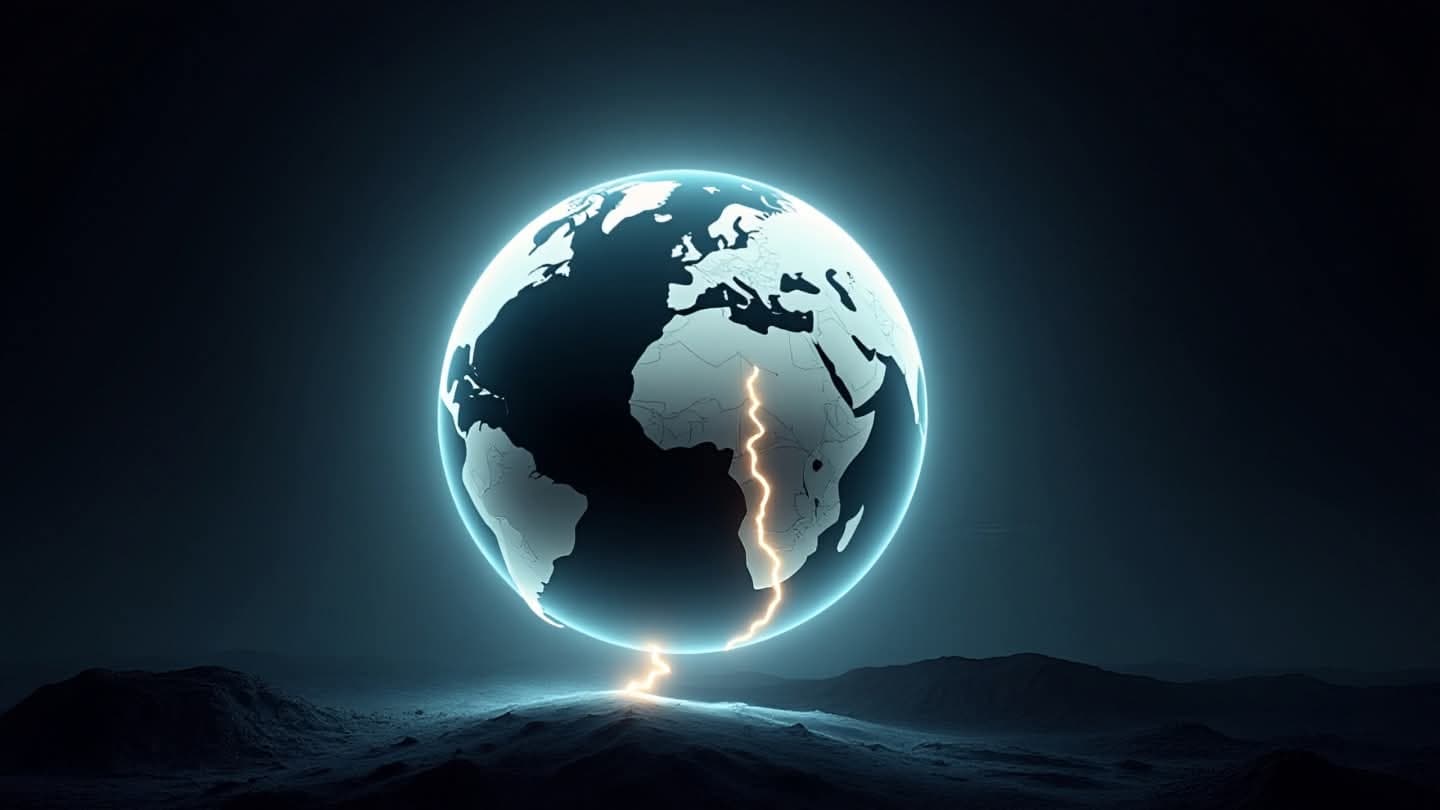
AI Image Disclaimer Illustrations were created using AI tools and are not real photographs.
Sources Reuters The Guardian Wikipedia (2026 Iranian strikes on Qatar) Reuters – Qatar energy minister warns war impact Reuters – Trump comments on Iran strike
Published by Banx Network. This article is part of the Banx decentralized media programme, powered by the BXE token on the XRP Ledger.