
Key Highlights
- Recent Israeli strikes in southern Lebanon resulted in at least 23 fatalities, marking a significant escalation in border tensions.
- Diplomatic efforts involving Iran are ongoing, with U.S. officials awaiting Tehran's response to proposals for de-escalation.
- The region remains in a precarious balance between military action and diplomatic negotiations, impacting civilian life and stability.
Night falls unevenly across the Middle East. In southern Lebanon, darkness settles over villages already marked by smoke and broken concrete, while farther east, in Tehran, government buildings remain lit long after midnight as diplomats and military officials weigh responses measured not only in language, but in consequence. Across the region, the hours between evening and dawn have become crowded with uncertainty — drones crossing borders, emergency sirens echoing through narrow streets, and negotiations unfolding quietly behind closed doors thousands of miles away.
This week, those overlapping currents drew closer once again. Israeli strikes in southern Lebanon reportedly killed at least 23 people, according to Lebanese health authorities and regional officials, in one of the deadliest escalations along the border in recent months. The attacks came as fighting between Israeli forces and armed groups linked to Hezbollah continued to intensify against the wider backdrop of regional tension connected to Iran and the ongoing war in Gaza.
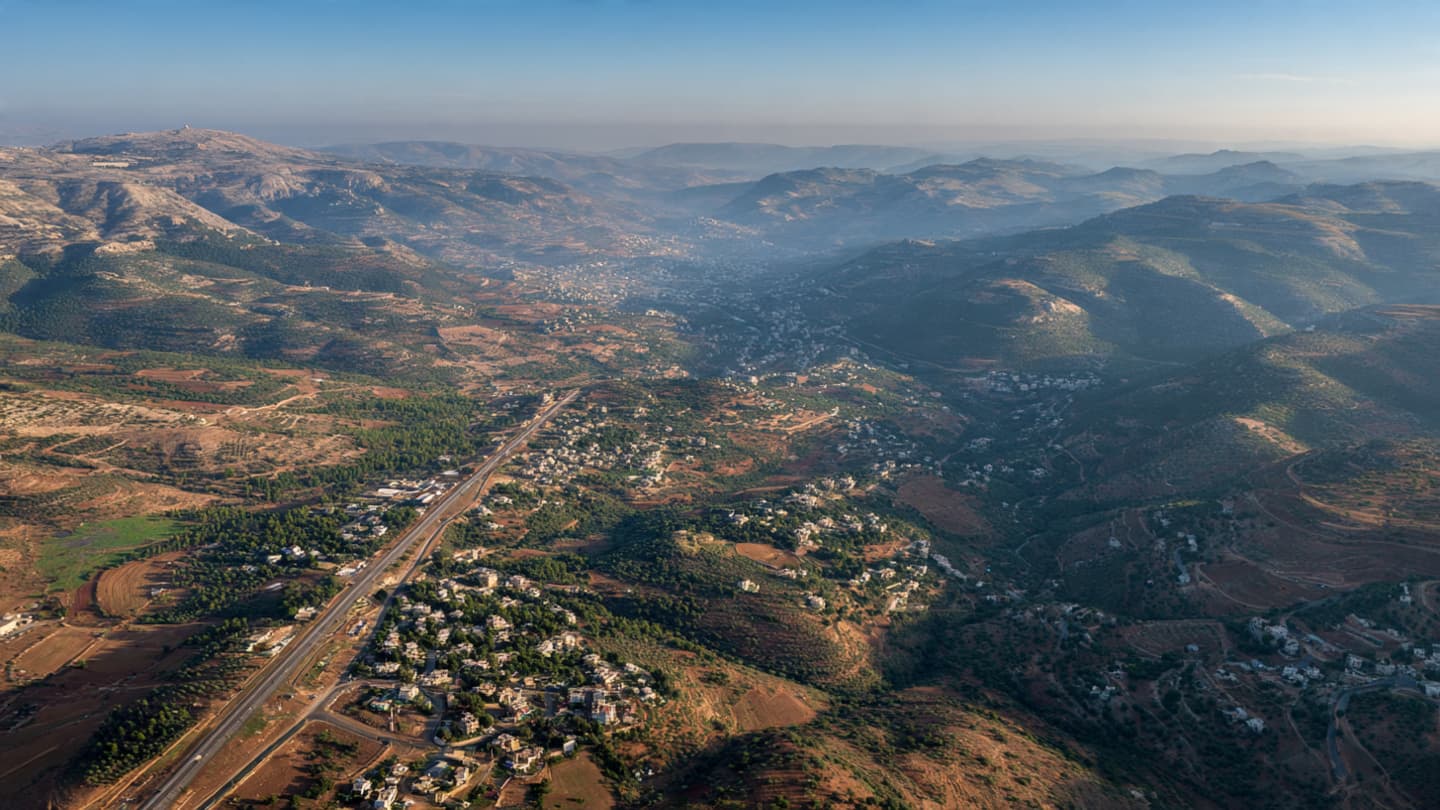
The borderlands between Israel and Lebanon have long existed in a state somewhere between ordinary life and suspended conflict. Farmers continue tending olive groves near fortified positions. Children walk to school beneath the distant sound of aircraft. Roads reopen after strikes, then empty again by evening. In towns across southern Lebanon, shattered storefronts and blackened walls now stand beside cafes that still pour coffee each morning, as if routine itself were an act of endurance.
Israeli military officials stated that operations targeted militant infrastructure and armed positions after continued rocket and drone launches from Lebanese territory. Lebanese authorities, meanwhile, described civilian casualties and damage spreading through residential areas already strained by months of intermittent bombardment.
At the same time, attention remained fixed on Iran, where officials were reportedly considering a response to a diplomatic proposal backed by the United States concerning regional de-escalation and nuclear negotiations. American officials said they were awaiting Tehran’s reply, though few observers expected swift clarity. The language of diplomacy in moments like these often moves slowly, shaped by ambiguity and strategic caution, even while violence on the ground accelerates.
The contrast has become one of the defining rhythms of the region: military escalation unfolding in public view while negotiations continue quietly in parallel. Airstrikes and statements emerge within hours of one another, each carrying different forms of pressure. Diplomats speak of stability and frameworks while border communities count casualties and repair damaged roads.
In Beirut, where Mediterranean air drifts through neighborhoods still carrying memories of past wars, many residents have watched the current tensions with a sense of familiarity edged by fatigue. Lebanon’s economic crisis has already hollowed much of daily life — power shortages, inflation, political paralysis — leaving communities with little margin for another prolonged conflict. Yet along the southern frontier, displacement has continued as families leave villages considered vulnerable to further strikes.
The broader regional atmosphere remains shaped by overlapping crises. Since the Gaza war began, armed groups aligned with Iran across Iraq, Syria, Yemen, and Lebanon have increased activity against Israeli and Western interests, while the United States has expanded military deployments across the eastern Mediterranean and Gulf. Naval patrols move through tense shipping corridors. Missile defense systems remain on heightened alert. Diplomatic envoys travel continuously between capitals attempting to contain escalation before it spreads further.
Still, much of the region’s reality unfolds away from strategic briefings and televised maps. It appears instead in smaller moments: apartment windows glowing during power outages, ambulances moving through narrow streets after midnight, fishermen returning quietly to damaged ports at sunrise. War is often discussed in terms of alliances and deterrence, yet it is lived most intimately through interruption — interrupted sleep, interrupted travel, interrupted futures.
In Washington, officials continued signaling hope that negotiations with Iran could prevent a wider confrontation, though analysts warned that every new strike along Israel’s northern border narrows the space for respite.
Published by Banx Network. This article is part of the Banx decentralized media programme, powered by the BXE token on the XRP Ledger.



