There are times when diplomacy feels like a distant shoreline—visible, perhaps, but not easily reached. Between that horizon and the present moment lies a restless tide, shaped by signals, misread intentions, and actions that speak louder than words. In the Middle East, that tide has once again begun to rise, carrying with it both tension and the faint suggestion of dialogue.
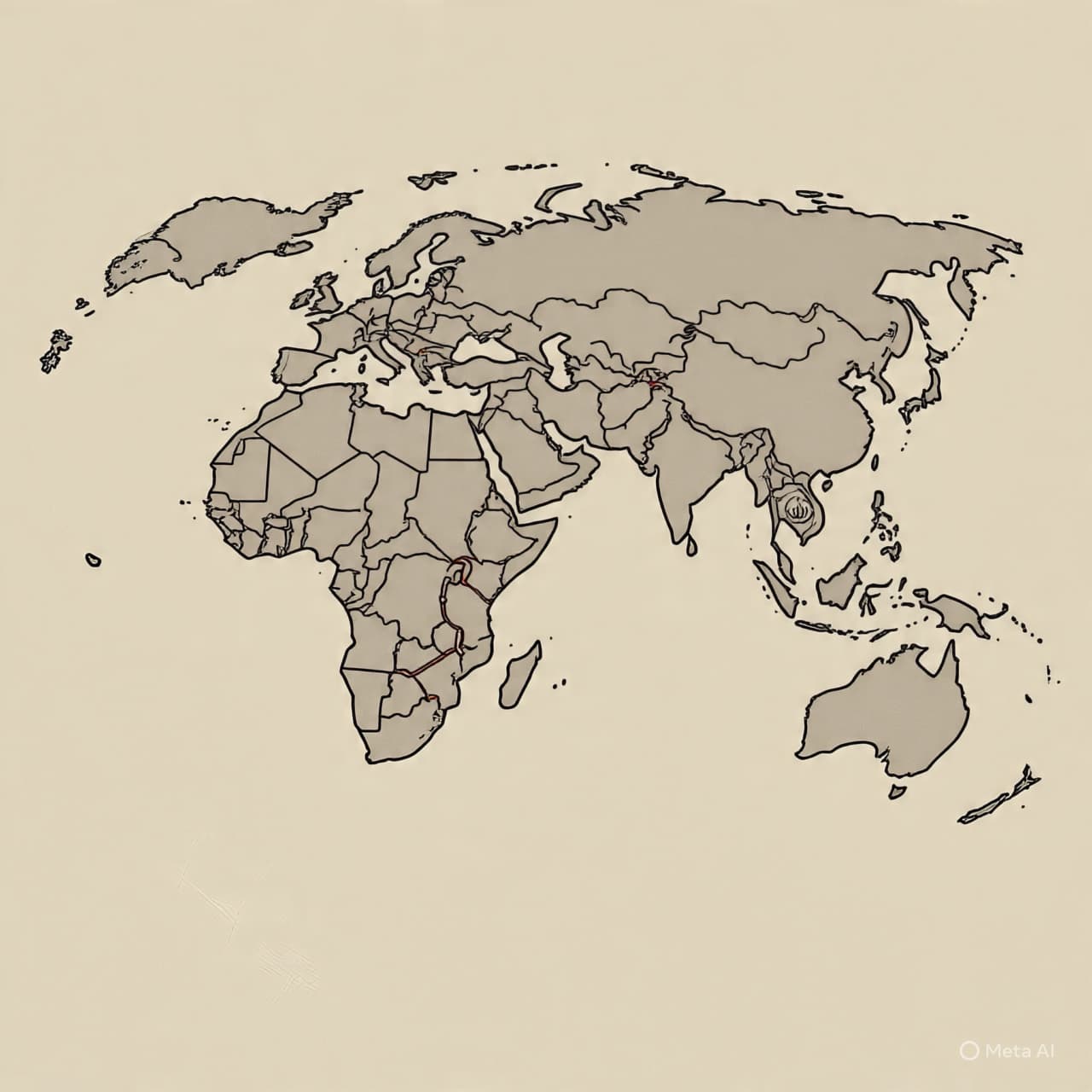
Recent days have seen an intensification of exchanges between Israel and Iran, a pattern that has become familiar yet no less consequential. Strikes and counter-strikes have unfolded in a rhythm that feels both deliberate and uncertain, as though each move is measured not only for impact but for message. The region watches closely, aware that even contained escalations can cast long shadows.
Amid this atmosphere, Donald Trump has offered a perspective that introduces a different note into the prevailing narrative. He suggested that Tehran, despite its posture and actions, may be seeking a pathway toward negotiation. It is a remark that lingers between interpretation and possibility, raising questions about whether current tensions are a prelude to dialogue or simply another chapter in a prolonged standoff.
The contrast is striking. On one hand, the visible reality of military activity—targeted operations, heightened alerts, and regional recalibration. On the other, the quieter suggestion that behind these movements may lie an interest in de-escalation, or at least in redefining terms. Such duality is not new in geopolitics, where confrontation and communication often unfold in parallel, each shaping the other in subtle ways.
Reports indicate that Israeli operations have focused on perceived threats linked to Iranian influence, while Iran’s responses have carried both symbolic and strategic weight. The exchanges, though limited in scope, underscore a broader dynamic—one in which regional actors test boundaries while seeking to avoid a wider rupture. It is a delicate balance, maintained not through certainty but through calculation.
In this context, statements like those from Trump serve as a reminder that narratives around conflict are rarely singular. They are layered, shaped by political positioning, intelligence assessments, and the ever-present possibility of negotiation. Whether Tehran’s intentions align with such claims remains an open question, one that may only be answered through actions that extend beyond the immediate cycle of retaliation.
The international community, meanwhile, continues to observe with cautious attention. Each development is weighed not only for its immediate implications but for what it may signal about the trajectory ahead. Energy markets, diplomatic channels, and regional alliances all find themselves subtly influenced by the unfolding situation.
For now, the pattern persists: movement and message intertwined, escalation accompanied by speculation. The distance between confrontation and conversation remains, but it is not immeasurable.
As events continue to develop, officials and observers alike appear to hold space for both outcomes—further tension or tentative engagement. In that space, the possibility of dialogue remains present, even if it is not yet within reach.
AI Image Disclaimer Visuals are created with AI tools and are not real photographs.
Source Check Credible sources covering this development:
Reuters Associated Press (AP News) Al Jazeera The New York Times BBC News
Published by Banx Network. This article is part of the Banx decentralized media programme, powered by the BXE token on the XRP Ledger.