

Key Highlights
- Australia experienced its wettest summer in nearly a decade, with rainfall significantly above average.
- The country also recorded its eighth-hottest summer, highlighting the dual impact of climate change.
- Regions like South Australia and New South Wales faced intense rain and flooding, while other areas dealt with persistent heat.
Australia's recent summer has been marked by a striking juxtaposition of weather extremes, presenting a complex narrative of both flooding and heatwaves. This season, which has been described as the wettest in nearly a decade, saw rainfall totals soar well above the long-term average, replenishing parched soils and swelling rivers across the continent. Simultaneously, Australia recorded its eighth-hottest summer on record, underscoring the ongoing challenges posed by climate change.
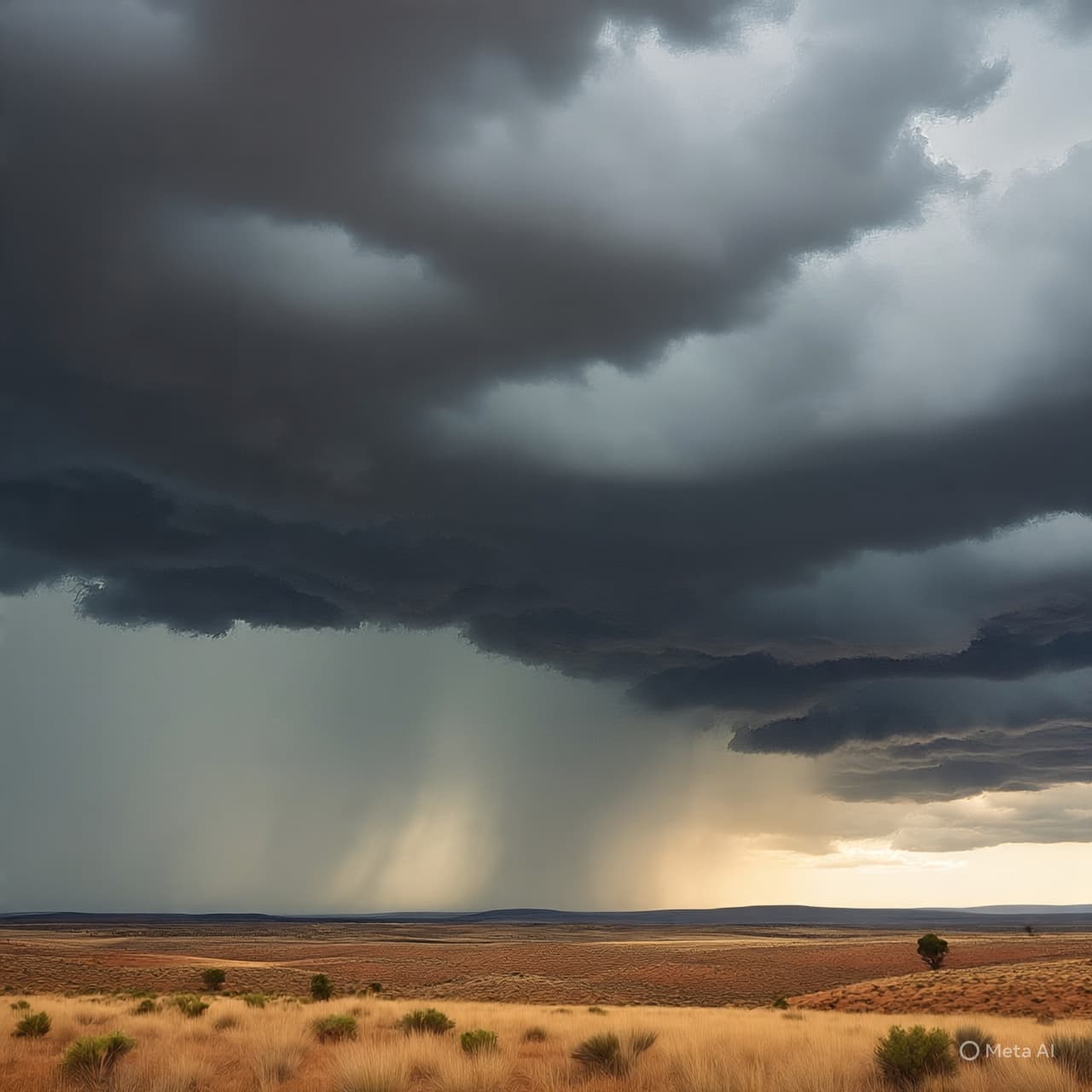
The interplay of these contrasting weather patterns has been particularly evident in various regions. For instance, South Australia, Victoria, and New South Wales experienced intense rainfall over short periods, with some desert areas receiving nearly a year’s worth of rain in just a few days. This sudden influx of water led to widespread flood watches and storm warnings, prompting communities to remain vigilant. However, the heavy rains also brought relief to farmers in drought-affected areas, illustrating the dual nature of this weather phenomenon.
Conversely, other parts of Australia faced relentless heat, with record high temperatures recorded in late January. The heatwaves persisted, creating long, warm nights that put pressure on local communities and infrastructures. Residents found themselves grappling with the effects of prolonged heat, which can have detrimental impacts on health and agriculture alike. Despite the challenges, many welcomed the moisture that the rains brought, highlighting the complex relationship between drought and flooding in the region.
As the summer unfolded, it became clear that this season was not merely a tale of disaster or comfort but rather a reflection of the intricate relationship between land and climate. The flooded fields and grateful crops stood in stark contrast to the sweltering afternoons, prompting conversations about the changing climate and its implications for the future. This season has served as a reminder of how deeply interconnected our environment is, and how weather patterns can shape our lives in profound ways.
As meteorological reports continue to emerge, they reveal a landscape reshaped by these extremes. The data collected will provide insights into the broader implications of climate change, but the lived experiences of those affected by these weather events offer a poignant narrative that numbers alone cannot capture. The land remembers every drop of rain and every rising degree of warmth, and it is this memory that shapes the future of Australia’s climate.
Published by Banx Network. This article is part of the Banx decentralized media programme, powered by the BXE token on the XRP Ledger.




