
Key Highlights
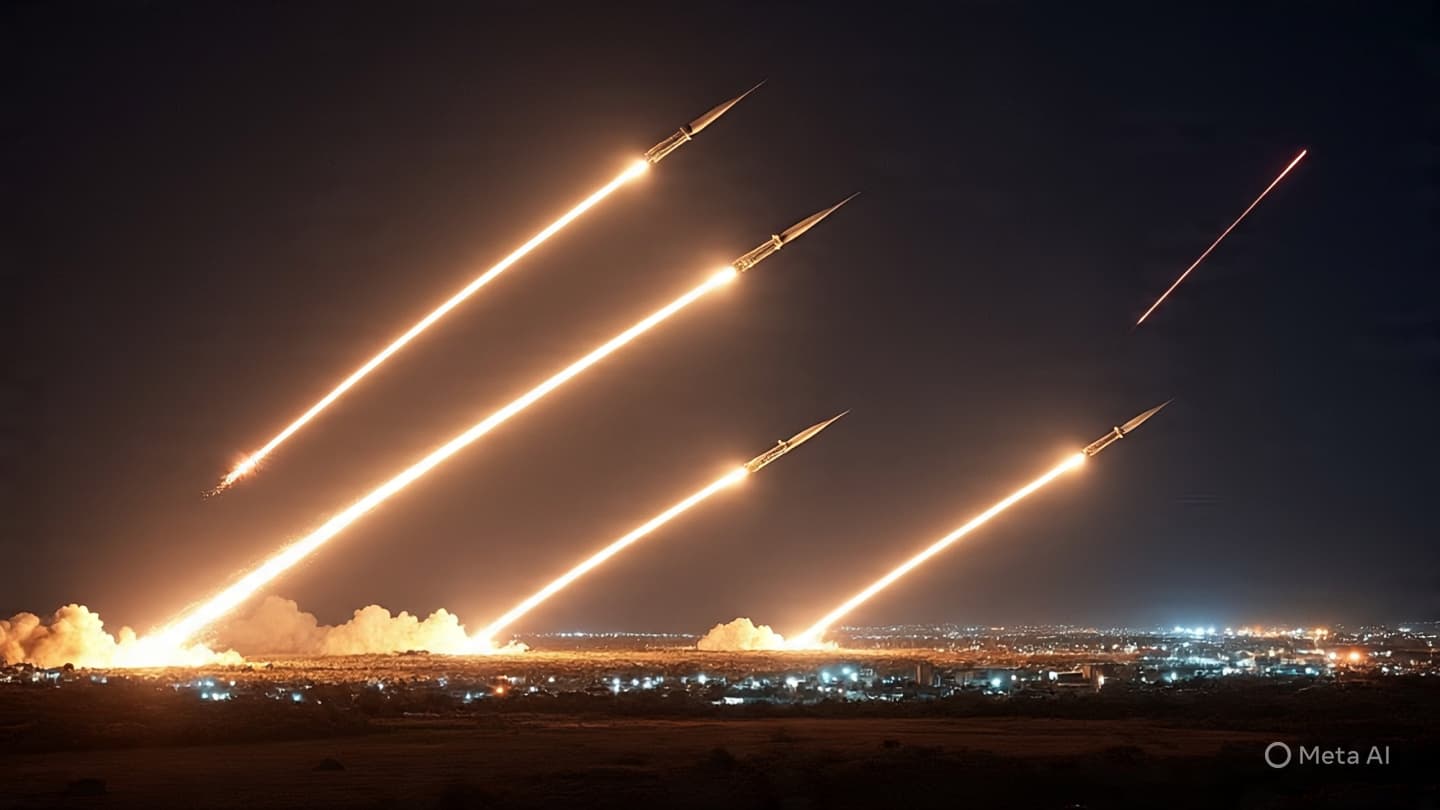
- Recent rocket attacks by Hezbollah on northern Israel have heightened tensions along the border.
- Diplomatic talks involving former U.S. President Donald Trump aim to address longstanding issues between Israel and Lebanon.
- The international community calls for restraint amid escalating military actions and ongoing negotiations.
The Middle East is a region where the sounds of conflict often intertwine with the language of diplomacy, creating a complex tapestry of events that unfold simultaneously. Recently, the situation has intensified as Hezbollah launched rockets toward northern Israel, raising alarms and concerns along the border. This military action coincides with diplomatic efforts led by former U.S. President Donald Trump, who is hosting discussions involving representatives from both Israel and Lebanon at the White House.
The stark contrast between the military strikes and diplomatic meetings highlights the dual nature of the current situation. While the rockets signify immediate military tension, the ongoing talks suggest a persistent search for stability and peace. This duality is emblematic of the broader complexities in the region, where progress and setbacks often occur in tandem, complicating the path toward resolution.
In response to the rocket fire, Israeli authorities have activated defensive measures, including advanced missile interception technologies, to safeguard affected areas. The situation remains fluid, with military and civilian responses closely monitored. Hezbollah, in framing its actions, often connects localized incidents to broader regional dynamics, illustrating how events in one area can resonate throughout the Middle East.
The diplomatic discussions in Washington are focused on addressing critical issues such as border disputes and security concerns that have long plagued relations between Israel and Lebanon. While expectations for immediate breakthroughs are tempered, the very act of engaging in dialogue is viewed as a crucial step toward de-escalation. Analysts emphasize that diplomacy in such volatile contexts tends to be incremental, with sustained engagement being vital to preventing further escalation.
The international community has responded to the recent developments with calls for restraint, urging all parties to avoid actions that could exacerbate the already fragile situation. Global leaders stress the importance of maintaining a delicate balance, particularly in light of the ongoing tensions.
For civilians residing near the border, the implications of these events are immediate and deeply personal. The sounds of sirens and the looming threat of conflict create an atmosphere of anxiety that transcends political discussions. As both conflict and conversation unfold, the outcome remains uncertain. Yet, within this tension lies a crucial reminder: even amidst escalation, the potential for dialogue endures.
The path forward may be fraught with challenges, but it is shaped by the echoes of rockets and the quiet efforts of negotiation, underscoring the enduring hope for peace in a region marked by conflict.
Published by Banx Network. This article is part of the Banx decentralized media programme, powered by the BXE token on the XRP Ledger.



