

Key Highlights
- Date of Incident:Easter Sunday marked by airstrikes in Lebanon.
- Casualties:At least 11 people killed, several injured.
- Context:Strikes reflect ongoing tensions between Israel and Lebanon.
On Easter Sunday, a day typically associated with peace and reflection, the tranquility in Lebanon was shattered by the sound of Israeli airstrikes. Initial reports indicate that these strikes targeted multiple locations across southern Lebanon, resulting in at least 11 fatalities and numerous injuries. This incident underscores the escalating tensions along the Israel-Lebanon border, where military exchanges have become increasingly common.
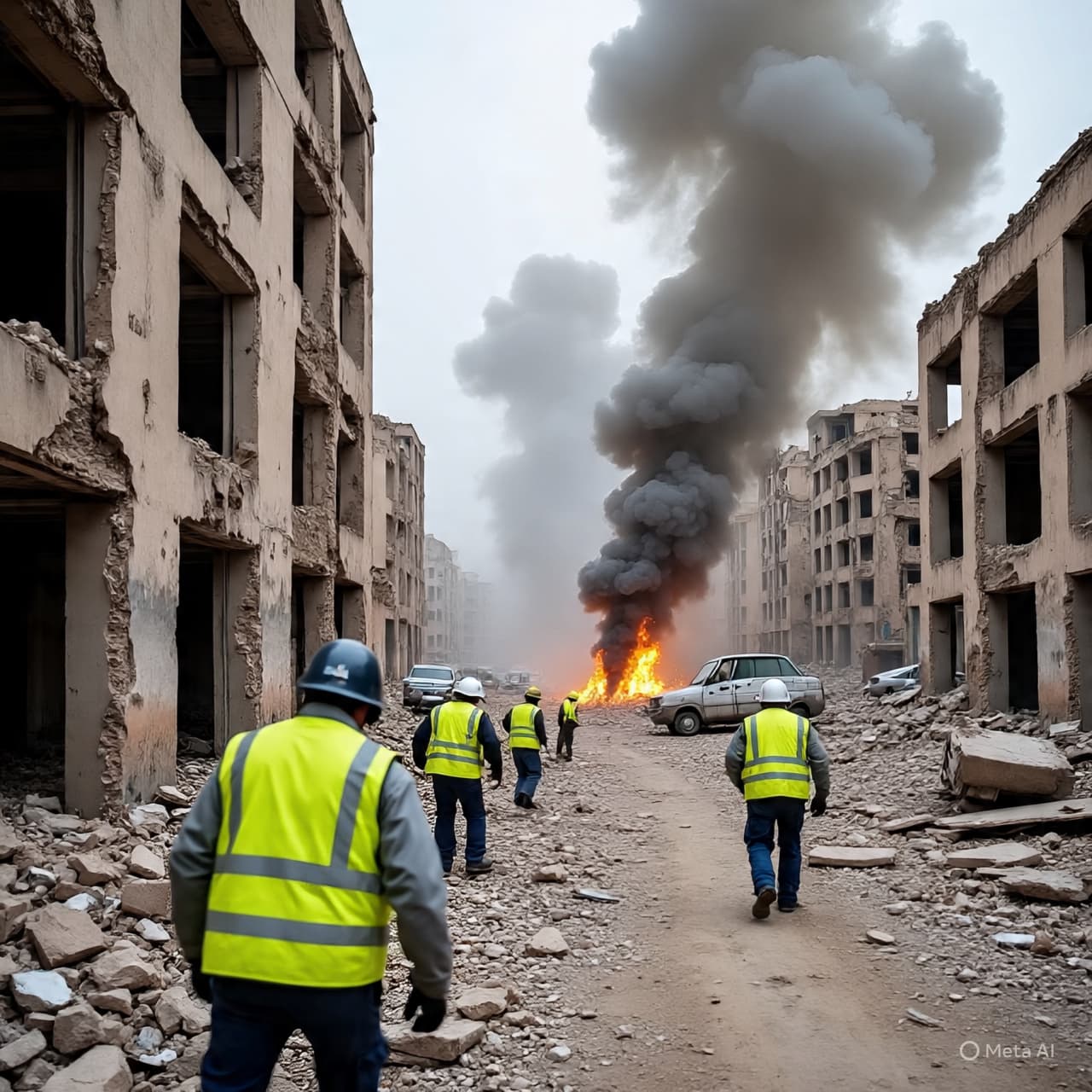
Witnesses recounted harrowing scenes as chaos erupted in the aftermath of the strikes. Buildings were damaged, roads were rendered impassable, and families found themselves grappling with the uncertainty that follows such violent events. Emergency responders rushed to the scene, navigating through debris and responding to the urgent needs of those affected.
Israeli officials defended the airstrikes, asserting that they were aimed at militant positions in response to security threats. Conversely, Lebanese authorities highlighted the civilian toll, emphasizing the human cost of military actions. This divergence in narratives reflects the complexities of the conflict, where strategic decisions often come at a grave price for innocent lives.
The timing of the airstrikes, coinciding with a significant religious observance, has amplified the emotional weight of the situation. Easter Sunday, a day meant to symbolize renewal and hope, was transformed into a day of mourning for many families in Lebanon. The stark contrast between the expectations of peace and the harsh reality of violence has left a profound impact on the community.
The border regions between Israel and Lebanon have historically been volatile, with tensions simmering just beneath the surface. This latest incident serves as a reminder of the fragility of peace in the area, where moments of calm can quickly devolve into conflict. The international community has begun to respond, with calls for restraint and de-escalation echoing from various diplomatic channels. However, the path to resolution remains fraught with challenges.
For those living in the affected areas, the immediate focus is on recovery. Families are left to tend to the injured, repair their homes, and process the trauma of the day. Yet, beyond the visible damage lies a deeper concern: the persistent cycle of violence that continues to plague the region. As the day drew to a close, the echoes of the airstrikes lingered, not just in sound but in the memories of those who experienced the chaos firsthand.
In the aftermath, there is no simple resolution to the conflict. Instead, there is a collective hope that one day, such moments of violence may give way to lasting peace and understanding. Until then, the stories of those affected will continue to resonate, reminding us of the human cost of conflict.
Published by Banx Network. This article is part of the Banx decentralized media programme, powered by the BXE token on the XRP Ledger.




