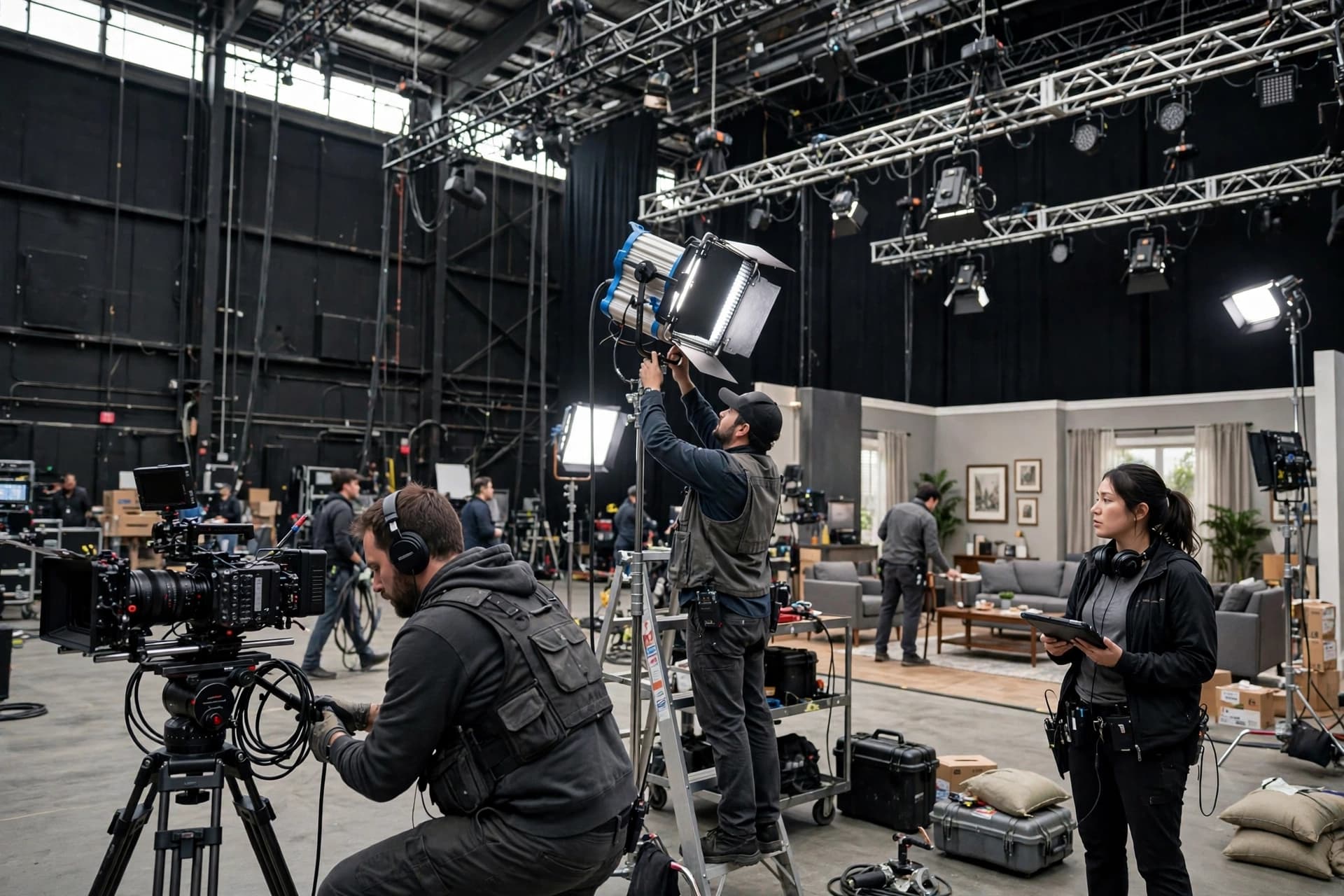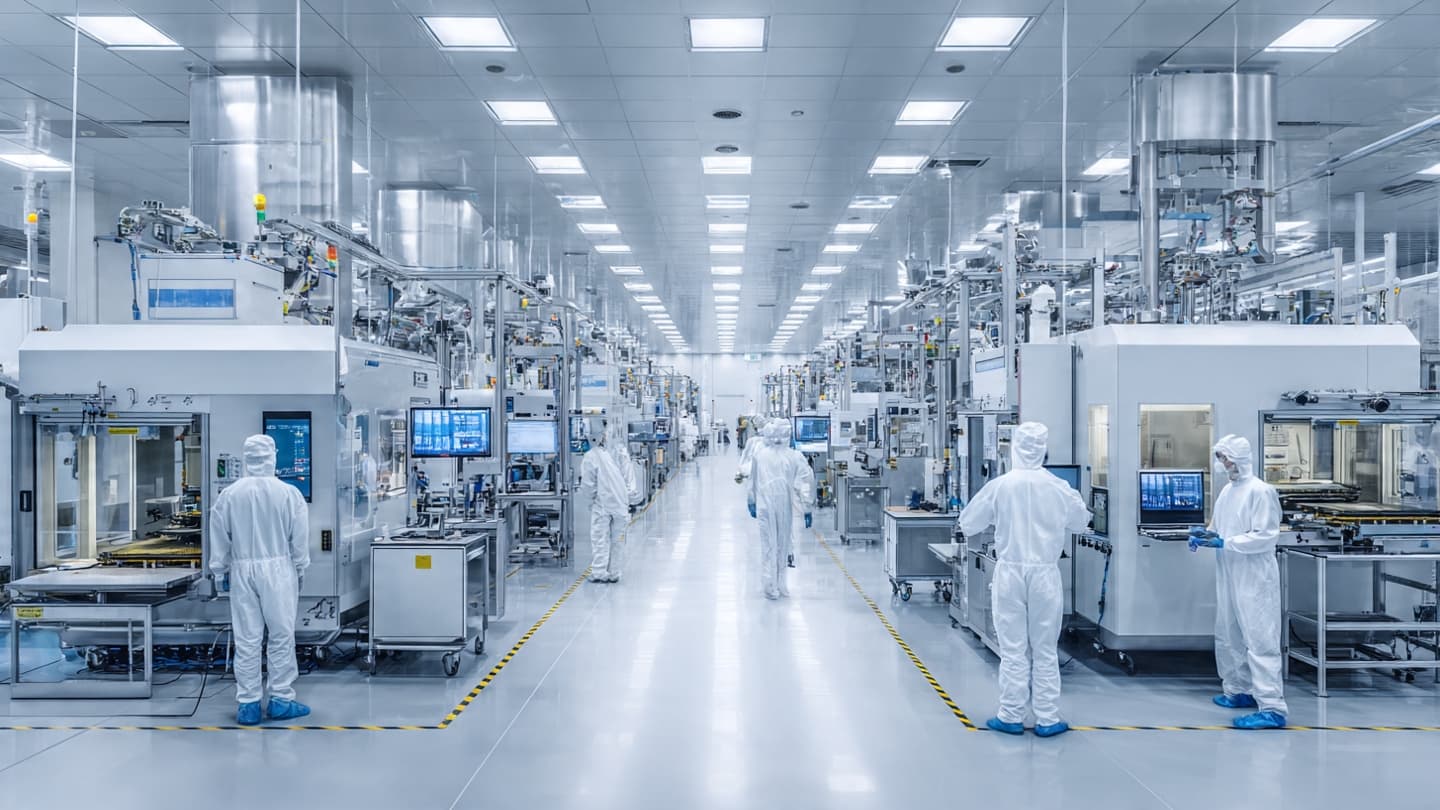
The sound of a factory floor has its own rhythm: machinery moving, materials arriving and finished products leaving through loading bays. In Japan, that rhythm grew louder in August as manufacturers recorded their strongest increase in new orders in more than eight years.
Japan's flash manufacturing PMI rose to 55.1 in August from 54.5 in July, according to S&P Global data reported by Reuters. New orders increased at their fastest pace since January 2018, while production and overseas orders also strengthened.
Semiconductor and artificial-intelligence demand were among the forces supporting the manufacturing expansion. Japan remains deeply connected to the global technology supply chain, producing machinery, electronic components and specialized equipment used in industries ranging from automobiles to advanced computing.
The improvement arrives against a more complicated economic background. Japan's gross domestic product growth slowed in the second quarter, while households have continued to face higher prices. Manufacturing strength therefore provides an important counterweight to areas of the economy where demand remains less certain.
The PMI data showed that services activity also improved. Japan's services PMI rose to 52.3, while the composite output index reached 53.4, its highest level since February. Together, the figures suggested that private-sector activity remained in expansion territory as summer approached its final weeks.
For manufacturers, confidence has also improved. Companies surveyed for the PMI reported greater optimism about future sales and market conditions. That confidence can influence decisions about hiring, inventories and investment, although businesses remain sensitive to material costs and supply-chain conditions.
Semiconductors are particularly important to the current industrial cycle. Artificial intelligence requires enormous quantities of computing equipment, and that demand spreads through a long chain of suppliers. Japan's position in producing advanced manufacturing equipment and specialized materials gives its companies an important role even when the final AI products are assembled elsewhere.
The country is also considering ways to strengthen access to critical minerals. Japan's industry ministry recently proposed giving the state-owned Japan Organization for Metals and Energy Security greater freedom to invest directly in critical-mineral projects, potentially allowing it to participate without requiring Japanese companies to join those investments.
At the same time, inflation continues to shape the business environment. Japan's core consumer inflation accelerated in July, with companies passing some higher import costs through to consumers. That creates a delicate balance for manufacturers: stronger orders can support production, while higher input costs can pressure margins.
The August manufacturing numbers therefore offer a glimpse of an industrial economy moving in several directions simultaneously. Technology demand is providing momentum, services are expanding and business confidence has improved, even as inflation and weaker household demand remain part of the background.
For now, Japanese factories appear to be entering the latter part of summer with more activity than many had expected. New orders, particularly those connected to semiconductors and AI, are giving the manufacturing sector a stronger pulse and placing Japan's industrial base once again close to the center of the global technology supply chain.
SEO-friendly Slug japan-manufacturing-pmi-new-orders-semiconductor-ai-august-2026
Hashtags #Japan #Manufacturing #Semiconductors #AI #Technology #Business #Economy
Image Disclaimer The illustrations were created using AI tools to visualize industrial conditions described in the article and should not be considered real photographs.
Sources Reuters S&P Global
Published by Banx Network. This article is part of the Banx decentralized media programme, powered by the BXE token on the XRP Ledger.