
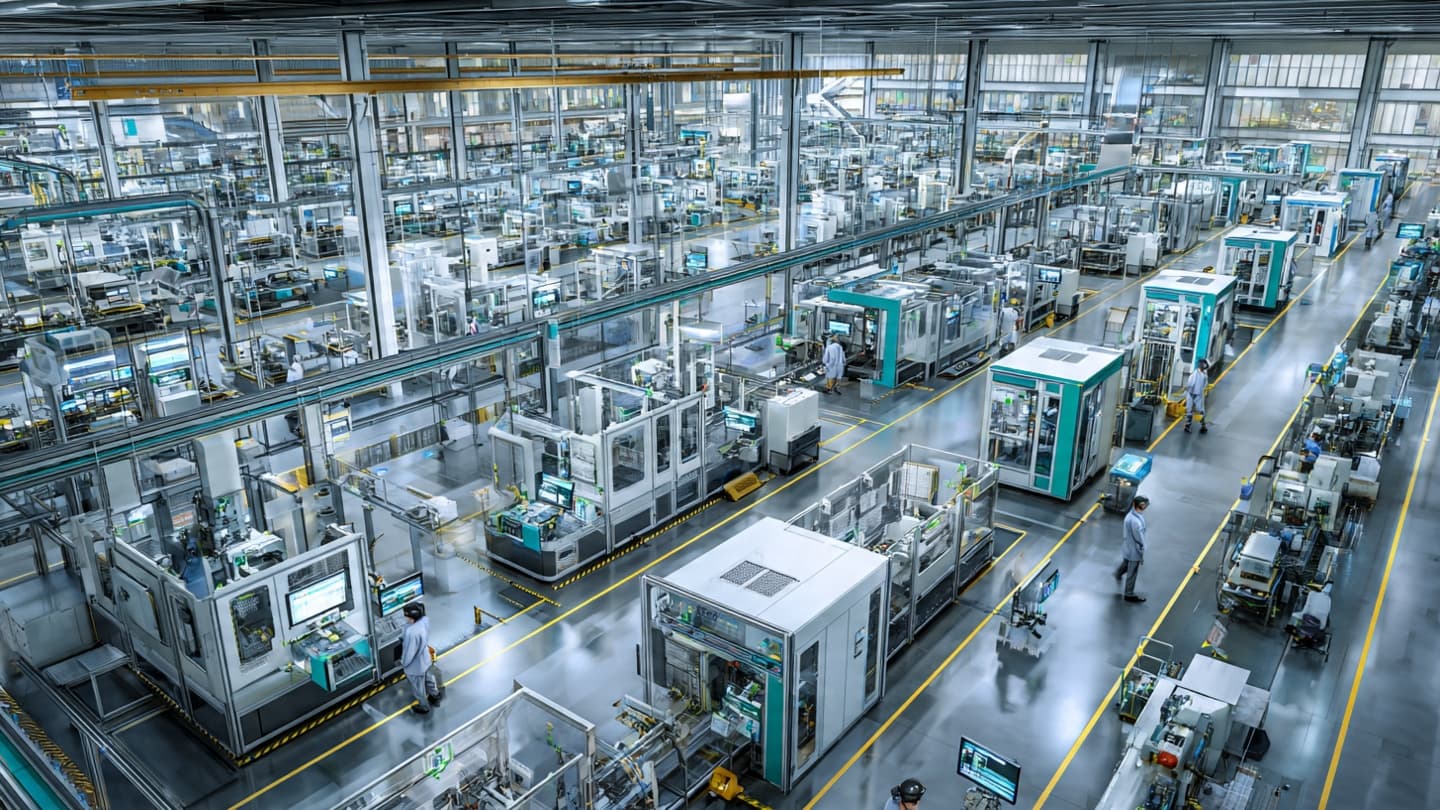
Across Japan’s industrial landscape, the sound of machinery continues to echo through factories and research centers. Behind these steady rhythms lies a story of adaptation, where companies balance long-standing traditions with the changing demands of a connected global economy.
Japan’s businesses have built their reputation through precision, reliability, and careful attention to detail. These qualities continue shaping industries as companies respond to new challenges and opportunities emerging from global economic changes.
Manufacturers in Japan have remained focused on maintaining production strength while navigating shifts in costs, supply chains, and international demand. The environment requires companies to adjust strategies while protecting the foundations that have supported their growth.
Technology has become an increasingly important element within Japan’s business transformation. Demand for advanced components, automation systems, and digital solutions has encouraged companies to explore new areas of expansion.
The country’s manufacturing sector has also benefited from growing interest in semiconductor technology and artificial intelligence-related industries. These areas have created new connections between traditional manufacturing expertise and emerging digital markets.
However, business confidence is shaped by many factors. Companies must consider consumer trends, operational costs, and the broader movement of the international economy as they plan future investments.
Japan’s economic story has often been defined by gradual progress rather than sudden changes. Businesses continue moving carefully, combining innovation with experience accumulated over decades.
As global markets continue evolving, Japanese companies remain focused on strengthening competitiveness and exploring new opportunities. Their journey reflects a wider transformation taking place across industries where technology and traditional expertise increasingly meet.
AI Image Disclaimer: Illustrations were created using AI tools and are not real photographs.
Sources Reuters Nikkei Asia Bloomberg
Published by Banx Network. This article is part of the Banx decentralized media programme, powered by the BXE token on the XRP Ledger.



