
Key Highlights
- Germany's economy is experiencing a significant shift due to rising competition from China.
- Exports to China have declined to their lowest levels in a decade, impacting German manufacturers.
- Chancellor Friedrich Merz is navigating a complex relationship with Beijing, balancing cooperation and caution.
Germany, long regarded as Europe's industrial powerhouse, is currently facing a profound economic recalibration as it grapples with a new wave of competition from China. This transformation, often referred to as a 'China shock,' is reshaping the landscape of German manufacturing and trade. Once unchallenged in its dominance, Germany's manufacturing sector is now contending with a surge of Chinese electric vehicles and machinery that are rapidly gaining market share. The implications of this shift are significant, as exports to China—once a cornerstone of Germany's trade success—have plummeted to their lowest levels in a decade.
In cities like Munich and Hamburg, the atmosphere is one of cautious adaptation. Workers and small business owners express concerns about the changing dynamics of demand, particularly in the luxury vehicle market, where German brands are losing ground to their Chinese counterparts. A sales forecaster from a prominent automaker noted that the once-thriving demand in China has diminished, while imports from China are flooding the European market, challenging the established order of German industry.
At the center of this economic transformation is Chancellor Friedrich Merz, who has been in office for just over a year. Merz is acutely aware of the historical significance of this moment and is working to align Germany's traditional strengths with the realities of a new global economic landscape. His approach to China has evolved from one of optimistic engagement to a more cautious stance that seeks to balance openness with strategic prudence. This shift reflects a broader reassessment of Germany's foreign policy towards Beijing, as scholars note a growing recognition of the need for a more nuanced approach to cooperation and competition.
In recent weeks, Merz has extended greetings for the Lunar New Year, signaling a desire for renewed dialogue with China. However, the data revealing a decline in outbound trade to China has prompted urgent discussions in Berlin and Brussels about the need for diversification and enhanced industrial capabilities. Business delegations are actively seeking new markets beyond traditional partners, while policymakers are exploring defensive trade measures to bolster the resilience of German enterprises.
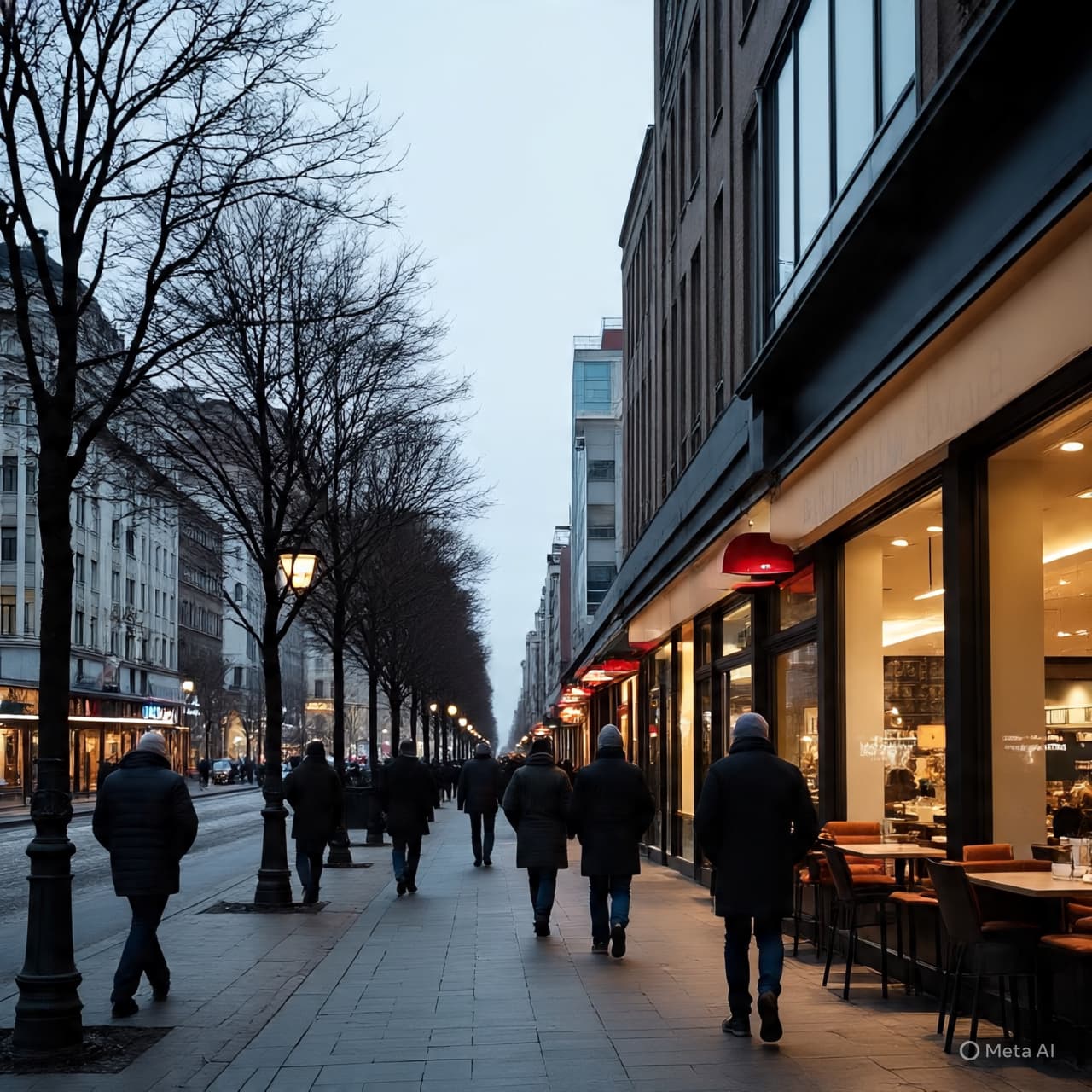
The human impact of these economic shifts is palpable. In the cafés along Unter den Linden and near the banks of the Rhine, engineers, strategists, and apprentices are engaged in conversations about the evolving landscape of their livelihoods. They are not merely discussing conflict but rather the transformative changes that are reshaping their industries. The atmosphere is one of cautious optimism, as the hum of a new industrial dawn begins to resonate throughout Germany. Each turn of an engine and every negotiation reflects the nation's journey toward an uncertain yet promising future.
As Germany navigates this complex economic terrain, the interplay between its historical strengths and the challenges posed by rising competition will be crucial in determining its future trajectory. The path forward may be fraught with uncertainty, but the resilience and adaptability of the German economy will be tested in the months and years to come.
Published by Banx Network. This article is part of the Banx decentralized media programme, powered by the BXE token on the XRP Ledger.



