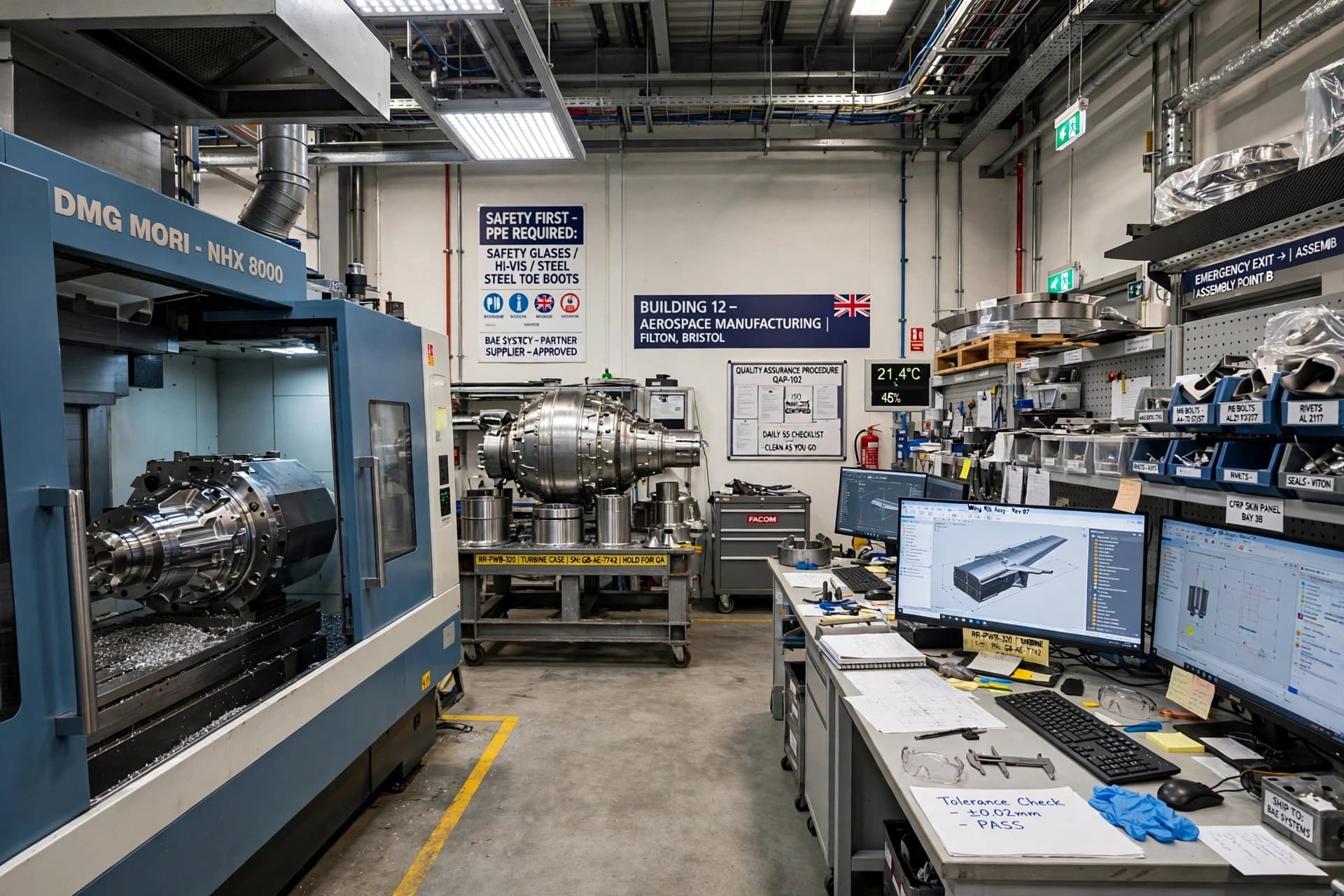
The sound of a factory has always carried a particular meaning. Machinery moves, materials travel across floors, workers monitor production lines and finished products begin another journey toward distant markets. In many American communities, the factory has also represented a connection between local employment and the wider economy.
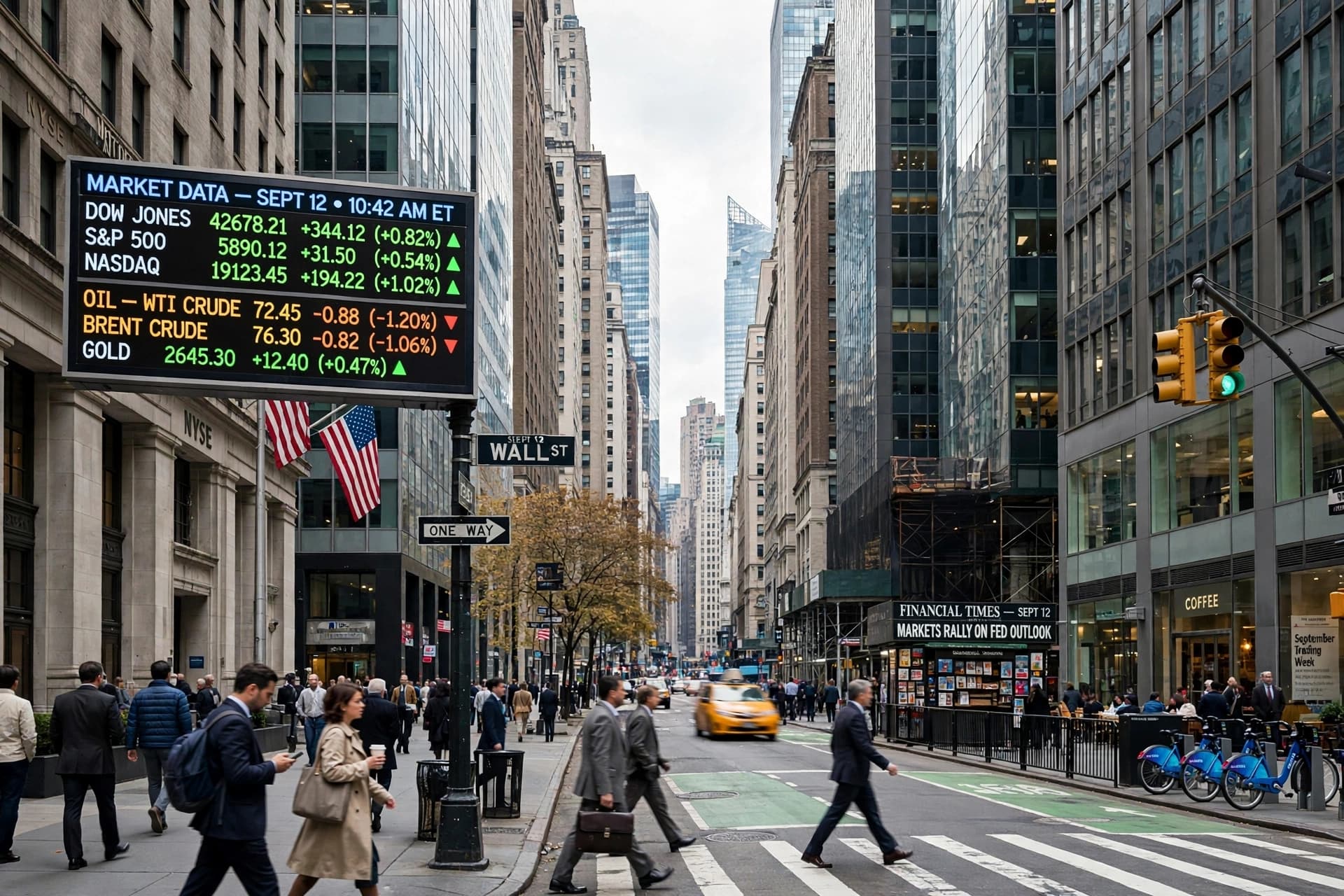
That relationship has been changing as companies invest in new production facilities and expand existing operations. Manufacturing investment has increasingly become part of a broader effort to strengthen production capacity inside the United States while responding to changing demand and supply-chain conditions.
The transformation is not happening in one industry alone. Semiconductor plants, battery facilities, automotive factories and advanced manufacturing projects have appeared across different parts of the country, creating new industrial clusters around specialized production.
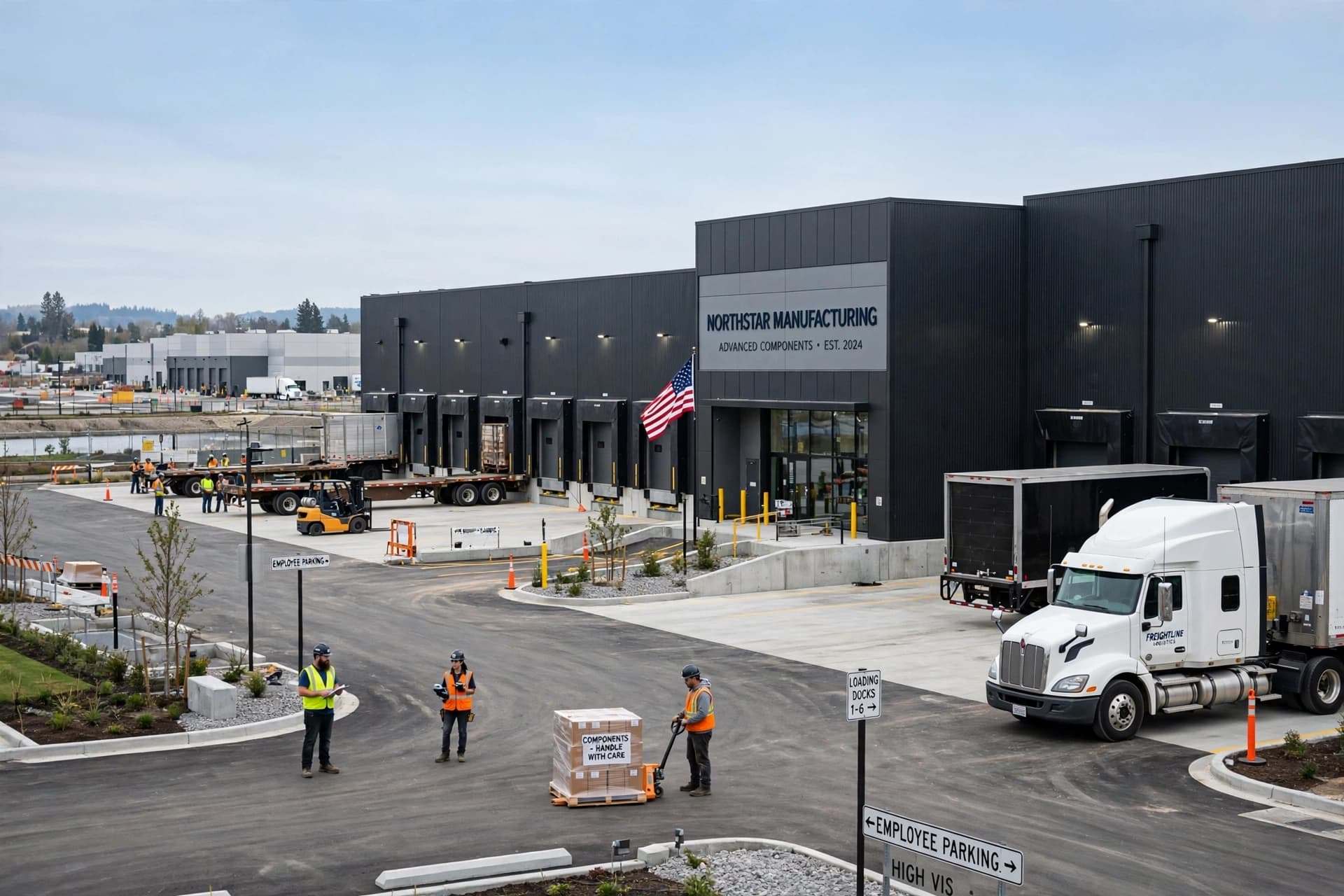
Such projects require more than buildings. Modern factories depend on reliable electricity, transportation networks, water systems, specialized equipment and workers with technical skills. A single investment can therefore generate activity far beyond the walls of the factory itself.
The construction phase can bring another wave of economic activity. Contractors, equipment suppliers, engineers and transportation companies become part of the project before the first product ever reaches the production line.
Once a facility becomes operational, its influence can continue through supplier networks. Smaller manufacturers may establish operations nearby to provide components, maintenance services or specialized materials, gradually creating a larger industrial ecosystem.
The process also reflects the changing expectations of global manufacturers. Companies increasingly consider resilience alongside cost when deciding where production should take place. Having multiple sources of supply can provide alternatives when transportation routes are disrupted or demand changes unexpectedly.
Yet domestic production remains connected to international markets. American factories still rely on imported materials, machinery and components, while many finished products are ultimately sold abroad. The modern manufacturing system is therefore not becoming entirely domestic; it is becoming more geographically diversified.
For communities, the arrival of a major manufacturing investment can bring opportunities as well as practical changes. New employment can coincide with additional demand for housing, transportation and public infrastructure, making industrial expansion a broader regional development issue.
The factory floor, meanwhile, continues to evolve. Automation, robotics and digital monitoring have changed how products are manufactured, allowing companies to produce more sophisticated goods with increasingly integrated systems.
Across the American industrial landscape, the latest wave of investment is therefore about more than new buildings. It represents a gradual reshaping of where things are made, how materials move and how communities connect themselves to the global economy. The machines may be modern, but the underlying story remains familiar: capital arrives, production begins, and a new industrial rhythm slowly takes shape.
IMAGE DISCLAIMER
These visuals are AI-generated conceptual illustrations and are not photographs of the actual manufacturing projects or facilities.
SOURCES
Reuters U.S. Department of Commerce U.S. Census Bureau Federal Reserve
Published by Banx Network. This article is part of the Banx decentralized media programme, powered by the BXE token on the XRP Ledger.