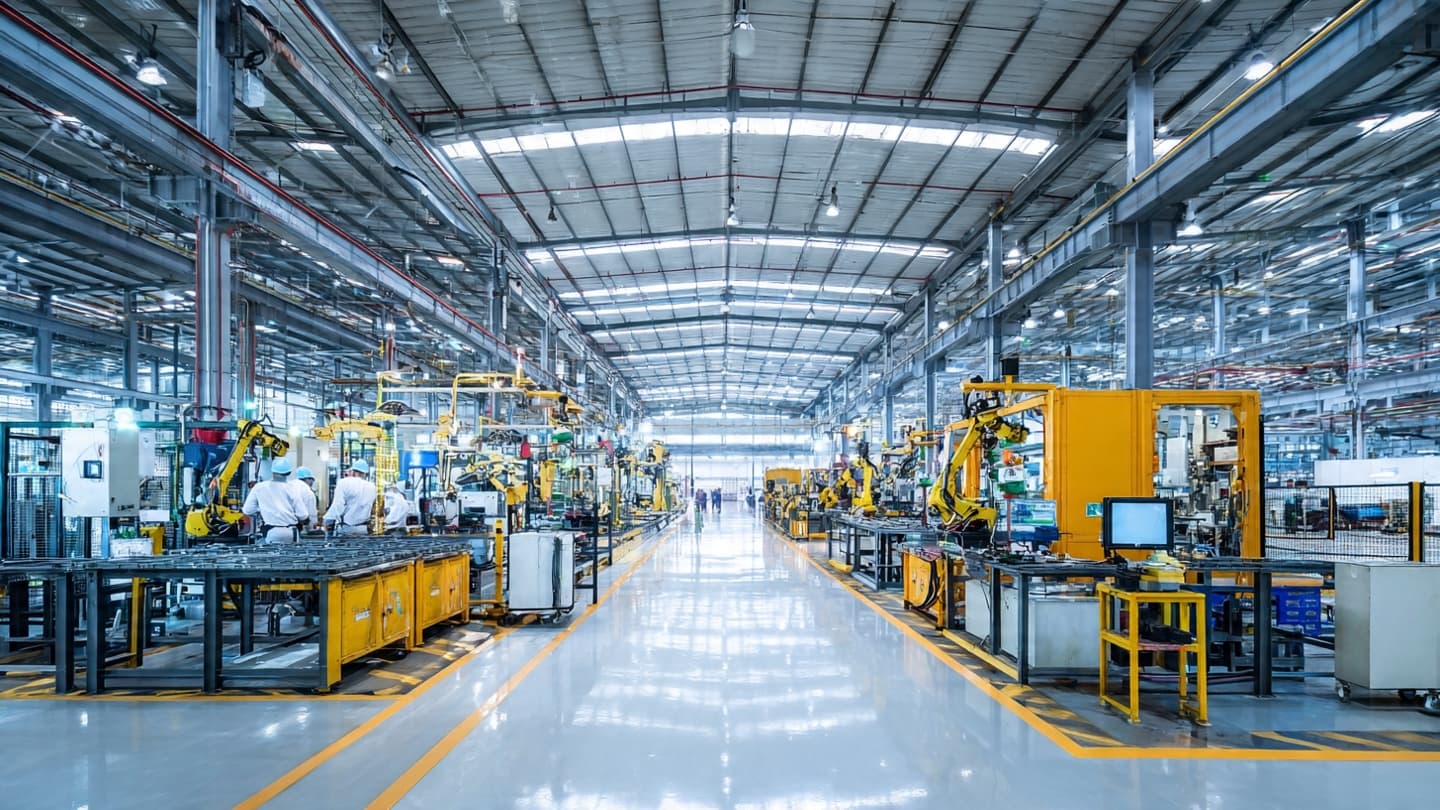
Inside a modern factory, the most important movement is not always visible. Machines communicate quietly, sensors record changes in temperature and pressure, and software gathers information from production lines that once operated largely on their own. Indonesia’s industrial sector is gradually entering this more connected landscape.
The country has been encouraging manufacturers to adopt digital technologies as part of efforts to improve productivity and competitiveness. Industry 4.0 programs have focused on automation, data systems, artificial intelligence and connected production.
For Indonesia, the shift carries particular importance because manufacturing remains a major contributor to the national economy. Industries ranging from automotive and electronics to food processing are looking for ways to increase efficiency while maintaining competitive production costs.
Automation can reduce repetitive manual work and allow machines to perform tasks with greater consistency. At the same time, digital monitoring can help factories identify equipment problems before they become expensive interruptions.
Cloud computing has also become increasingly relevant. Instead of storing all operational data on individual machines, companies can connect production information to centralized systems that allow managers and engineers to monitor performance across different facilities.
Artificial intelligence adds another layer. Algorithms can analyze production data, identify patterns and potentially assist with quality control or maintenance. The technology does not necessarily replace entire production lines; in many cases, it works alongside workers and existing industrial equipment.
Smaller manufacturers face a different challenge. Large companies may have the resources to invest in sophisticated automation, while smaller businesses must carefully assess the cost of upgrading equipment and training employees.
That makes skills an important part of industrial digitalization. A factory equipped with advanced machinery still needs technicians, engineers and managers who understand how to operate and maintain those systems.
Indonesia’s geographical scale adds another dimension. Digital systems can help companies coordinate operations across islands and production centers, making information available more quickly even when physical facilities are separated by long distances.
The country’s industrial transformation is therefore taking place gradually rather than through a single technological leap. As manufacturers adopt automation, connected equipment and data-driven management, Indonesian factories are becoming part of a broader global movement toward digitally integrated production.
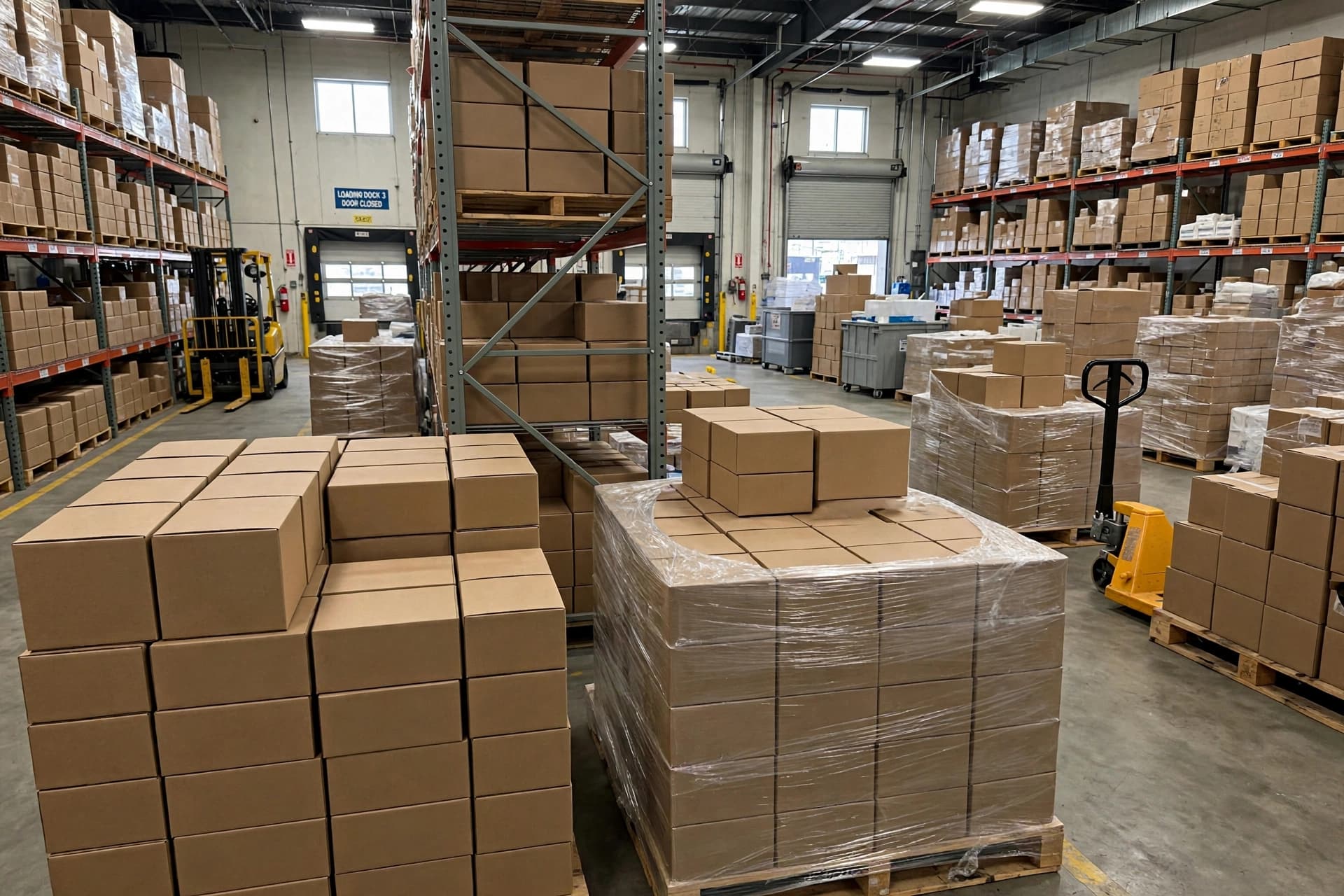
AI Image Disclaimer The accompanying visuals were generated with AI for conceptual purposes and do not represent actual Indonesian manufacturing facilities.
Sources Indonesia Ministry of Industry Indonesia National Research and Innovation Agency (BRIN) World Economic Forum Asian Development Bank United Nations Industrial Development Organization (UNIDO)
Published by Banx Network. This article is part of the Banx decentralized media programme, powered by the BXE token on the XRP Ledger.