
Evening often settles across Europe in a gradual hush, city lights brightening one by one as diplomatic briefings continue behind closed doors. In the language of international affairs, words can travel as steadily as aircraft, carrying signals of caution and intent. When tensions rise in one region, distant capitals respond not with immediacy alone, but with reflection—measured statements shaped by history and alliance.
In recent remarks, officials from France, Germany, and the United Kingdom urged Iran to “negotiate a solution” following the latest escalation of hostilities. The joint appeal came amid heightened regional instability and renewed exchanges involving military forces. European leaders emphasized dialogue as a pathway toward de-escalation, framing negotiation as a necessary step to reduce further risk.
The statement reflects a longstanding diplomatic approach shared by the three nations, often working in coordination on regional security issues. In moments of intensified conflict, such calls typically aim to open space for discussion before positions harden further. Diplomats frequently underline the importance of international agreements, communication channels, and structured talks as mechanisms to prevent additional escalation.
While the details of the attack and subsequent developments continue to be assessed by international observers, the European appeal focused on restoring diplomatic engagement. Officials highlighted the value of multilateral frameworks and expressed concern over broader regional consequences. In global diplomacy, timing can be as significant as content; calls for negotiation often seek to align momentum toward stability before cycles of retaliation deepen.
Iran’s response to international outreach has varied in tone depending on context, and negotiations in the past have involved complex discussions over security concerns, sanctions, and regional influence. European governments have historically participated in diplomatic efforts concerning Iran’s nuclear program and broader regional dynamics, seeking agreements that balance security interests with economic and political considerations.
The current appeal underscores the interconnectedness of regional events and global diplomacy. Decisions made in one capital can influence conversations in another, shaping energy markets, security planning, and alliance coordination. As leaders emphasize negotiation, international institutions and partner governments continue monitoring developments closely, attentive to both immediate risks and longer-term implications.
For now, the message from Paris, Berlin, and London centers on dialogue—an invitation to return to structured discussions even amid uncertainty. Whether such efforts lead to renewed talks will depend on responses from Tehran and the evolving situation on the ground. In the quiet intervals between announcements, diplomacy continues its steady work, seeking pathways that may soften the edges of a turbulent moment and guide events back toward conversation rather than confrontation.
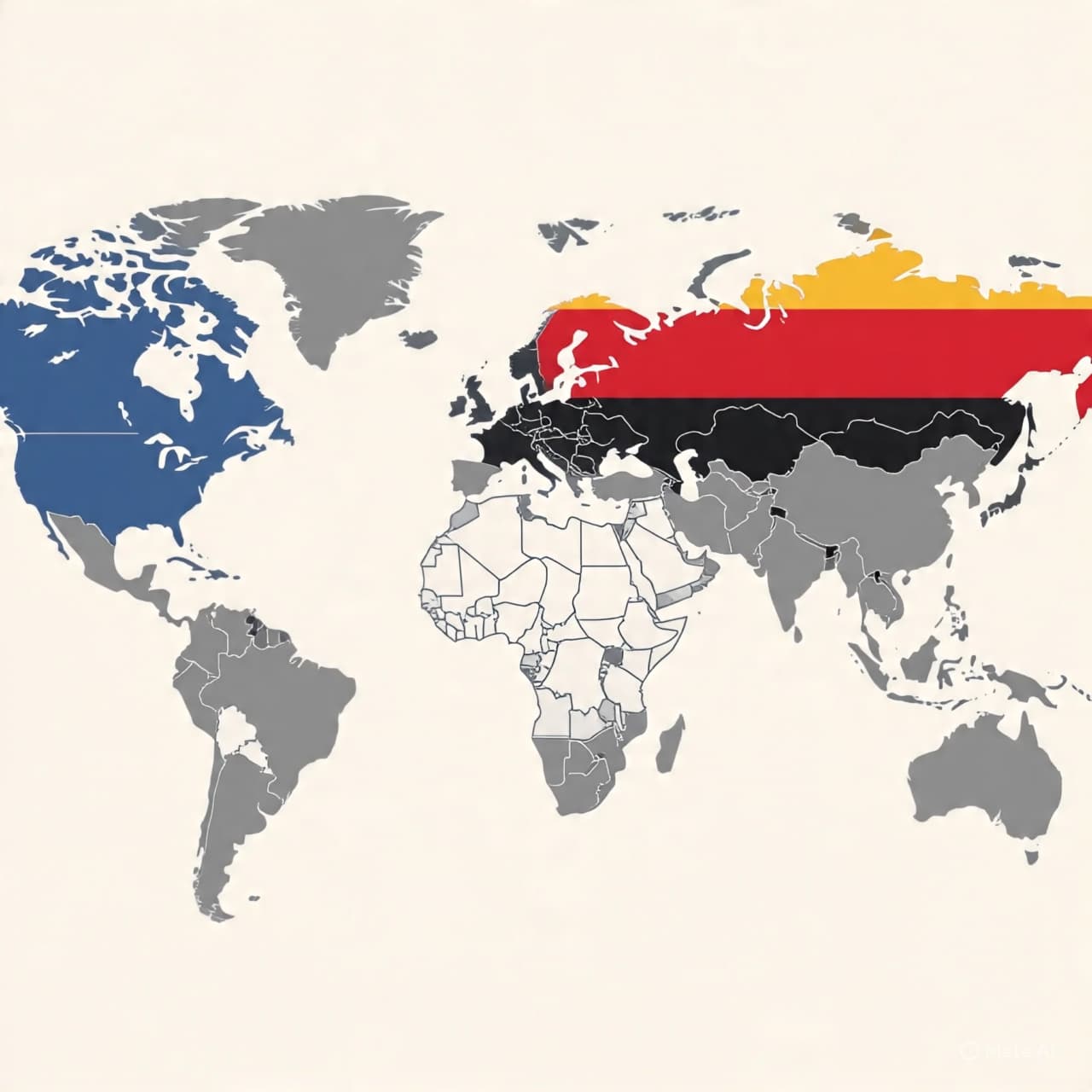
AI Image Disclaimer Illustrations were generated using AI tools and are intended as conceptual representations, not real photographs.
Sources Reuters Associated Press BBC News The Guardian Al Jazeera
Published by Banx Network. This article is part of the Banx decentralized media programme, powered by the BXE token on the XRP Ledger.
.jpg&w=3840&q=75 "Blake Lively Awarded $400,000 in Legal Fees After Justin Baldoni Lawsuit Dismissed")

