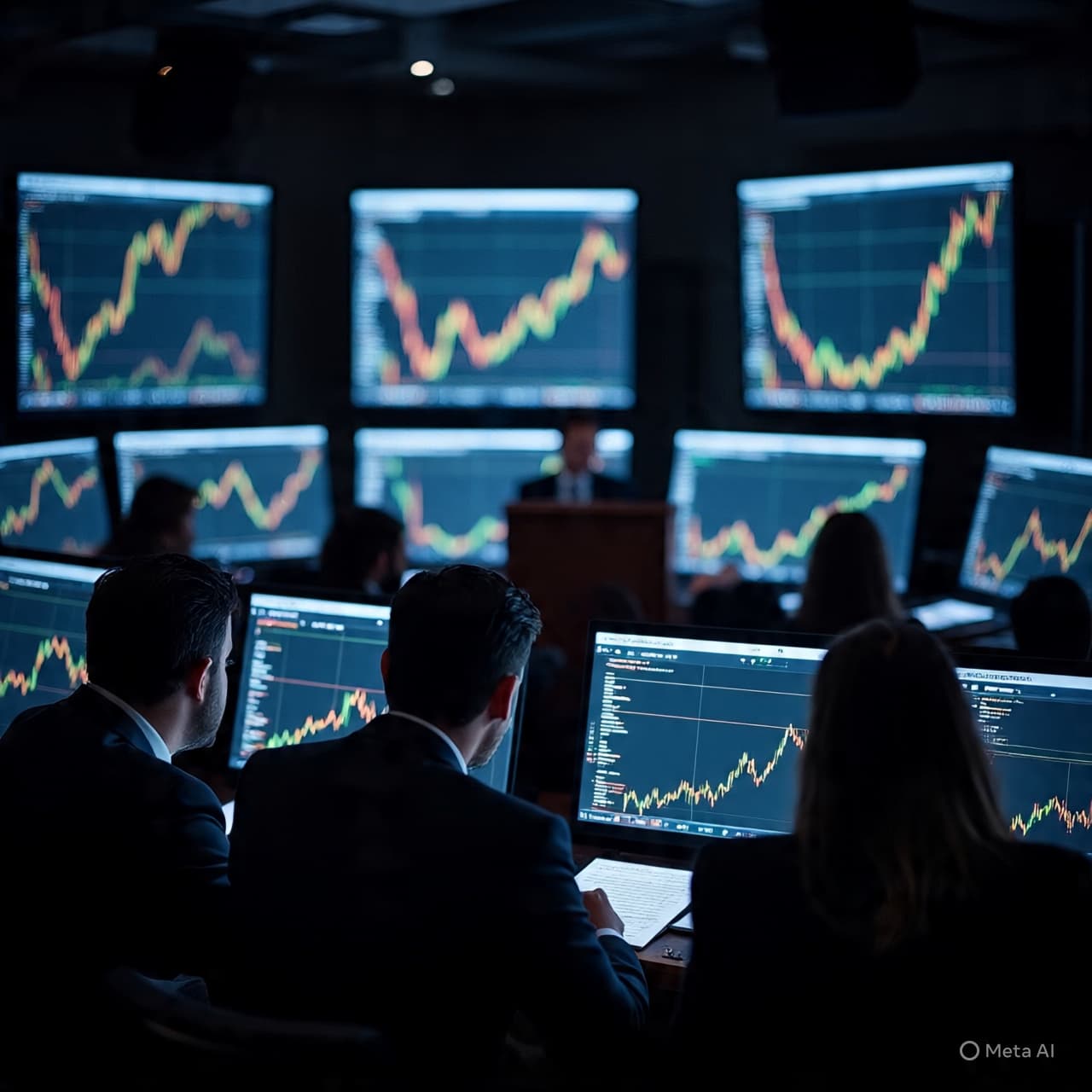
Financial markets often reflect emotion as much as they reflect data, like mirrors that reveal not only the present state of the economy but also the collective concerns of investors. In recent days, that reflective surface has shown hints of unease as global equities and oil prices dance in a rhythm shaped by the escalating conflict involving Iran. The movements are neither sudden nor overwhelming, but they carry a thoughtful cadence of caution as traders weigh what lies ahead.
Stock markets, after initial losses and occasional rebounds, have found themselves in a state of volatility — up one day, down the next — as investors digest the implications of a conflict that shows little sign of abating. In Europe, indexes dipped to multi‑week lows, pulled down by widening tensions and a growing sense that the situation may persist longer than hoped. In Asia, major benchmarks such as India’s Nifty 50 and Sensex extended declines, reflecting concerns about inflationary pressures sparked by rising energy costs.
Oil, conversely, has often moved in the opposite direction, climbing amid fears that disruptions to Middle Eastern supply — particularly around the Strait of Hormuz, a vital artery for global crude shipments — could tighten global markets. Brent crude and U.S. West Texas Intermediate have approached multi‑month highs, as traders price in a geopolitical premium into energy contracts.
The interplay between equities and commodities is not new, but it becomes more pronounced when geopolitical shocks loom. Longer‑lasting conflict could raise production costs, feed into higher inflation, and even postpone central bank actions on interest rates. These ripple effects contribute to market volatility, as investors adjust portfolios between risk assets and perceived safe havens such as cash or gold.
Yet there have also been moments of calm. U.S. futures and other major indexes occasionally rebounded on reports of potential diplomacy or assurances about energy flows — a reminder that markets respond not only to fear but to glimpses of hope.
Over this unfolding chapter, the connection between oil and equities has been visible. When oil prices climb, sectors sensitive to energy costs — transportation, manufacturing, and consumer goods — tend to feel the pressure. At the same time, energy producers may benefit from higher revenues, creating a nuanced landscape wherein different corners of the market tell different parts of the story.
For everyday investors and observers, this volatility serves as a reminder of how global events, even those far removed from local economies, can influence financial conditions around the world. The market’s current mood reflects neither panic nor exuberance, but a measured response to uncertainty — a quiet acknowledgment that the duration of conflict matters as much as its beginnings.
As oil prices remain elevated and the conflict persists, markets will likely continue to adjust in response to each new development. Investors are watching not only current data but the evolving narrative, one that balances geopolitical risk against economic fundamentals.
In the end, the present volatility in stocks and oil prices is rooted less in dramatic daily swings than in the careful weighing of possibilities — an ongoing evaluation of how long uncertainty may last, and what that could mean for economies large and small.
AI Image Disclaimer Visuals are created with AI tools and are not real photographs.
Sources Reuters Bloomberg Financial Times CNBC Associated Press (AP)
Published by Banx Network. This article is part of the Banx decentralized media programme, powered by the BXE token on the XRP Ledger.

.jpg&w=3840&q=75 "India Says First Phase of U.S. Trade Deal Is Nearly Done, Seeks Edge Over Rivals")