Energy has always been closely connected with Iran’s landscape and economy. From vast natural resources to emerging technologies, the country’s energy story continues developing through changing global conditions.
Traditional energy sources have played a major role for decades. However, environmental concerns and evolving global demands have encouraged attention toward alternative approaches.
Renewable energy, efficiency improvements, and modern infrastructure are becoming part of wider discussions about the future.
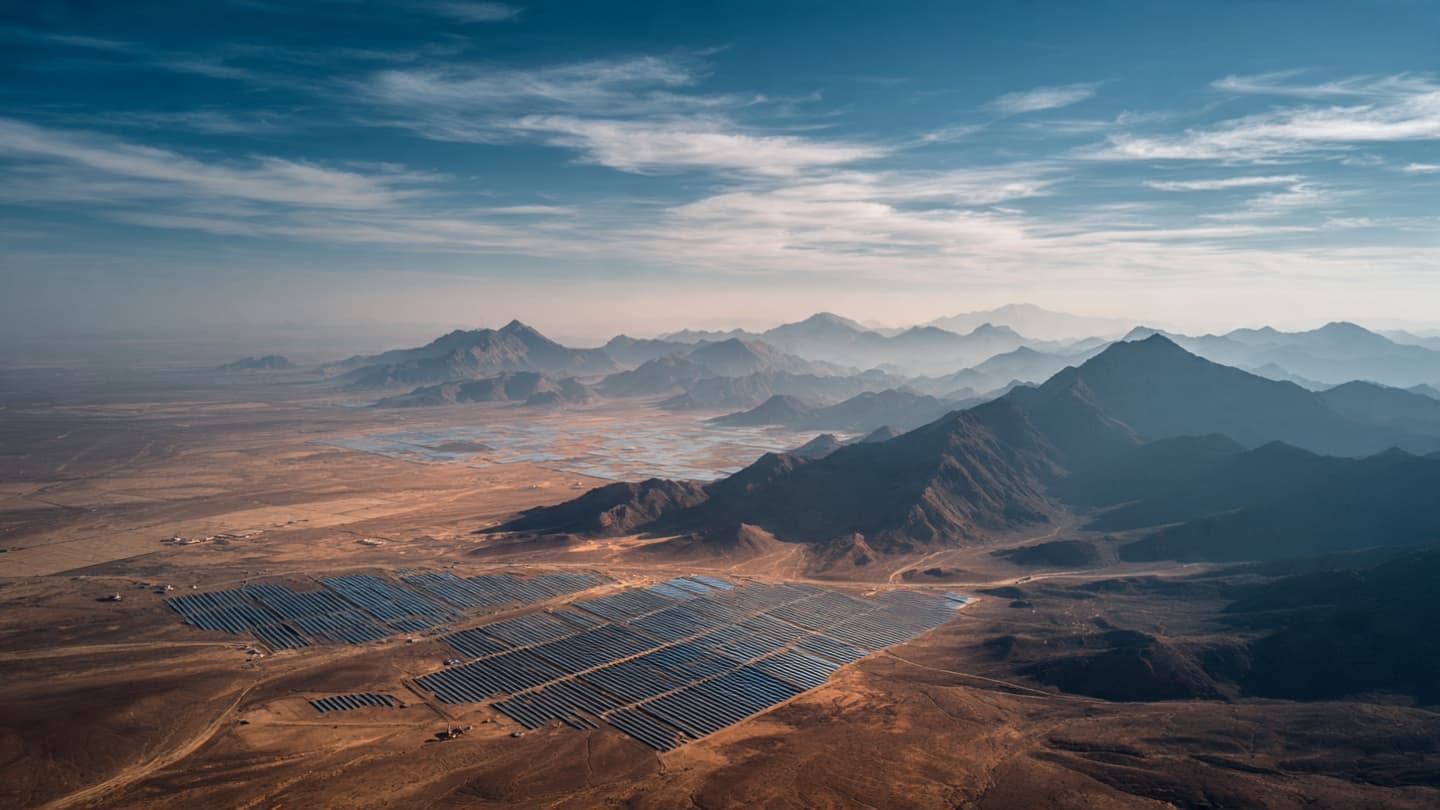
Iran’s geography offers opportunities for solar and other renewable resources. Researchers continue examining how these possibilities can contribute to future energy systems.
Environmental considerations have also become increasingly connected with energy planning. The relationship between resources and sustainability remains an important global discussion.
Technology plays a growing role in understanding and managing energy systems. Data, research, and innovation help shape future strategies.
Many countries are facing similar questions about balancing economic needs with environmental responsibilities.
Iran’s energy transition is a gradual process influenced by science, investment, and changing international conditions.
The future of energy will likely depend on how nations combine natural resources with innovation.
As Iran continues exploring new directions, its energy landscape remains part of a larger global movement toward adaptation and sustainability.
AI Image Disclaimer The visuals are AI-generated conceptual representations created for illustration purposes only.
Sources
International Energy Agency International Renewable Energy Agency World Bank United Nations Environment Programme
Published by Banx Network. This article is part of the Banx decentralized media programme, powered by the BXE token on the XRP Ledger.