There is a quiet distance between using technology and building it. A person may open an artificial-intelligence application with a few taps, yet behind that simple moment lies a chain of electricity, computing infrastructure, semiconductor technology, skilled people and software. Indonesia is increasingly looking toward that deeper landscape.
Indonesia's Ministry of Communication and Digital Affairs has outlined a strategy aimed at moving the country from an AI user toward a stronger participant in the global AI ecosystem. The approach covers five layers: energy, infrastructure, chips, talent and applications.
The emphasis is important because artificial intelligence does not exist only inside software. Powerful models require large amounts of computing capacity, while data centers need reliable electricity and high-speed networks. Behind every digital service is therefore a physical infrastructure that must continue to grow alongside demand.
Indonesia's current focus is particularly directed toward the application layer, according to Deputy Minister of Communication and Digital Affairs Nezar Patria. The broader strategy, however, recognizes that applications depend on deeper foundations that include computing infrastructure and energy.
That infrastructure is already beginning to expand. CoreWeave has announced plans for three data centers in Indonesia, with a combined 360 megawatts of contracted IT power and expected operations in 2028. The project represents the company's first physical data-center presence in the Asia-Pacific region.
The arrival of large-scale computing facilities adds another dimension to Indonesia's digital economy. Data centers can provide local computing resources for companies, researchers and other organizations that need powerful systems to develop and operate AI applications.
Yet computing capacity is only one part of the picture. Advanced AI also depends on semiconductor technology, technical expertise and people capable of developing, maintaining and applying these systems. The ministry's five-layer framework places these elements alongside energy and infrastructure rather than treating AI as a purely software-driven field.
Talent may become especially important as adoption widens. AI systems can be purchased from global providers, but organizations still need people who understand how to integrate them into businesses, research institutions and public services.
The strategy is unfolding while AI adoption continues to spread across Indonesian industries. Businesses are exploring automated workflows, data analysis and generative tools, while technology companies are investing in the infrastructure needed to support a larger digital economy.
Indonesia's position in Southeast Asia also gives the development a regional dimension. A country with a large population and growing digital economy can become both a major consumer of AI services and a potential location for infrastructure, talent and technology development.
The challenge is that these layers must develop together. More applications create demand for infrastructure, infrastructure requires energy, advanced systems require skilled people, and future technology development depends on access to increasingly sophisticated computing and semiconductor resources.
For now, Indonesia's five-layer strategy represents an attempt to look beyond the visible surface of artificial intelligence. The applications people see are only the uppermost layer; underneath them lies a much larger technological landscape that the country is beginning to build.
Image Disclaimer
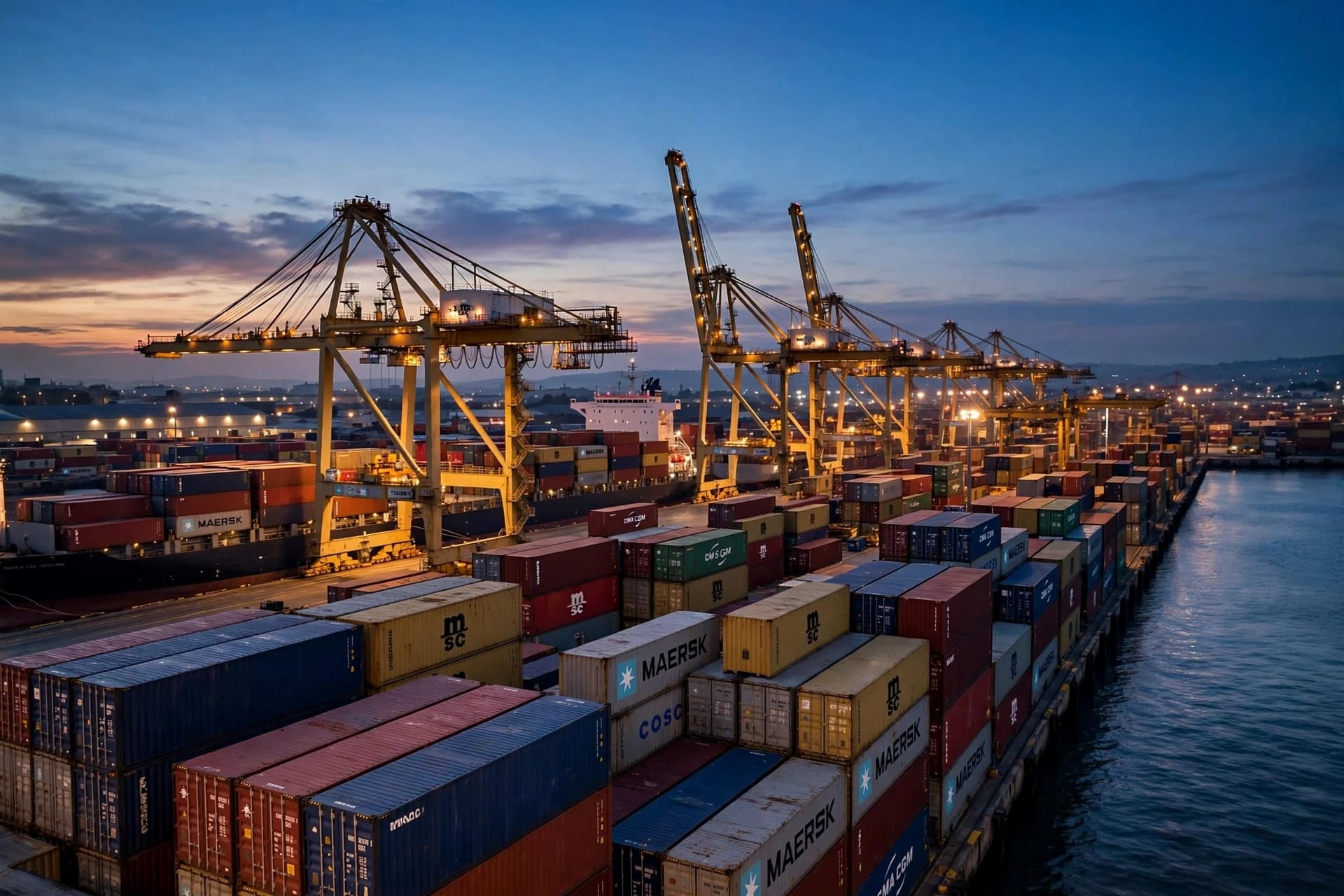
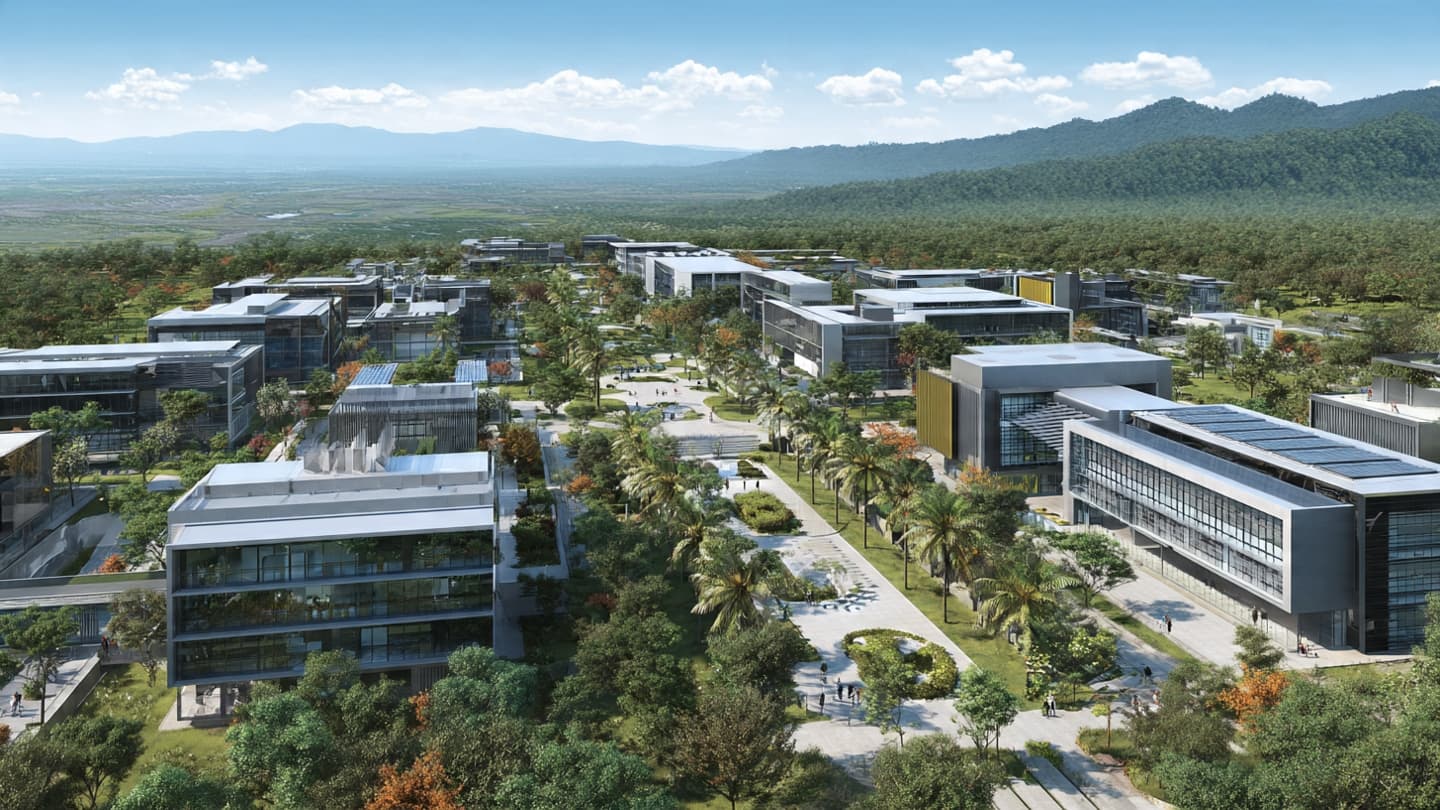
The illustrations are AI-generated conceptual representations of Indonesia’s developing artificial-intelligence ecosystem and are not photographs of actual facilities.
Sources
ANTARA Ministry of Communication and Digital Affairs of Indonesia CoreWeave Reuters Google
Published by Banx Network. This article is part of the Banx decentralized media programme, powered by the BXE token on the XRP Ledger.