Along Thailand's automotive corridors, the familiar sound of engines is gradually being joined by something quieter. Electric motors, battery systems, software, and new production technologies are changing the character of an industry that has been central to the country's manufacturing economy for decades.
Mitsubishi Motors plans to invest 16 billion baht, approximately $473 million, in Thailand through 2030 as part of its transition toward cleaner automotive technology. The investment is expected to focus on electric-vehicle technology and related production capabilities.
The company is also studying the production and export of pickup trucks in Thailand, including an electric version of its Pajero Sport utility vehicle. The plans would further connect Thailand's established role as an automotive production base with the changing global demand for electrified vehicles.
Thailand has long been one of Southeast Asia's major automotive manufacturing centers. Large international manufacturers have established production facilities there, creating a network of suppliers and skilled workers that stretches well beyond individual factories.
Electric vehicles are changing the requirements of that network. Batteries, electric motors, power electronics, software, and charging systems become increasingly important, while some traditional engine and transmission components become less central to production.
For Thailand, the transition represents both a challenge and an opportunity. Existing manufacturing infrastructure provides a foundation, but companies and suppliers must adapt to new technologies if they want to remain connected to the next generation of vehicle production.
Mitsubishi's planned investment therefore carries significance beyond the value of the capital itself. It suggests that Thailand remains part of the company's longer-term manufacturing strategy as automotive technology changes and regional demand for electric vehicles develops.
The focus on pickup trucks is particularly relevant to Thailand's automotive landscape. Pickup vehicles occupy an important place in the country's domestic and regional markets, and electrifying that segment could require changes across manufacturing, supply chains, charging infrastructure, and consumer expectations.
The investment also comes as Thailand seeks to deepen its role in electric-vehicle manufacturing. Competition across Southeast Asia has intensified as Japanese, Chinese, European, and other automakers consider where to produce the next generation of vehicles.
For workers and suppliers, the transition will unfold gradually. Factories will continue producing vehicles with existing technologies while new systems are introduced, creating a period in which conventional and electric manufacturing operate alongside each other.
By 2030, Mitsubishi's planned 16 billion baht investment could therefore form part of a broader transformation in Thailand's automotive industry. The country remains a major production base, but the technology moving through its factories is changing, bringing electric vehicles, new components, and cleaner mobility closer to the center of its industrial future.
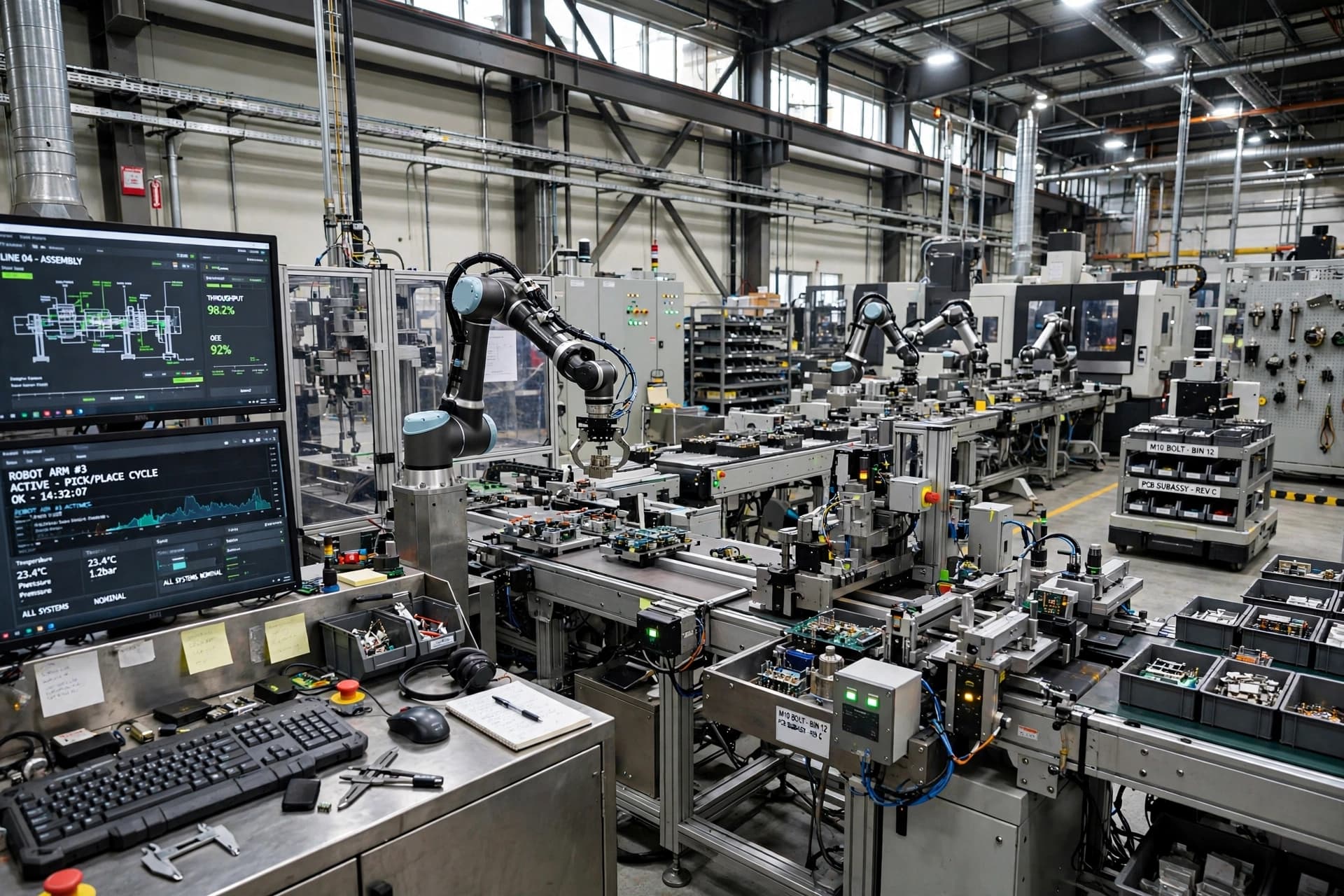
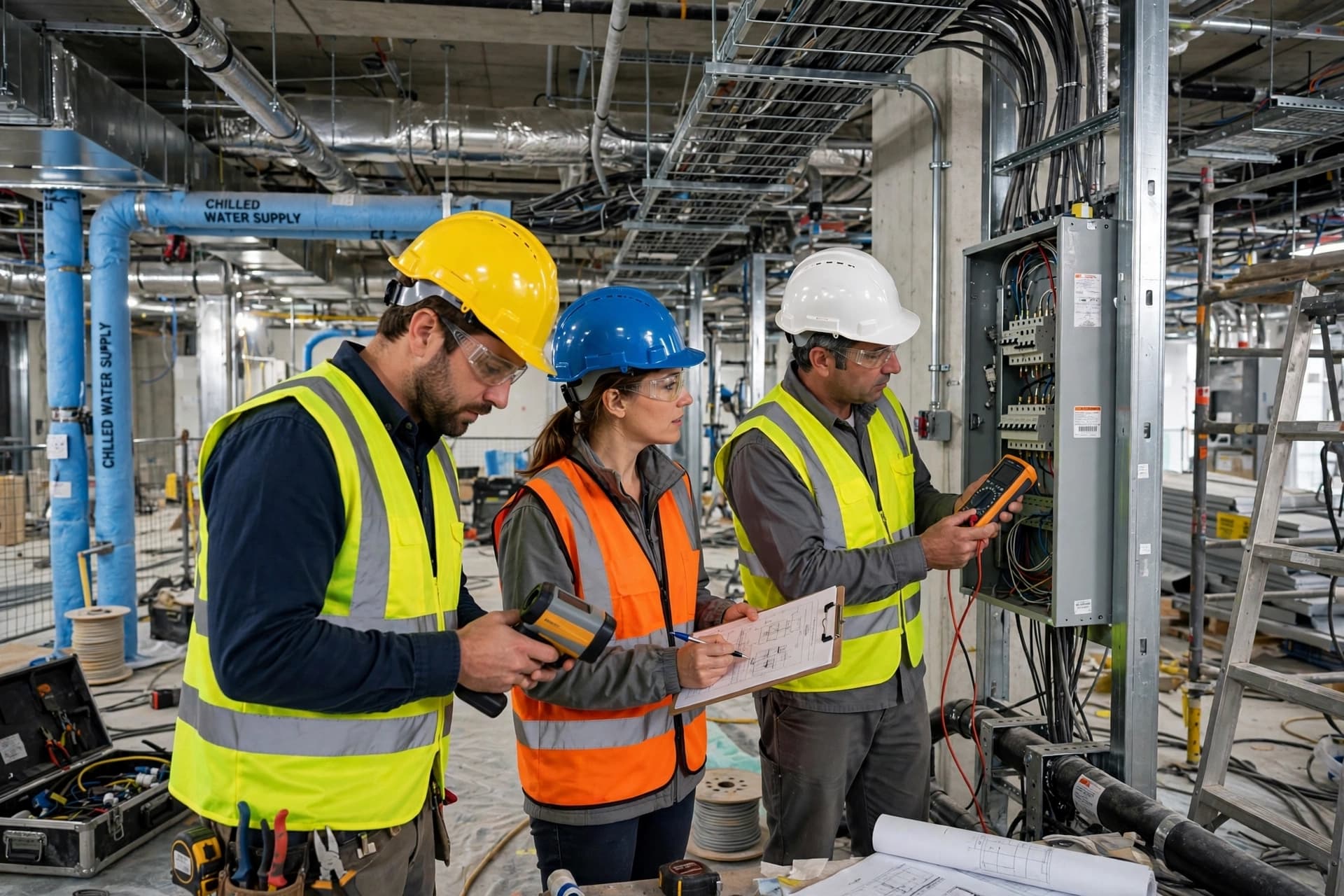
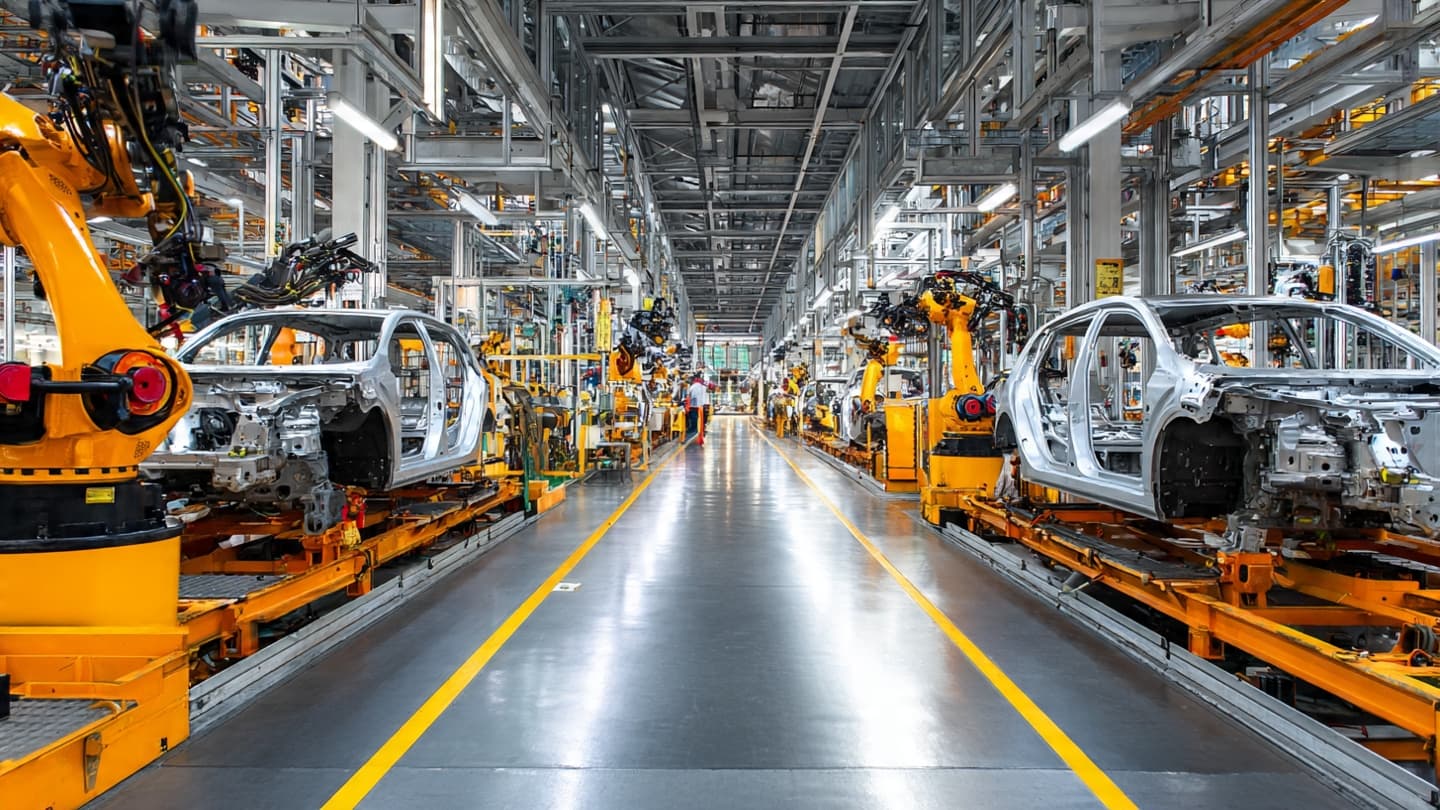
AI Image Disclaimer The visuals accompanying this article are AI-generated conceptual illustrations and are not photographs of actual Mitsubishi facilities or vehicles.
Sources Reuters Mitsubishi Motors The Nation Thailand
Published by Banx Network. This article is part of the Banx decentralized media programme, powered by the BXE token on the XRP Ledger.