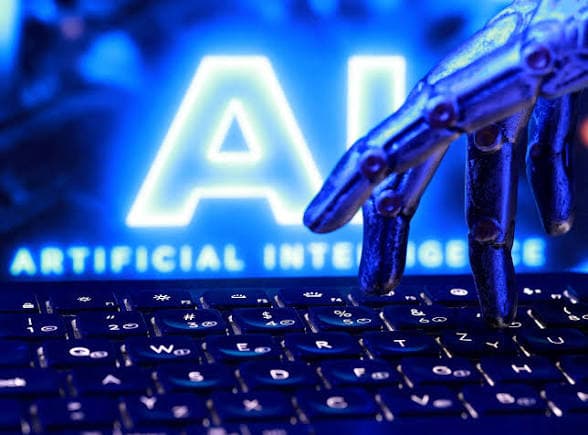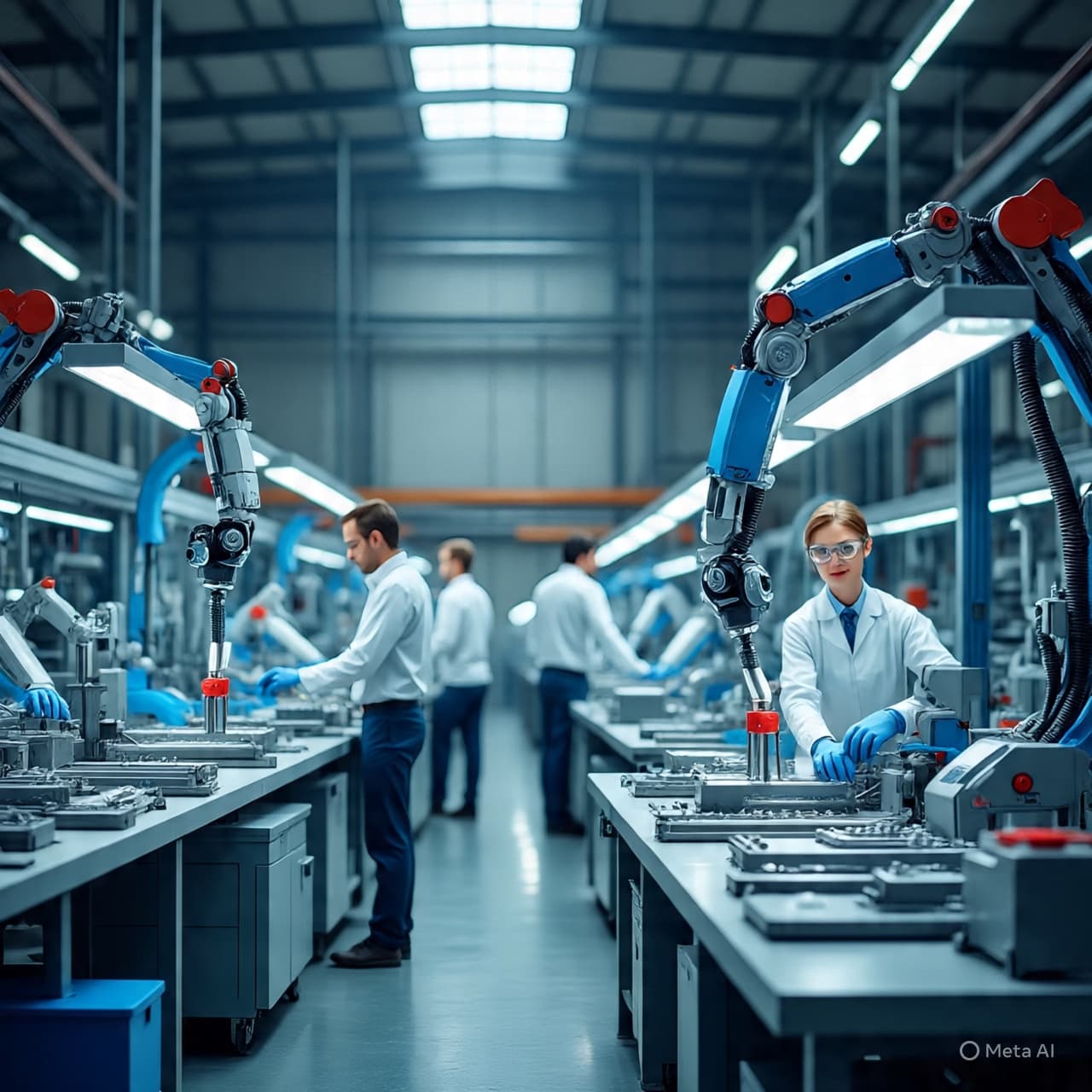
In the quiet hours before a city fully wakes, machines are already at work. They sort, predict, recommend, and calculate with a tirelessness that feels almost poetic in its precision. For centuries, tools have extended human hands; now, something more abstract seems to be reaching toward the human mind itself. This moment does not arrive with a single loud disruption, but rather with a soft accumulation of small efficiencies that gently reshape daily life.
Artificial intelligence, at its best, resembles a mirror held up to human intention. It reflects our priorities, our shortcuts, and our ambitions back to us, often faster than we expect. When used as an instrument to support human judgment, it can lighten burdens that once consumed hours and attention. Doctors spend less time on paperwork, researchers sift through data with new clarity, and writers find assistance in organizing sprawling ideas. In these spaces, AI does not stand in for human effort but leans quietly beside it.
Yet the unease surrounding AI emerges when the mirror begins to feel like a replacement. Work, after all, is more than output; it is identity, dignity, and participation in a shared economy. When automation is framed solely as a cost-saving device, human workers risk becoming an afterthought rather than the central purpose of innovation. Efficiency, while valuable, can become hollow if it erodes the social fabric that work helps sustain.
Heather Stewart’s warning echoes through this debate with a measured clarity: AI must augment rather than replace us, or the consequences for workers will be profound. Her argument does not reject technology, nor does it romanticize outdated systems. Instead, it calls for intention — a reminder that tools inherit the values of those who deploy them. Augmentation suggests partnership, where machines handle repetition and scale, while humans retain judgment, creativity, and responsibility.
Economic history offers familiar lessons. Each technological leap has promised liberation from drudgery, and often delivered it unevenly. Without thoughtful policy, gains concentrate, and displacement spreads quietly. Training, worker protections, and shared productivity gains are not obstacles to innovation; they are the conditions that allow it to endure. When people feel carried along rather than left behind, progress gains legitimacy.
The current wave of AI development sits at such a crossroads. Companies decide whether systems are designed to assist employees or to eliminate roles. Governments decide whether regulation merely reacts or gently guides. Societies decide whether speed alone defines success, or whether resilience and fairness also deserve a seat at the table.
As AI continues to settle into offices, factories, and creative spaces, its presence need not signal an ending. It can mark a transition toward work that is more human precisely because machines take on what humans should not have to carry alone. The future of labor, shaped carefully, may still leave room for purpose, skill, and meaning — if augmentation remains the guiding principle rather than an afterthought.
AI Image Disclaimer (rotated wording) Illustrations were produced with AI and serve as conceptual depictions rather than real-world images.
Relevant media sources (names only):
The Guardian Financial Times The New York Times The Atlantic MIT Technology Review
Published by Banx Network. This article is part of the Banx decentralized media programme, powered by the BXE token on the XRP Ledger.