
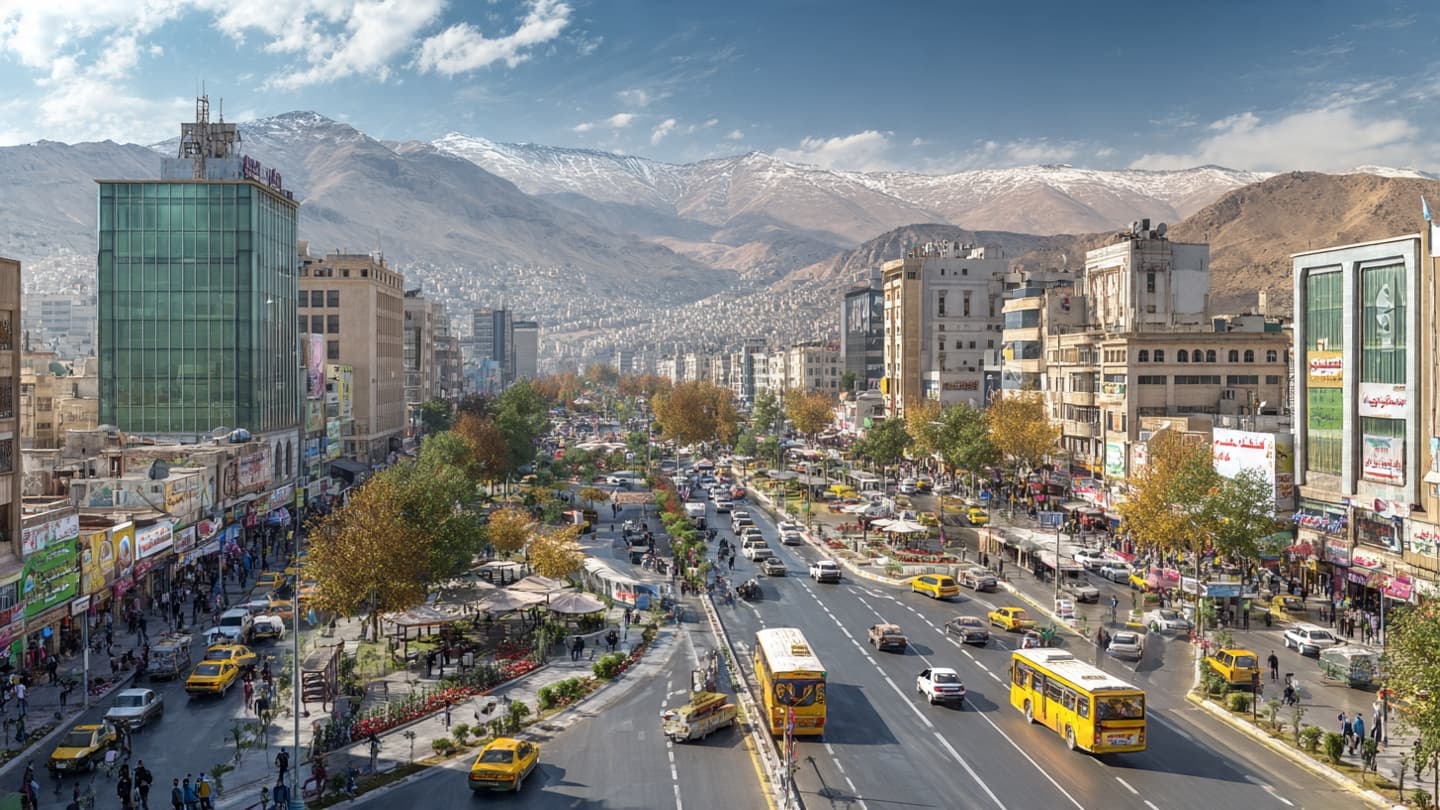
Economic conditions are often shaped by forces that move beyond national borders. For Iran, the relationship between domestic economic realities and regional developments creates a landscape where businesses, communities, and policymakers must constantly adapt.
The Iranian economy has experienced various pressures over recent years, including changes in trade conditions, investment patterns, and international economic relationships. These factors influence everyday economic activity and long-term planning.
Domestic challenges can appear in many forms, from maintaining industrial growth to managing inflation and ensuring stable access to essential goods. Each element contributes to the broader picture of economic resilience.
Businesses operating in Iran continue navigating an environment where external developments can influence internal markets. Companies often focus on efficiency, resource management, and adapting strategies to changing circumstances.
Energy remains one of the most important parts of Iran’s economic structure. As a major energy producer, developments affecting trade relationships and regional markets can have wider implications for economic performance.
Economic uncertainty also affects consumer confidence. When markets experience pressure, households and businesses often become more cautious in spending and investment decisions.
Despite challenges, economies frequently demonstrate the ability to adjust. Local industries, entrepreneurs, and communities often develop new approaches to maintain activity during periods of uncertainty.
The relationship between domestic economic conditions and regional dynamics shows how connected modern economies have become. Events beyond national borders can influence industries, markets, and economic expectations.
Looking ahead, economic stability depends on many factors, including market conditions, trade relationships, and the ability of businesses to respond to change.
Iran’s economic journey reflects a broader global reality: nations must continuously balance internal priorities with external pressures in an increasingly interconnected world.
AI Image Disclaimer Visuals are AI-generated and serve as conceptual representations of economic conditions and environments.
Sources The Guardian Reuters International Monetary Fund (IMF) World Bank Financial Times
Published by Banx Network. This article is part of the Banx decentralized media programme, powered by the BXE token on the XRP Ledger.



