There is something quietly magnetic about spaceflight gear. Not because it promises escape, but because it carries the fingerprints of patience, engineering, and human hope. Long before a rocket leaves the pad, its symbols travel ahead of it—stitched into fabric, etched into metal, printed onto everyday objects that let the wider world touch the edges of an ambitious journey. Artemis II, NASA’s first crewed mission around the Moon in more than half a century, has inspired a small universe of gear here on Earth, each piece echoing the slow, deliberate return to deep space.
The appeal of Artemis II gear lies less in spectacle and more in intention. Mission patches, apparel, and collectibles are designed with restraint, reflecting a program that is careful not to rush its own mythology. Jackets and shirts often carry subdued color palettes, borrowing from lunar grays, midnight blues, and the soft whites of spacecraft hulls. Logos feel balanced rather than bold, as if aware that they represent a bridge between past Apollo triumphs and future lunar ambitions. Even casual items like caps or mugs seem to speak in a quieter voice, suggesting continuity rather than conquest.
Among the most sought-after pieces are mission patches and insignia replicas, which remain close to NASA’s internal visual language. These designs are layered with symbolism—crew unity, lunar trajectories, and the subtle geometry of orbits. Wearing or displaying them is less about fandom and more about recognition of collective effort. Apparel collections follow a similar path, favoring durability and simplicity over trend-driven design. Many items are produced in limited runs, reinforcing the idea that Artemis II is not a mass spectacle but a carefully staged chapter.
Accessories and desk items round out the collection, offering small, tactile reminders of the mission’s goals. Models of the Orion spacecraft, commemorative coins, and minimalist posters translate complex engineering into approachable forms. They do not demand attention; instead, they wait quietly on shelves or walls, inviting curiosity. In a culture often defined by immediacy, this gear reflects a slower rhythm—one aligned with orbital mechanics and long-term planning.
As Artemis II moves closer to flight, its gear serves a modest but meaningful role. It allows the public to participate without exaggeration, to feel connected without claiming ownership of the mission itself. These objects do not pretend to be artifacts of space, but they carry the story of preparation, collaboration, and cautious optimism. In that way, the best Artemis II gear is not about fashion or novelty. It is about presence—here on Earth, while the Moon waits patiently overhead.
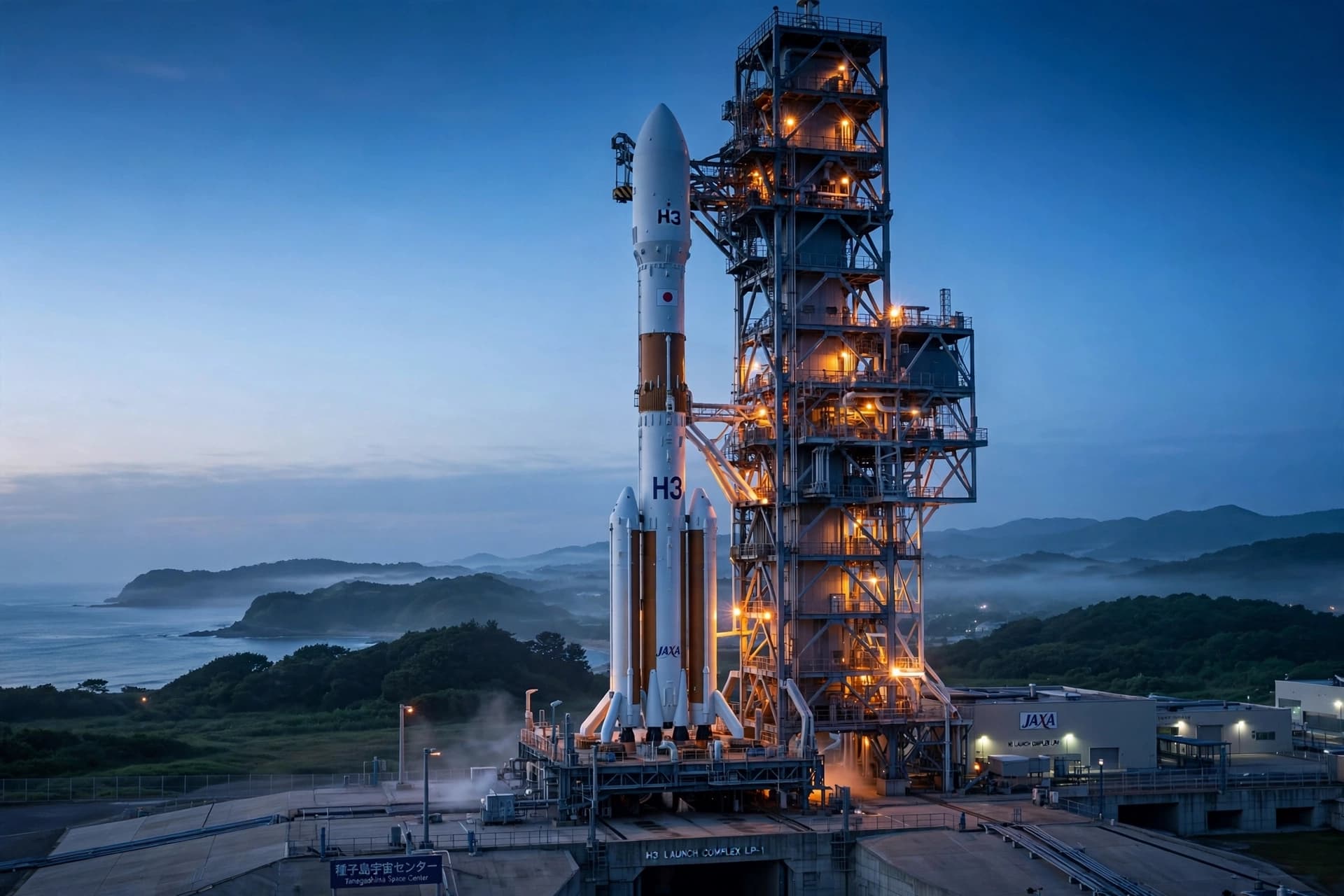
AI Image Disclaimer Illustrations were produced with AI and serve as conceptual depictions rather than real photographs.
Sources NASA Space.com Smithsonian Magazine National Geographic Ars Technica
Published by Banx Network. This article is part of the Banx decentralized media programme, powered by the BXE token on the XRP Ledger.