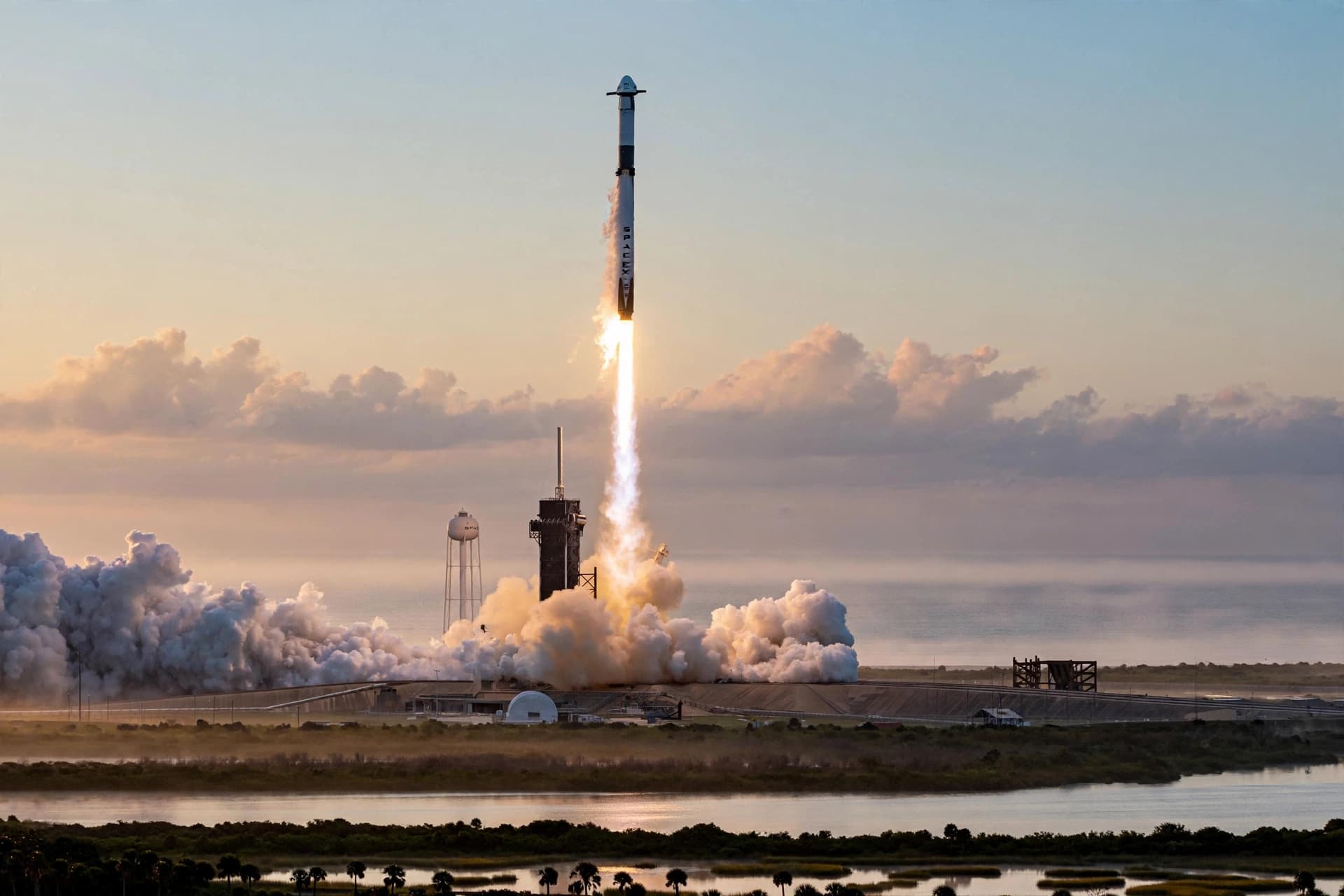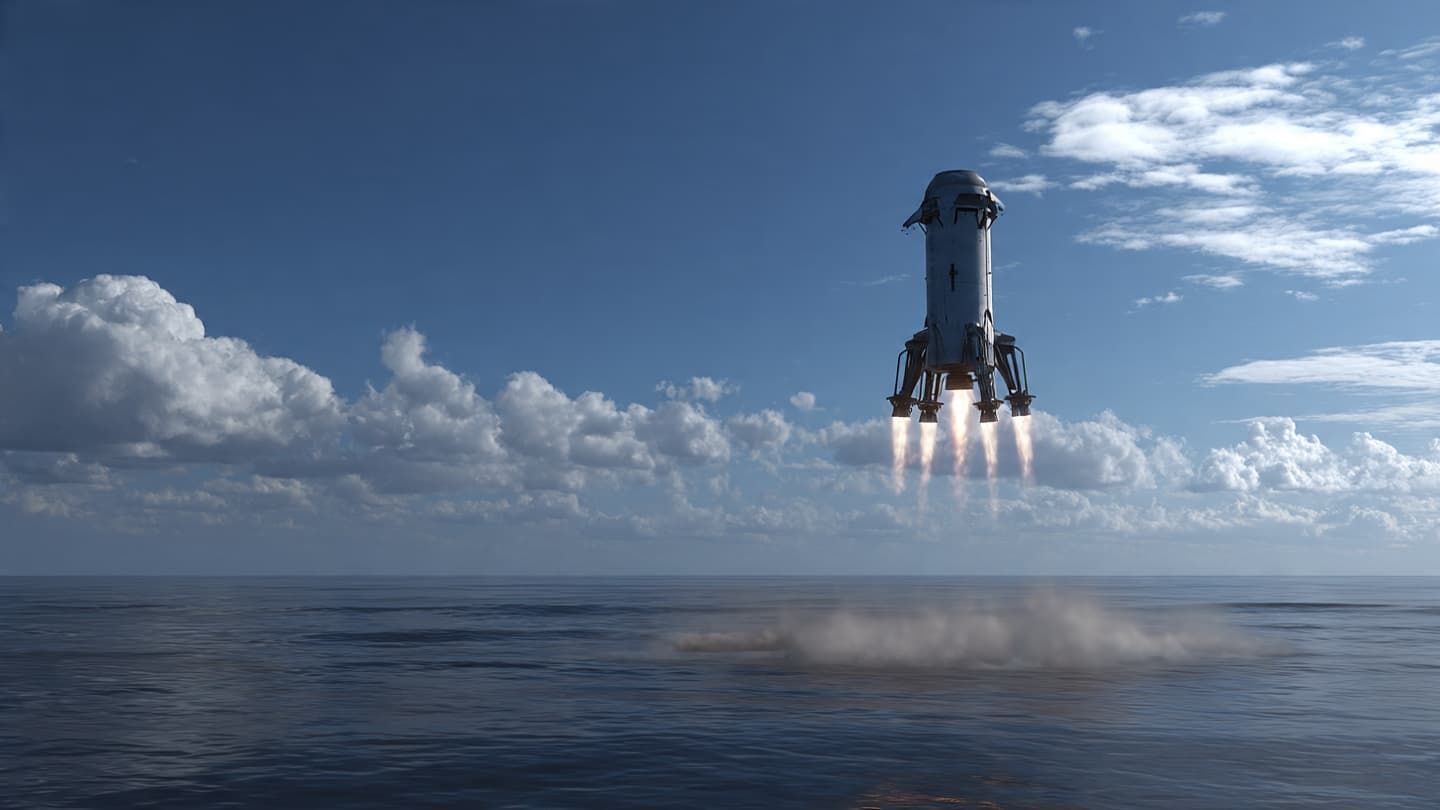
A rocket launch has always carried something theatrical: fire rising from a quiet landscape, disappearing into the sky before the sound arrives. But the future of spaceflight may depend on what happens afterward. Instead of allowing the most expensive part of a rocket to fall away forever, engineers are increasingly trying to bring it home.
Chinese startup LandSpace successfully recovered the first stage of its Zhuque-3 rocket, becoming the first Chinese private company to land an orbital-class booster, Reuters reported. The achievement places LandSpace alongside SpaceX and Blue Origin in the small group of private companies to have demonstrated this capability.
The significance lies in reusability. Traditional rockets are largely consumed during a launch, meaning a new vehicle must be produced for another mission. Recovering and flying a booster again could potentially reduce the cost of reaching orbit and allow launch companies to operate more frequently.
For engineers, however, landing a rocket is not simply a matter of slowing it down. A booster must survive the violent acceleration of launch, separate at the correct moment, navigate back toward Earth and control its descent through the atmosphere before making a precise landing.
That sequence requires sophisticated guidance systems, engines capable of being restarted and structures designed to withstand multiple flights. Every successful recovery therefore provides engineers with information that can be used to improve the next vehicle.
LandSpace's achievement comes as China's commercial space industry becomes increasingly active. Private companies are developing launch vehicles, satellites and other technologies that were once largely associated with state-run programs.
The development also changes the economics of the sector. If boosters can be reused reliably, companies may eventually be able to spread manufacturing and development costs across multiple missions. More frequent launches could then support expanding satellite networks and other commercial applications.
China's geography provides several important launch locations, including the Wenchang Space Launch Site on Hainan Island. Rocket launches there have also become a source of public interest, with Reuters reporting large crowds gathering to watch missions from nearby beaches.
The growing attention reflects a broader transformation in how people see space. Launches are no longer only national events. Commercial companies are increasingly becoming visible participants, creating a competitive environment in which engineering milestones can influence investment, partnerships and future missions.
LandSpace's successful recovery does not mean reusable launches have suddenly become routine. Repeated flights remain the harder test, because a vehicle must demonstrate reliability rather than simply achieve one successful landing.
Still, the first return matters. A rocket that leaves Earth and comes back in one piece offers a different vision of spaceflight—one built less around disposable hardware and more around repetition. For China's private space industry, that possibility has now moved another step closer to reality.
SEO-friendly Slug china-landspace-zhuque-3-reusable-rocket-booster-2026
Hashtags #China #Space #LandSpace #Zhuque3 #ReusableRocket #Science #Technology
Image Disclaimer The visuals are AI-generated conceptual representations and are not photographs of the actual LandSpace launch or recovery operation.
Sources Reuters
Published by Banx Network. This article is part of the Banx decentralized media programme, powered by the BXE token on the XRP Ledger.