Some of the most profound scientific discoveries arrive not through telescopes, but through small stones that fall quietly from the sky. Meteorites often carry within them the history of worlds that no longer exist.
Recent scientific analysis of a meteorite found in Africa suggests that its composition may originate from a protoplanet that formed during the early stages of the solar system. These ancient bodies were part of the chaotic environment in which planets were still forming.
Geochemical testing revealed unusual isotopic signatures that differ from typical asteroid material. These differences suggest that the meteorite originated from a differentiated parent body that experienced internal heating and geological evolution.
Such protoplanets are believed to have existed in large numbers billions of years ago before being broken apart through collisions and gravitational interactions. Their remnants now travel through space as meteorites.
Scientists study these samples using advanced laboratory techniques, including mass spectrometry and isotopic analysis, to reconstruct conditions present during the early solar system.
The findings provide valuable insight into how planetary bodies form, evolve, and sometimes disappear entirely. Each meteorite acts as a physical record of processes that shaped the planets we see today.
Further research is expected to confirm the meteorite’s origin and refine models of early planetary formation and differentiation.
The African meteorite serves as a small but powerful reminder that the solar system’s history is filled with worlds that existed briefly, leaving only fragments behind.
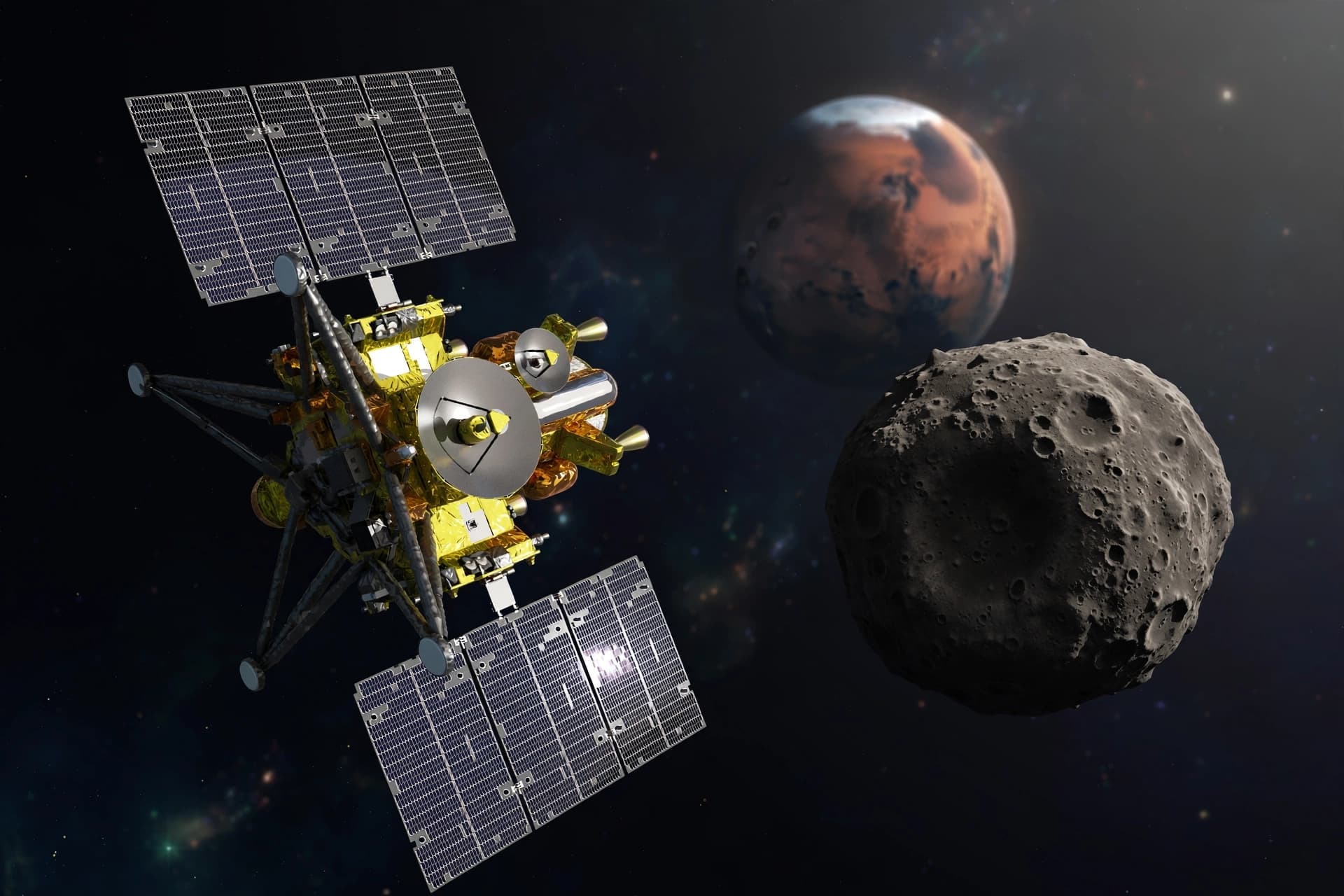
AI Image Disclaimer: All illustrations in this article are AI-generated for educational visualization purposes only.
Sources: NASA Planetary Science, Meteoritical Society, Nature Astronomy, Science Daily, Reuters Science Desk
Published by Banx Network. This article is part of the Banx decentralized media programme, powered by the BXE token on the XRP Ledger.