There are landscapes where water has always seemed permanent: rivers passing through fields, reservoirs reflecting the sky and village fountains flowing quietly through the summer. In parts of France this year, those familiar scenes have become less certain as prolonged heat and drought tighten their grip.
France is facing severe agricultural losses from extreme heat and soil drought, with the country's maize harvest expected to fall sharply this year. Reuters reported that French output could decline from around 9 million metric tons to below 7 million, potentially making it the country's weakest maize harvest since 1976.
The pressure has been especially strong in non-irrigated fields, where crops depend more directly on rainfall. Maize requires substantial water during its growing cycle, making prolonged dryness particularly damaging when temperatures remain elevated.
The consequences extend beyond individual farms. Maize is used for food, animal feed and other agricultural purposes, meaning a reduction in production can influence prices, livestock costs and the movement of agricultural commodities across European markets.
France's situation is also part of a broader European pattern. Reuters reported that European Union maize production could fall below 50 million metric tons, potentially making this year's harvest the weakest since the 1990s. Germany is also expected to see a decline, while Poland and Romania could partially offset losses elsewhere.
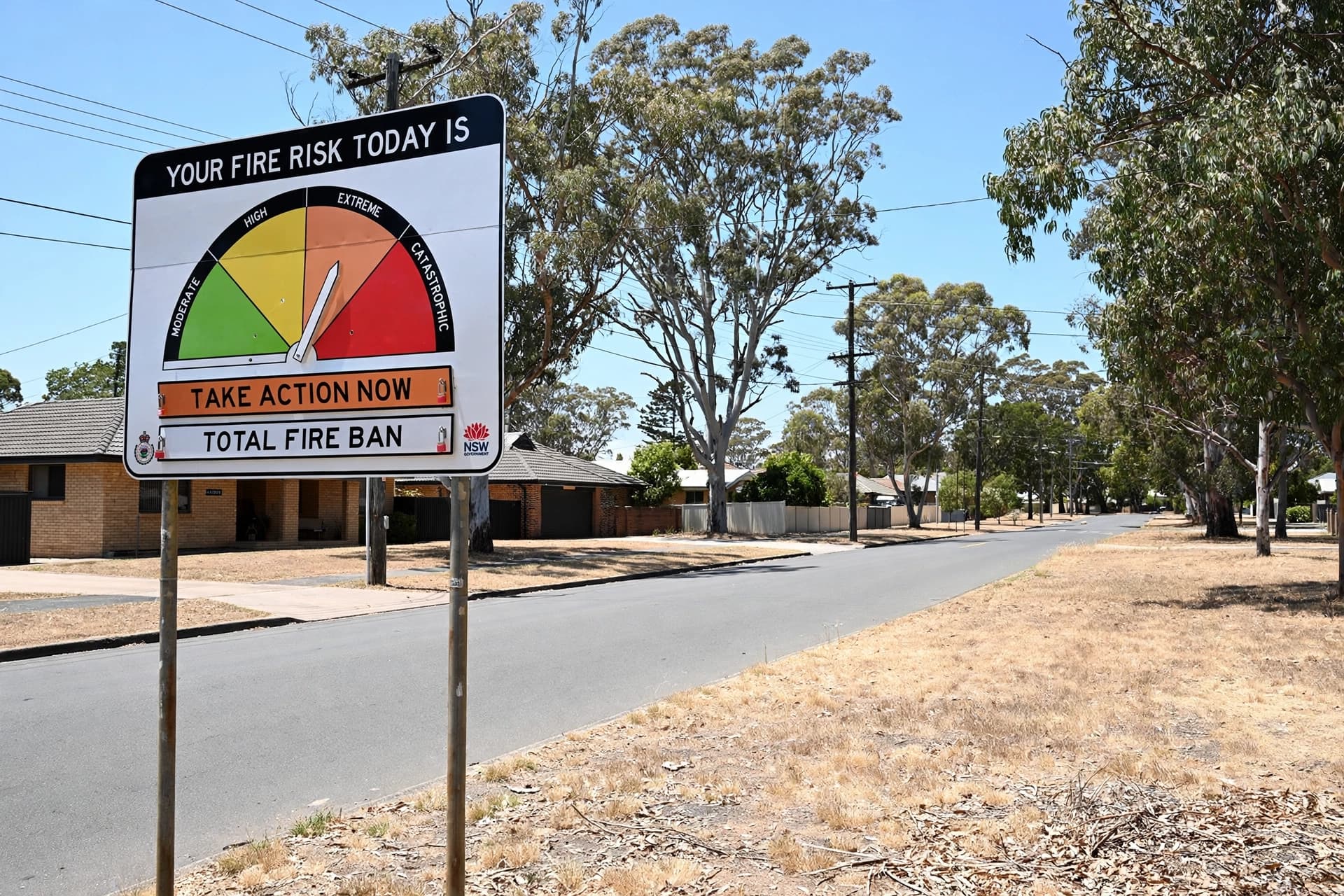
The landscape of water availability is changing at the same time. In some French communities, restrictions have been introduced as reservoirs, rivers and underground water resources face sustained pressure from low rainfall and high temperatures.
For farmers, water management becomes a daily calculation. Irrigation can protect crops, but water itself becomes more limited during drought, forcing producers and authorities to balance agricultural needs with drinking water, ecosystems and other uses.
The pressure is not confined to agriculture. Drought can influence electricity generation, transportation on rivers and industrial activity, particularly when water levels become too low or when high temperatures affect infrastructure.
France's electricity system has also experienced weather-related challenges this summer. Extreme heat has temporarily reduced nuclear generation because some reactors must limit output when river temperatures or discharge conditions reach regulatory thresholds.
The connection between water and energy is easy to overlook until the two systems become stressed at the same time. Rivers can serve as transport routes, agricultural resources and cooling sources for power generation, giving drought consequences that reach far beyond the fields.
Communities have responded through restrictions, monitoring and emergency measures where necessary. The aim is to preserve essential supplies while conditions remain difficult.
For agriculture, however, the longer-term question is adaptation. Farmers may consider different crop varieties, irrigation methods, planting schedules and soil-management techniques as weather patterns become less predictable.
The current season offers a stark measurement of that pressure. A harvest that once followed a familiar seasonal rhythm can now depend increasingly on rainfall that may arrive late, arrive heavily or not arrive at all.
France remains one of Europe's major agricultural producers, so changes in its harvest can influence markets well beyond national borders. The 2026 maize outlook is therefore being watched not only by farmers but also by traders, food producers and livestock operators.
For now, the immediate task is managing a difficult season. As temperatures remain high and soil moisture stays under pressure, French communities and farmers are continuing to adapt to a summer in which water has become one of the most closely watched resources.
Image Disclaimer
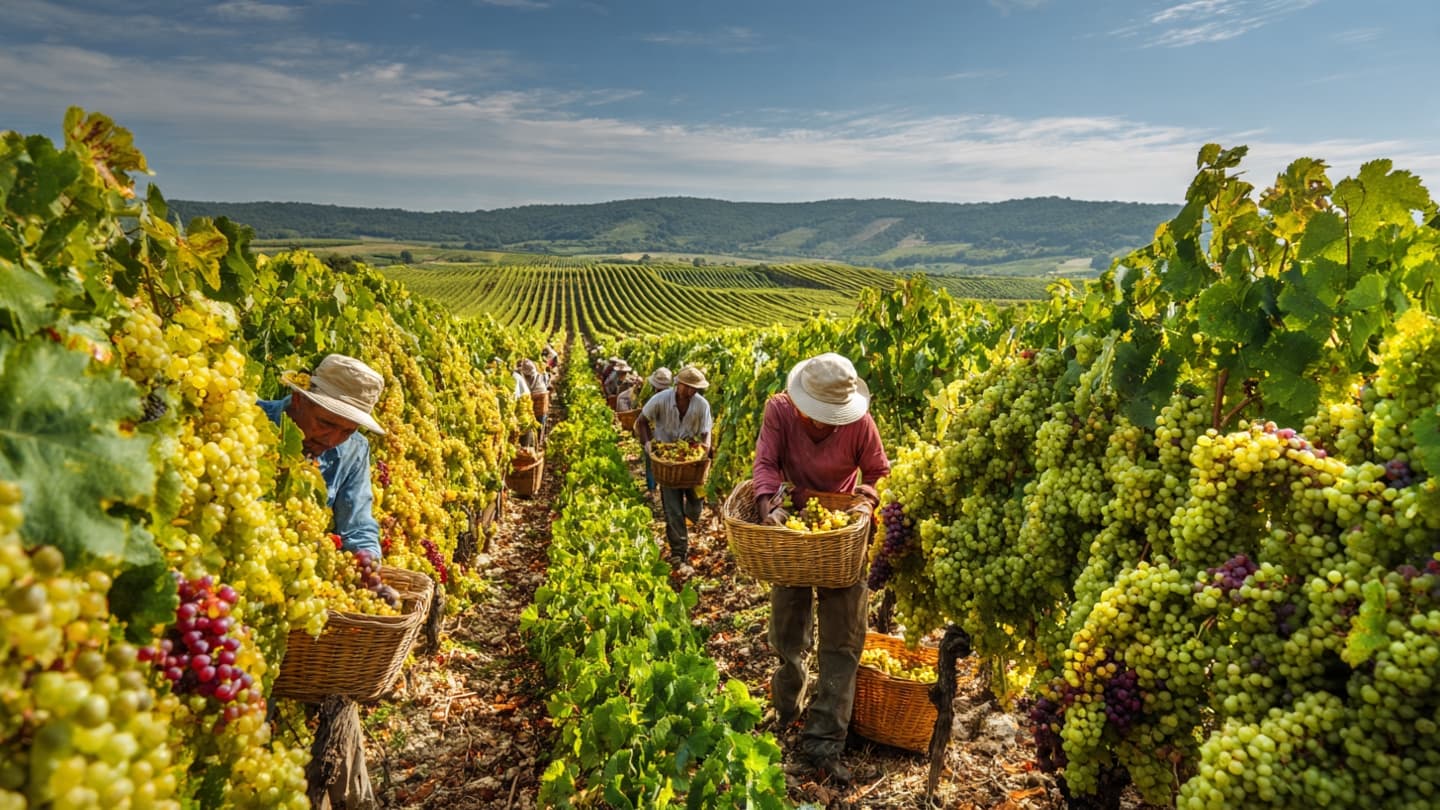
The accompanying visuals are AI-generated conceptual representations of drought conditions in France and are not documentary photographs.
Sources
Reuters European Commission French Ministry of Agriculture Météo-France European Environment Agency
Published by Banx Network. This article is part of the Banx decentralized media programme, powered by the BXE token on the XRP Ledger.