
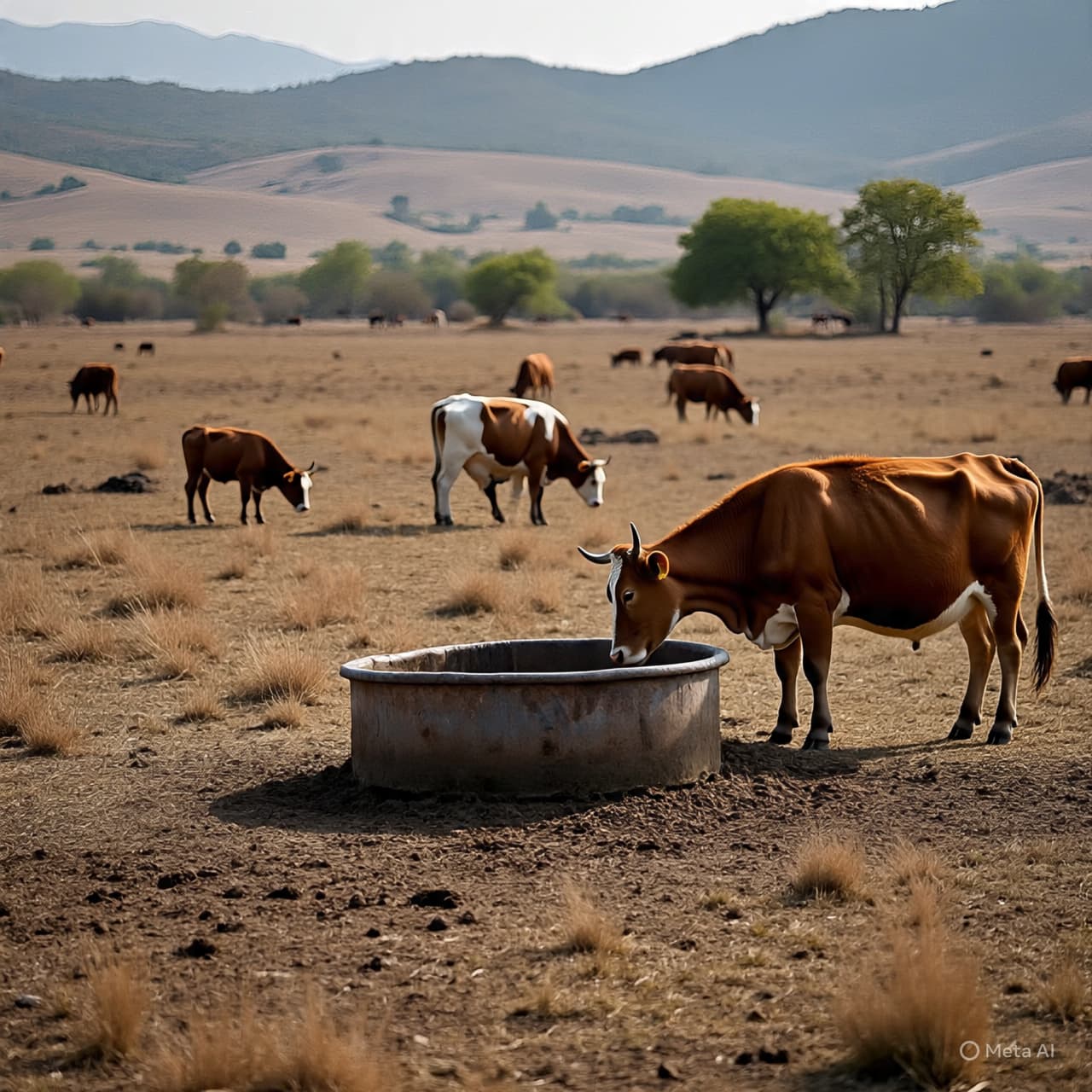
Key Highlights
- Recent cattle deaths linked to drought highlight agricultural challenges.
- Regulatory review concluded without formal investigation into the cattle company.
- Calls for transparency and improved water management practices are growing.
[Understanding the Drought Impact]
In vast agricultural landscapes, where horizons stretch uninterrupted, the balance between nature and management is often delicate. When that balance falters, the consequences can be both visible and deeply felt. Reports of cattle deaths linked to thirst have once again drawn attention to this fragile equilibrium, raising critical questions about responsibility and accountability in the face of environmental challenges.
The case involving a major cattle company has recently concluded without a formal investigation. Regulators, after reviewing reassurances and submitted evidence from the company, determined that further inquiry was not required. This decision reflects the complexities of agricultural management, where environmental conditions, operational practices, and regulatory frameworks intersect.
In regions prone to drought, water scarcity can escalate quickly, placing immense pressure on both livestock and those responsible for their care. The company involved stated that measures had been taken to address water supply issues and prevent recurrence. These assurances played a key role in the regulatory outcome, suggesting that corrective actions were considered sufficient by the authorities.
However, for many observers, the situation raises broader questions about how accountability should be assessed when environmental factors and human management intersect. What standards define an adequate response to such crises? Animal welfare organizations have emphasized the importance of transparency in these matters. While no investigation will proceed, calls remain for clearer reporting and ongoing monitoring to ensure that similar incidents are minimized in the future.
Agricultural experts note that extreme weather patterns are becoming more frequent, adding complexity to livestock management. This necessitates adaptive strategies that can respond to rapidly changing conditions. Water infrastructure, including troughs and delivery systems, becomes critical in such contexts. Failures, whether due to technical issues or logistical delays, can have significant impacts in remote areas where access to resources is limited.
Regulators operate within established guidelines, evaluating available evidence to determine whether legal thresholds for investigation are met. In this case, those thresholds were not reached, leading to the conclusion that no further action was warranted. However, the outcome does not close the conversation. Instead, it leaves space for continued reflection on how agriculture adapts to environmental stress and how responsibility is defined in moments when systems are tested.
As the agricultural sector faces increasing pressure from climate change and water scarcity, the need for robust management practices and accountability mechanisms becomes ever more critical. Stakeholders must engage in ongoing dialogue to ensure that the lessons learned from such incidents lead to improved practices and better outcomes for both livestock and the environment.
Published by Banx Network. This article is part of the Banx decentralized media programme, powered by the BXE token on the XRP Ledger.



