There is a quiet that arrives without warning, not with dusk or snowfall, but with the sudden absence of sound. In towns scattered across southern Ukraine’s Zaporizhzhia region, that quiet came when the hum of electricity fell away and lights faded in midwinter. The cold was already present, settled deep into walls and ground, but without power it grew heavier, less abstract, pressing itself into rooms and routines alike.
The darkness followed Ukrainian drone strikes that damaged energy infrastructure in areas controlled by Russian authorities and their allies. According to local officials, the attacks disrupted key transmission lines, leaving hundreds of thousands of residents without electricity. Nearly 400 towns and villages were affected, stretching across a landscape already shaped by distance, uncertainty, and the long mechanics of occupation. For many households, the outage arrived not as a shock but as another adjustment in a war measured increasingly in interruptions.
Electricity, in this conflict, has become more than a utility. It is a rhythm, a marker of normalcy that flickers on and off as control lines shift. Power networks, once invisible, now sit exposed within the logic of warfare, where infrastructure carries both strategic value and human consequence. In winter, the loss of current alters more than comfort. Heating systems slow or stop, water pumps falter, communication thins, and ordinary tasks begin to require calculation rather than habit.
This blackout unfolded within a broader pattern that has defined much of the war. Energy systems on both sides have repeatedly come under attack, particularly during colder months, when damage resonates far beyond the point of impact. Ukrainian strikes on occupied territories aim to weaken logistical stability, while Russian attacks on Ukraine’s grid have sought to erode morale and strain civilian life. In both cases, the result is a landscape where electricity itself becomes contested ground.
Restoration is rarely immediate. Repair crews work amid security risks and harsh weather, navigating damaged substations and downed lines under conditions that slow every movement. Freezing temperatures complicate repairs, turning technical work into endurance. Officials have said restoration efforts are underway, though timelines remain uncertain as fighting continues and access to damaged areas remains limited.
For residents, the outage reshapes daily life in quieter ways. Meals are simplified, evenings shortened, and nights lengthened by darkness. Generators, where available, are rationed for essentials. In places already accustomed to adaptation, the loss of power adds another layer to an existence shaped by caution and waiting.
In plain terms, Ukrainian drone strikes damaged energy infrastructure in Russian-controlled parts of Ukraine’s Zaporizhzhia region, leaving hundreds of thousands of people without electricity during winter. Repairs are ongoing as authorities assess damage across nearly 400 affected settlements.
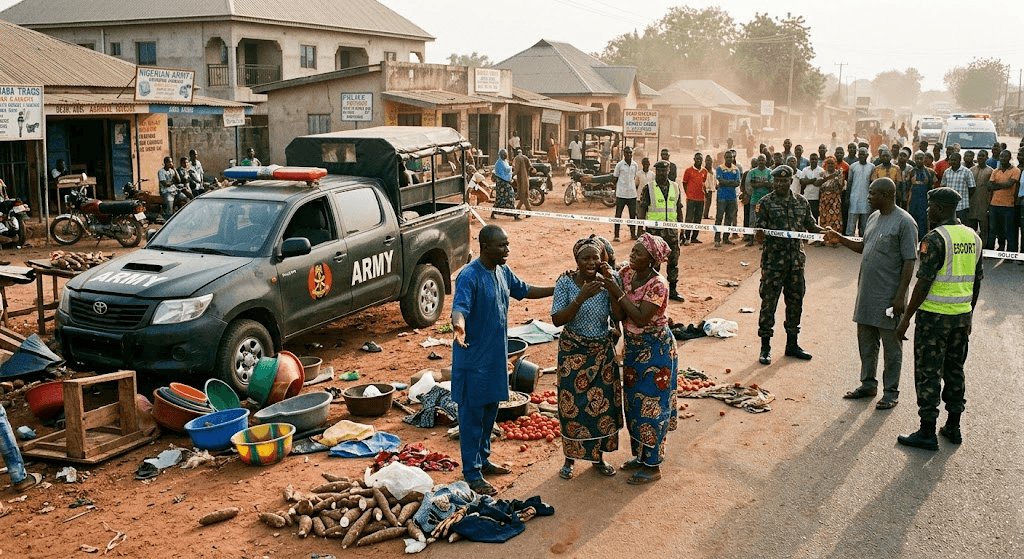
AI Image Disclaimer Illustrations were created using AI tools and are not real photographs.
Sources (Media Names Only) Associated Press Reuters The Guardian
Published by Banx Network. This article is part of the Banx decentralized media programme, powered by the BXE token on the XRP Ledger.