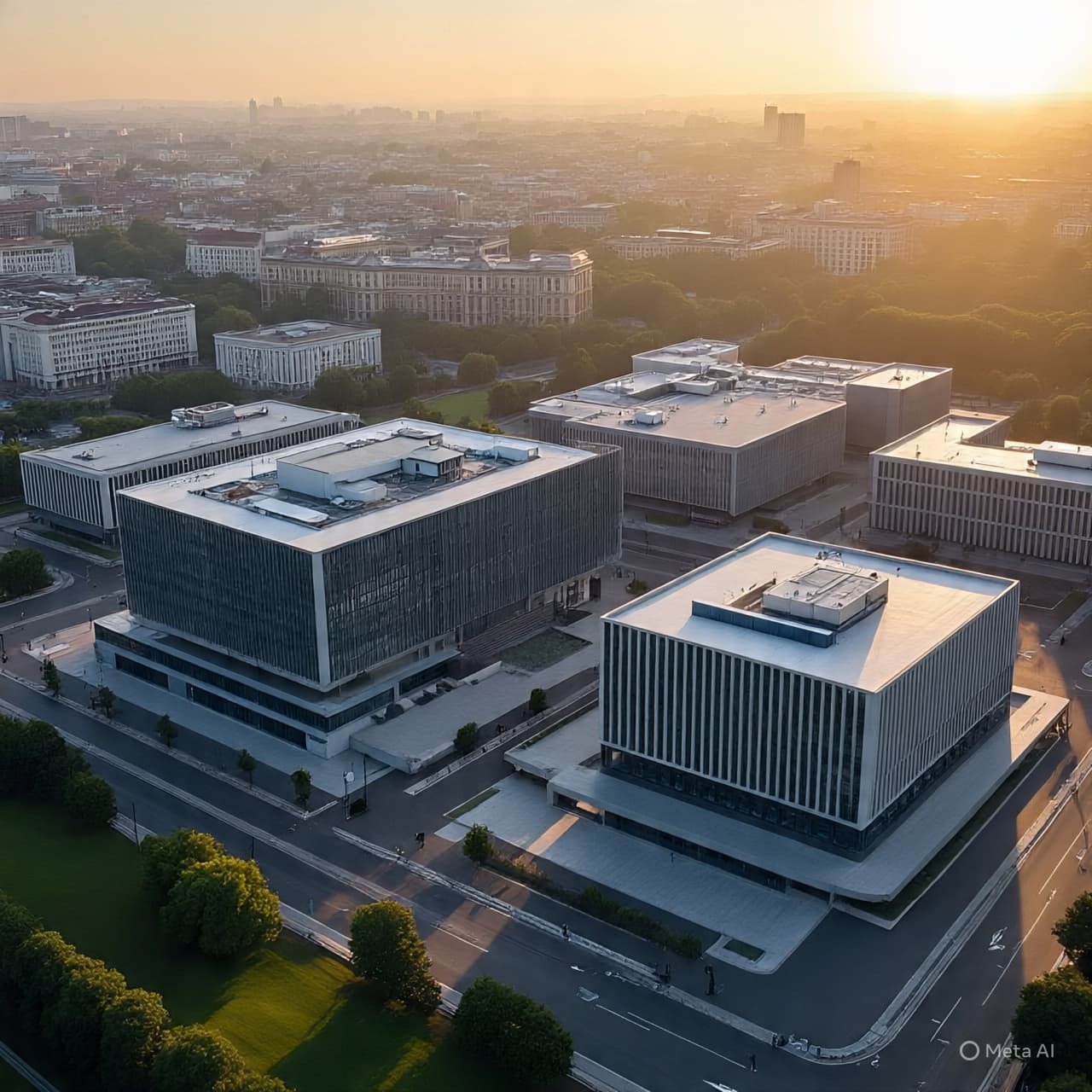
Across Europe’s capitals, the early hours of morning often begin quietly. In Brussels, the glass facades of government buildings catch the pale light of dawn. In Berlin and Paris, trams begin their routes as cafés open their doors to the first customers of the day. Diplomacy, like the cities that host it, tends to move in measured rhythms—statements drafted, consultations held, positions refined carefully over time.
Yet beyond these calm routines, another rhythm has grown louder across the Middle East. The widening confrontation involving the United States, Israel, and Iran has drawn the attention of European governments that find themselves watching from a distance, balancing alliances, anxieties, and the long memory of past conflicts in the region.
For much of Europe, the immediate instinct has been restraint. Leaders across the European Union have called for de-escalation, urging all sides to step back from a cycle of retaliation that could spill far beyond the original battlefield. The European Commission and several member states have emphasized diplomacy as the only sustainable path forward, warning that a broader war could destabilize energy markets, disrupt global shipping routes, and deepen existing tensions already stretching across the Middle East.
Countries such as Germany and France, two of the EU’s largest political voices, have expressed concern about the escalation while reaffirming their longstanding position on Iran’s nuclear ambitions. Both governments continue to argue that diplomatic frameworks—once embodied in the Joint Comprehensive Plan of Action, the 2015 nuclear agreement—remain the most reliable means of limiting Iran’s nuclear program and preventing the region from sliding into wider conflict.
Yet Europe’s position is not entirely uniform. While the continent shares a broad concern about escalation, individual governments carry different strategic instincts shaped by geography, history, and alliances. Nations in Eastern Europe, particularly those with close security ties to Washington, have been more inclined to support the United States’ posture toward Iran and Israel, emphasizing solidarity with NATO’s leading power during moments of international tension.
Southern European countries, meanwhile, often view developments through the lens of proximity. The Mediterranean sits only a short distance from the Middle East, and instability there tends to ripple quickly toward Europe’s southern shores—through migration pressures, trade disruptions, and energy supply concerns. For governments in Italy, Greece, and Spain, the conflict is not simply a distant geopolitical event but a reminder of how interconnected the region remains.
Energy, too, casts a long shadow over Europe’s thinking. Although the continent has spent recent years diversifying its energy sources following disruptions linked to Russia’s war in Ukraine, global oil and gas markets remain sensitive to conflict involving Iran, a major producer in the region. Any prolonged confrontation threatens to tighten supplies and push prices upward, complicating Europe’s fragile economic recovery.
At the same time, Europe’s relationship with Israel continues to shape its response. Many European governments maintain strong diplomatic, economic, and cultural ties with Israel and have historically supported its security concerns. Yet those same governments often frame their public statements with caution, seeking to avoid language that could appear to endorse a broader regional war.
The result is a position that might best be described as carefully balanced. European leaders have not joined military operations, nor have they openly aligned themselves with Tehran’s position. Instead, their statements circle around familiar diplomatic vocabulary—restraint, dialogue, stability—words that reflect both genuine concern and a recognition of Europe’s limited ability to influence the trajectory of the conflict directly.
In quiet meeting rooms in Brussels and national capitals, diplomats continue to weigh possibilities: whether negotiations could re-emerge, whether back-channel communication might slow the escalation, or whether the conflict could widen despite such efforts.
For now, Europe remains largely on the margins of the confrontation, watching events unfold while urging calm from afar. The continent’s voice carries the tone of a long-practiced mediator—aware of the stakes, cautious of the consequences, and mindful that in a region shaped by decades of conflict, even distant observers cannot entirely escape the echoes of war.
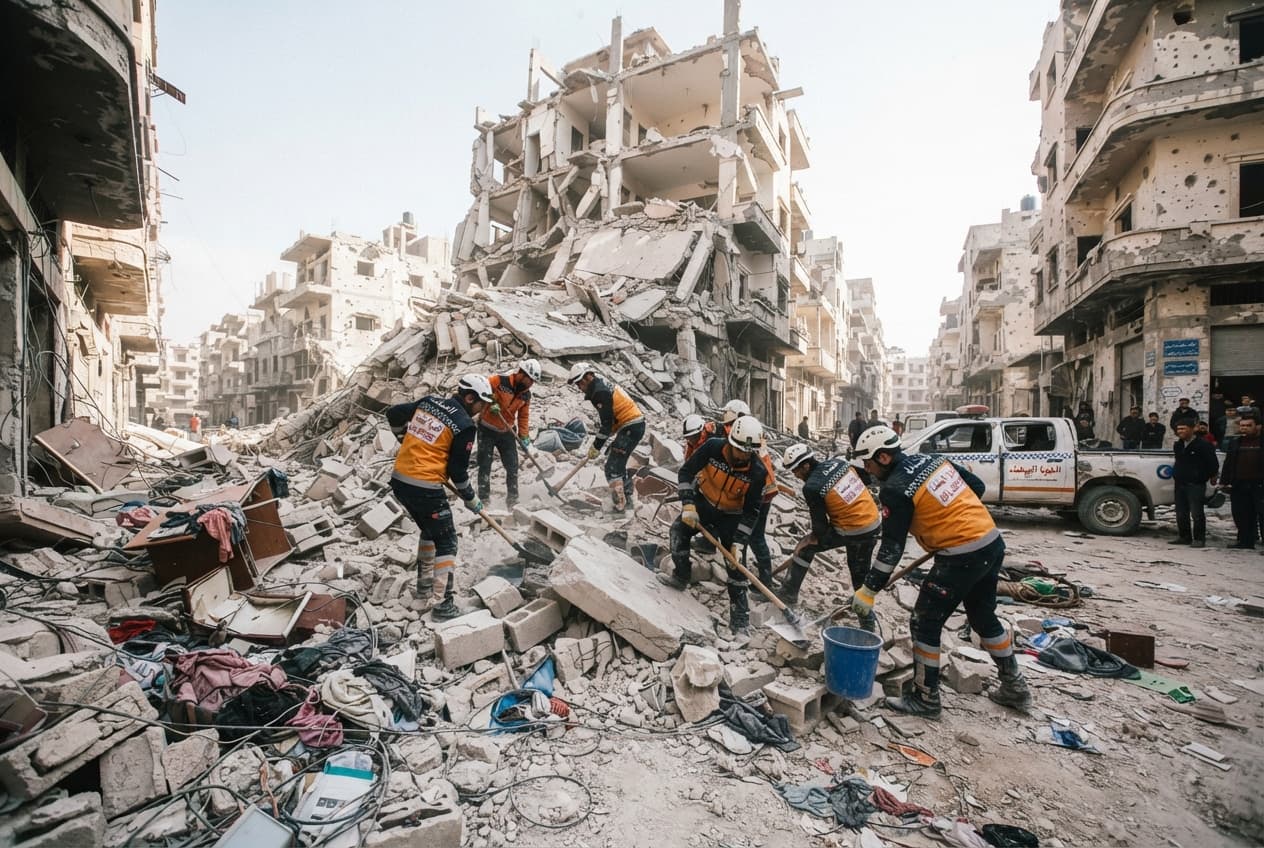
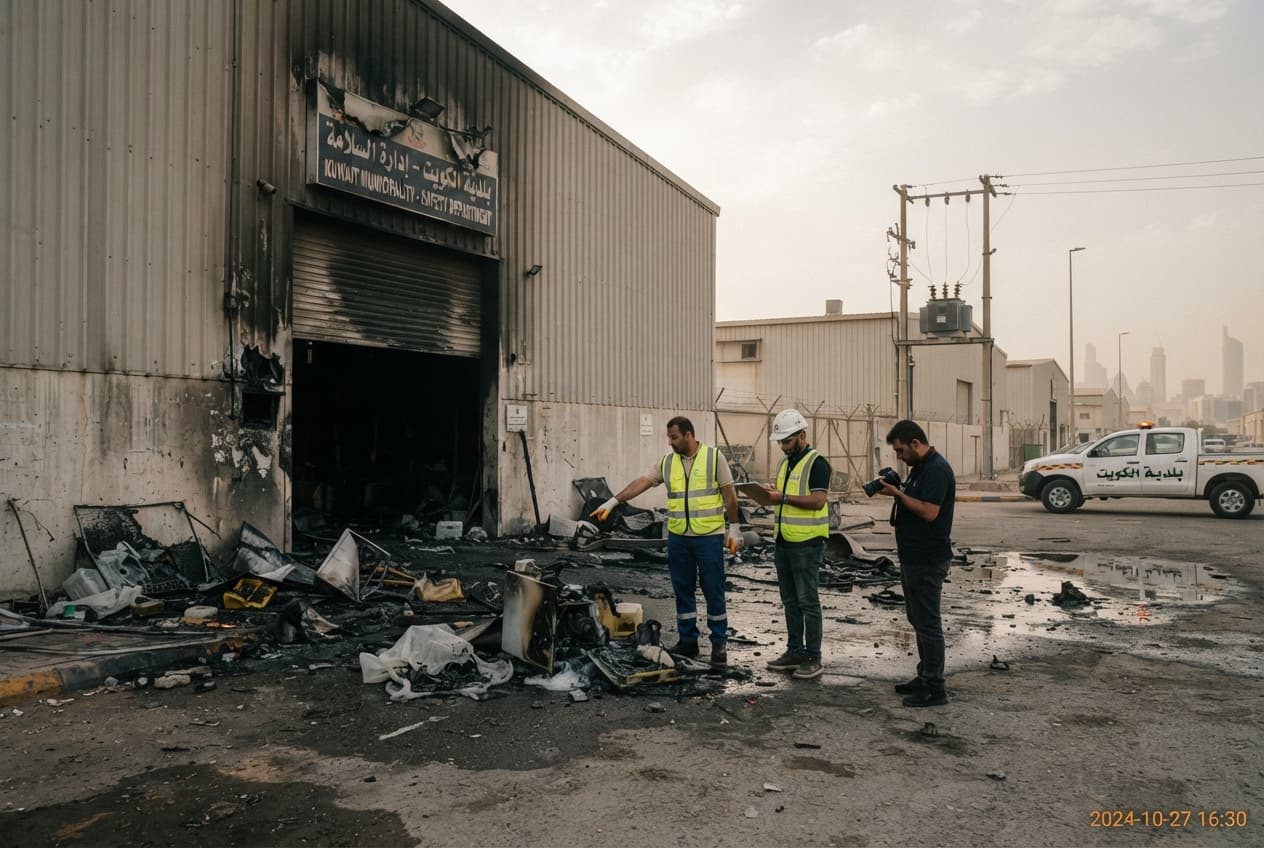
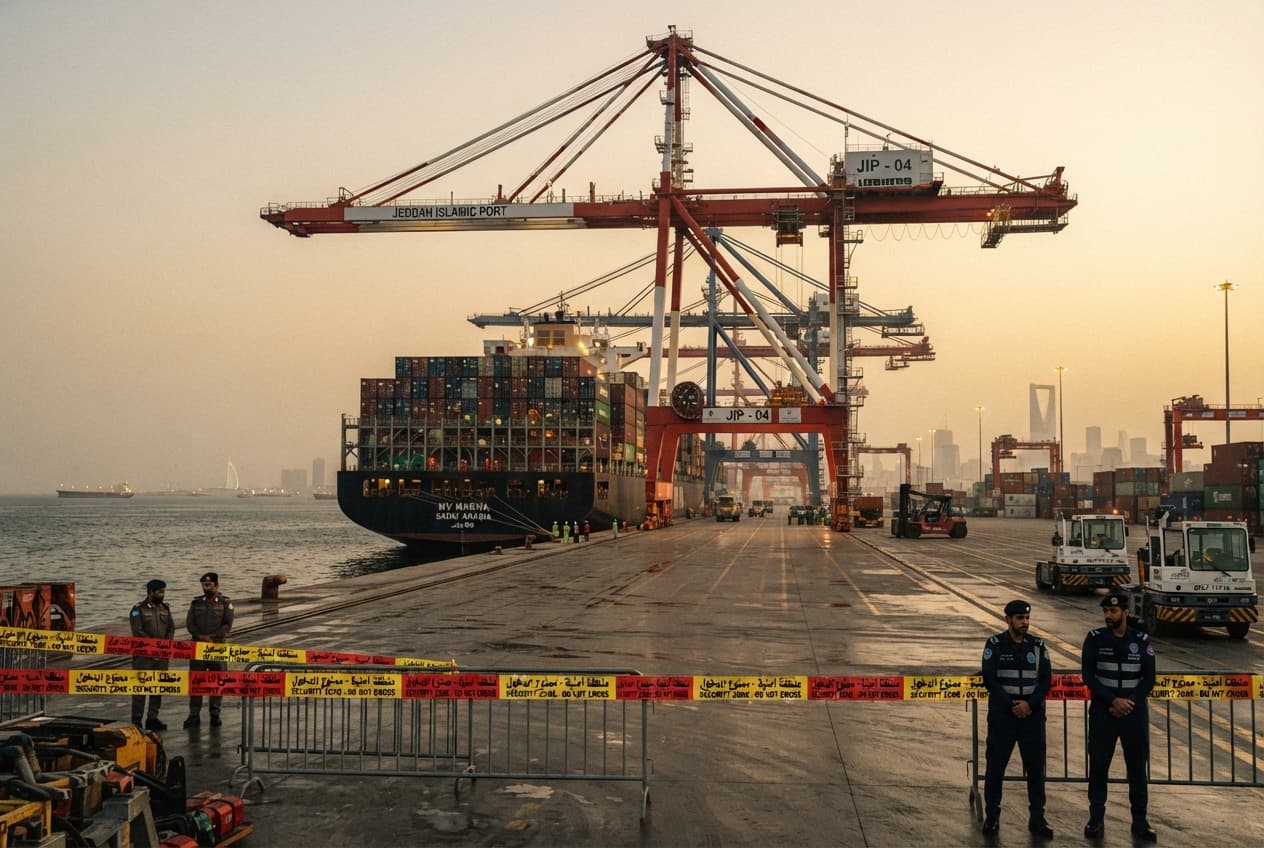
AI Image Disclaimer These images were generated with AI and depict illustrative interpretations rather than real-world photographs.
Sources Reuters BBC The Guardian Politico Europe Al Jazeera
Published by Banx Network. This article is part of the Banx decentralized media programme, powered by the BXE token on the XRP Ledger.