
Key Highlights
- Europe urges restraint amid escalating Middle East tensions.
- Germany and France reaffirm commitment to diplomatic solutions.
- Energy security concerns loom large over European responses.
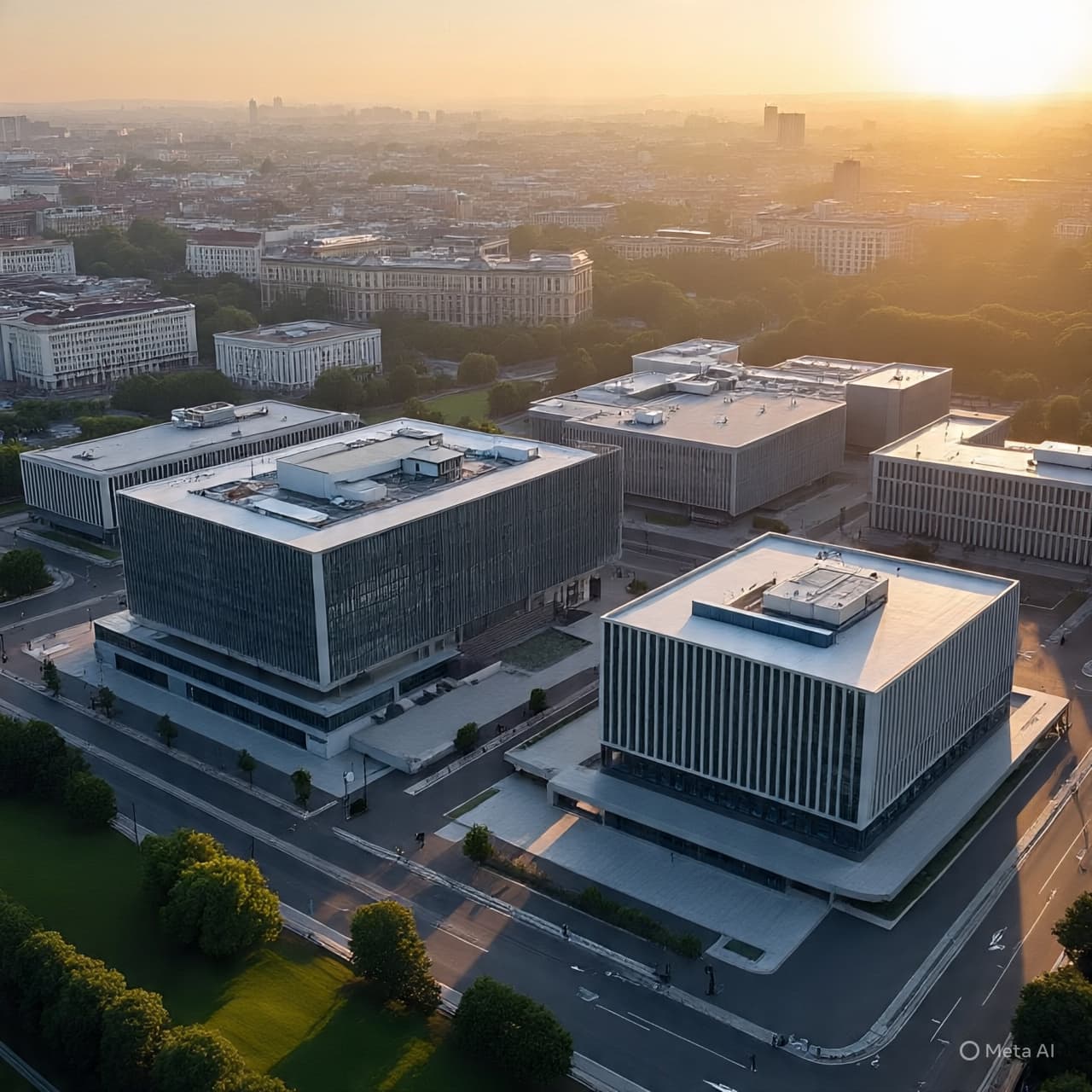
Europe's capitals often awaken to a quiet morning, with the glass facades of government buildings in Brussels reflecting the dawn's light. In cities like Berlin and Paris, trams begin their routes as cafés open their doors to early customers. Diplomacy, much like the cities that host it, operates in measured rhythms—statements drafted, consultations held, and positions refined over time.
However, beyond these calm routines, a more urgent rhythm has emerged in the Middle East. The escalating confrontation involving the United States, Israel, and Iran has captured the attention of European governments, who find themselves observing from a distance. They are tasked with balancing alliances, addressing anxieties, and recalling the long history of conflicts in the region.
For many European leaders, the immediate response has been one of restraint. Across the European Union, calls for de-escalation have echoed, urging all parties to step back from a cycle of retaliation that could extend beyond the initial conflict. The European Commission, along with several member states, has emphasized that diplomacy is the only sustainable path forward. They warn that a broader war could destabilize energy markets, disrupt global shipping routes, and exacerbate existing tensions already prevalent in the Middle East.
Germany and France, two of the EU's most influential voices, have expressed deep concern over the escalating situation while reaffirming their long-standing position regarding Iran's nuclear ambitions. Both nations argue that diplomatic frameworks, such as the Joint Comprehensive Plan of Action (JCPOA) established in 2015, remain the most reliable means to limit Iran's nuclear program and prevent the region from descending into wider conflict.
Despite a shared concern about escalation, Europe's stance is not entirely uniform. Individual governments possess different strategic instincts shaped by their unique geography, history, and alliances. Eastern European nations, particularly those with close security ties to the United States, have shown a greater inclination to support the U.S. posture towards Iran and Israel, emphasizing solidarity with NATO's leading power during international tensions.
Conversely, Southern European countries often view developments through the lens of proximity. The Mediterranean Sea lies just a short distance from the Middle East, and instability in that region tends to ripple quickly towards Europe’s southern shores—manifesting through migration pressures, trade disruptions, and energy supply concerns. For governments in Italy, Greece, and Spain, the conflict is not merely a distant geopolitical event but a stark reminder of the interconnectedness of the region.
Energy considerations also loom large in Europe's diplomatic calculus. Although the continent has worked to diversify its energy sources in recent years—especially following disruptions linked to Russia's war in Ukraine—global oil and gas markets remain sensitive to conflicts involving Iran, a significant producer in the region. Any prolonged confrontation threatens to tighten supplies and elevate prices, complicating Europe's already fragile economic recovery.
Moreover, Europe's relationship with Israel continues to influence its response. Many European governments maintain strong diplomatic, economic, and cultural ties with Israel and have historically supported its security concerns. However, they often frame their public statements with caution, striving to avoid language that could be interpreted as endorsing a broader regional war.
The result is a carefully balanced position. European leaders have refrained from joining military operations and have not openly aligned themselves with Tehran's stance. Instead, their statements revolve around familiar diplomatic terminology—restraint, dialogue, stability—reflecting both genuine concern and an acknowledgment of Europe’s limited ability to directly influence the conflict's trajectory.
In the quiet meeting rooms of Brussels and national capitals, diplomats continue to explore possibilities: whether negotiations could be revived, whether back-channel communications might mitigate escalation, or whether the conflict could widen despite such efforts.
For now, Europe remains largely on the sidelines of the confrontation, observing events unfold while advocating for calm from a distance. The continent's voice resonates with the tone of a seasoned mediator—aware of the stakes, cautious of the consequences, and mindful of the complexities in a region shaped by historical tensions and modern challenges.
Published by Banx Network. This article is part of the Banx decentralized media programme, powered by the BXE token on the XRP Ledger.



