
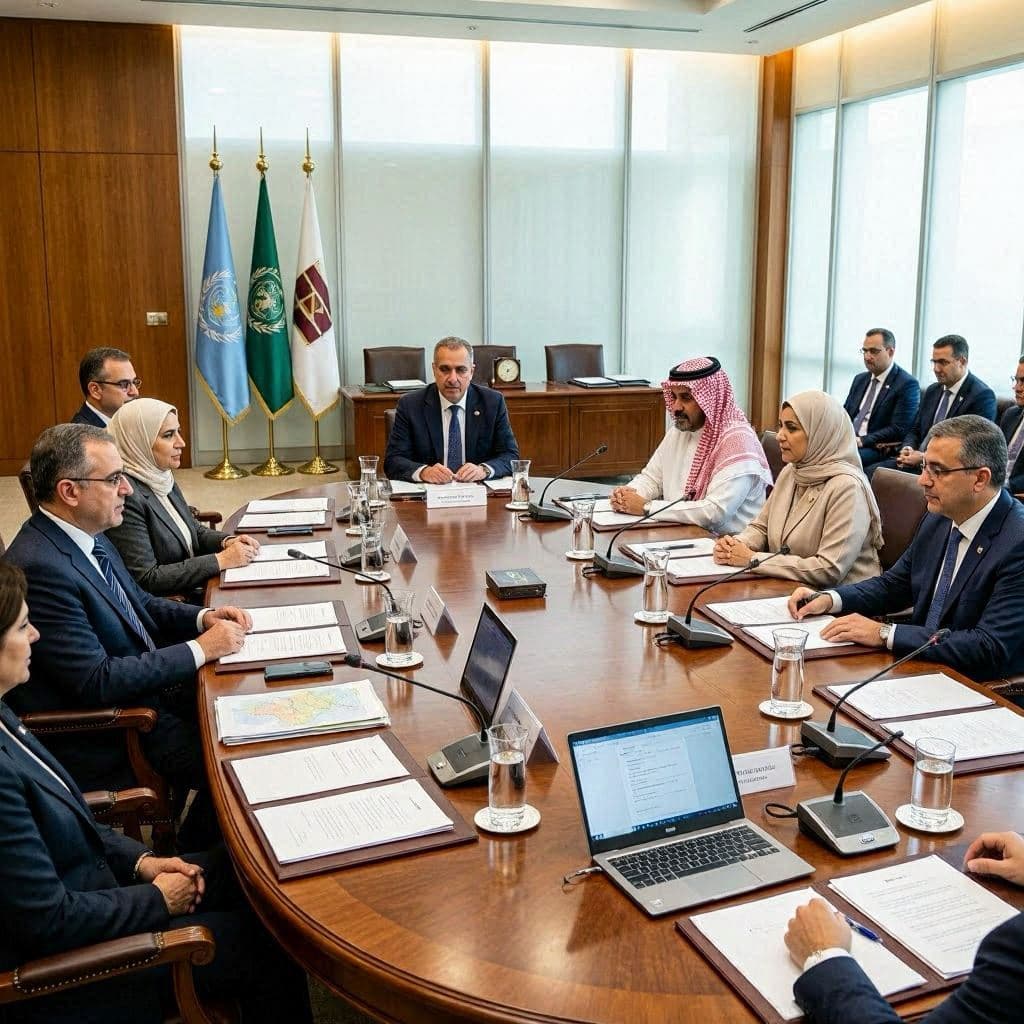
Key Highlights
- Ongoing tensions between Iran, the US, and Israel shape regional dynamics.
- Maritime security remains a critical focus for international trade.
- Financial markets react to geopolitical developments, impacting oil prices.
The Middle East has often resembled a landscape where diplomacy and uncertainty move side by side. Periods of calm occasionally emerge, yet beneath the surface, longstanding rivalries and strategic calculations continue to shape regional realities. Recent diplomatic developments involving Iran, the United States, and Israel have reduced immediate fears of broader confrontation, but tensions remain evident across the region. Policymakers and analysts continue monitoring developments closely as governments pursue both security measures and diplomatic engagement.
The relationship between Iran and the United States has experienced decades of strain, influenced by disagreements over regional influence, sanctions, and Iran's nuclear activities. Israel, meanwhile, continues to express concerns regarding Iran's military capabilities and regional alliances. The complexities of these relationships are further exacerbated by the historical context of conflict and mistrust, making any diplomatic progress a challenging endeavor.
International mediators have encouraged dialogue aimed at reducing the risk of escalation. Several countries in the Gulf region have also advocated diplomatic solutions, emphasizing that regional stability remains essential for economic security and global energy markets. The involvement of international actors, including European nations and Russia, highlights the global stakes in Middle Eastern affairs, as they seek to balance their interests while promoting peace.
Maritime security has emerged as a particular focus. Shipping routes in and around the Gulf remain strategically important for international trade, and any disruption could affect global energy supplies and commercial activity. The Strait of Hormuz, a vital chokepoint for oil shipments, has been a flashpoint for tensions, with various nations asserting their presence to ensure safe passage for vessels. This situation underscores the interconnectedness of regional security and global economic stability.
Security analysts note that even limited incidents can produce broader geopolitical consequences. For that reason, governments across Europe, Asia, and North America continue maintaining close diplomatic communication with regional partners. The potential for miscalculation or unintended escalation remains a concern, prompting ongoing discussions about conflict prevention and crisis management strategies.
Financial markets have also reacted cautiously to developments. Oil prices periodically fluctuate in response to security concerns, reflecting the interconnected relationship between geopolitics and the global economy. Investors remain vigilant, as any sign of increased tension can lead to immediate market reactions, impacting not only oil prices but also broader economic indicators.
While uncertainty persists, diplomatic channels remain active. Regional leaders and international stakeholders continue emphasizing dialogue as the most effective path toward reducing tensions and preserving stability. The commitment to diplomacy, despite the challenges, reflects a recognition that lasting peace in the Middle East is essential for both regional and global security.
Published by Banx Network. This article is part of the Banx decentralized media programme, powered by the BXE token on the XRP Ledger.



