
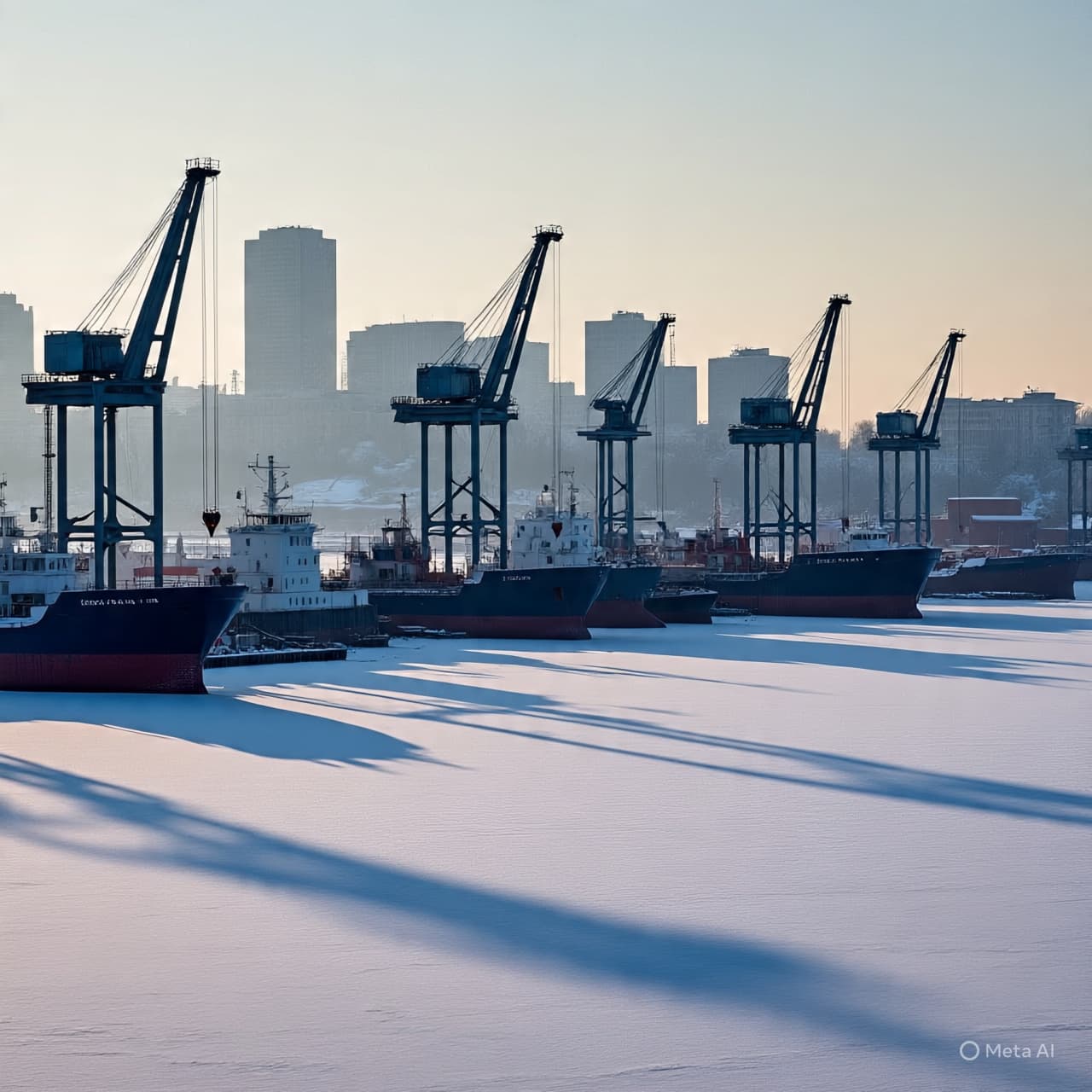
Winter light falls in slanted beams across the city skyline, illuminating cranes at port terminals and the quiet hum of transport arteries. In the midst of this ordinary rhythm, the world feels an undercurrent of tension, a subtle yet palpable awareness of fragility. From offices to oil depots, from trading floors to family kitchens, the consequences of distant conflicts ripple into daily life. The International Energy Agency (IEA) recently warned that the ongoing war involving Iran poses a “major, major threat” to the global economy, a statement that reverberates far beyond headlines.
For energy markets already navigating the complexities of supply and demand, geopolitical instability adds another layer of uncertainty. Shipping routes through the Strait of Hormuz, vital arteries for global oil transport, are under heightened scrutiny. Traders and analysts monitor every ripple in tanker movements, every report of missile strikes or regional escalation, understanding that even minor disruptions can have outsized impacts on prices and supply chains. The IEA’s warning underscores that the stakes are not confined to distant capitals; they touch households and industries worldwide, shaping energy costs, inflation, and the rhythm of everyday commerce.
Economists note that the fragility of the system is compounded by reliance on oil and gas exports from volatile regions. Nations with limited domestic energy capacity watch anxiously as prices oscillate in response to news from the Middle East. The warning from the IEA reflects a sober acknowledgment: the war’s economic impact is not hypothetical, and global markets must brace for continued volatility. Yet amid concern, policymakers, energy companies, and international institutions are already exploring mitigation strategies, from diversifying energy sources to stockpiling reserves, seeking stability in an inherently unstable landscape.
As winter light wanes into longer nights, the world’s attention remains fixed on the geopolitical chessboard, mindful that energy security is intertwined with diplomacy, commerce, and the lived experience of daily life. The IEA’s stark message is both caution and call to awareness: in an era where conflict anywhere can resonate everywhere, the interconnected web of global economy and energy flows demands vigilance, foresight, and the patience to navigate uncertainty with care.
AI Image Disclaimer Visuals are AI-generated and serve as conceptual representations.
Sources International Energy Agency Reuters Bloomberg Financial Times CNBC
Published by Banx Network. This article is part of the Banx decentralized media programme, powered by the BXE token on the XRP Ledger.



