In Ecuador, the air is once again thick with the scent of unrest — a mix of diesel fumes and determination. The Andes have long carried the voices of those who rise when the promises of power feel too distant. This week, those voices reached Quito’s steps once more.
President Daniel Noboa’s decision to cut diesel subsidies has struck a deep chord across provinces where fuel is not just an economic line item but a lifeline. As protests gathered, the government’s response came swiftly — a declaration of emergency, curfews, and heightened patrols. Yet behind every decree lies a deeper question: how long can order be maintained when fairness feels negotiable?
Reports from Bloomberg and AP describe widespread discontent led by Indigenous organizations, warning of larger mobilizations if dialogue fails. The protests are not merely about fuel; they are about years of economic imbalance, fragile trust, and a government walking the thin line between reform and revolt.
Ecuador’s struggle is one the world knows well — when fiscal austerity collides with social exhaustion. Each street march is both a cry of resistance and a plea for recognition. Noboa’s emergency decree may bring a temporary calm, but beneath the quiet, the tremor of frustration endures.
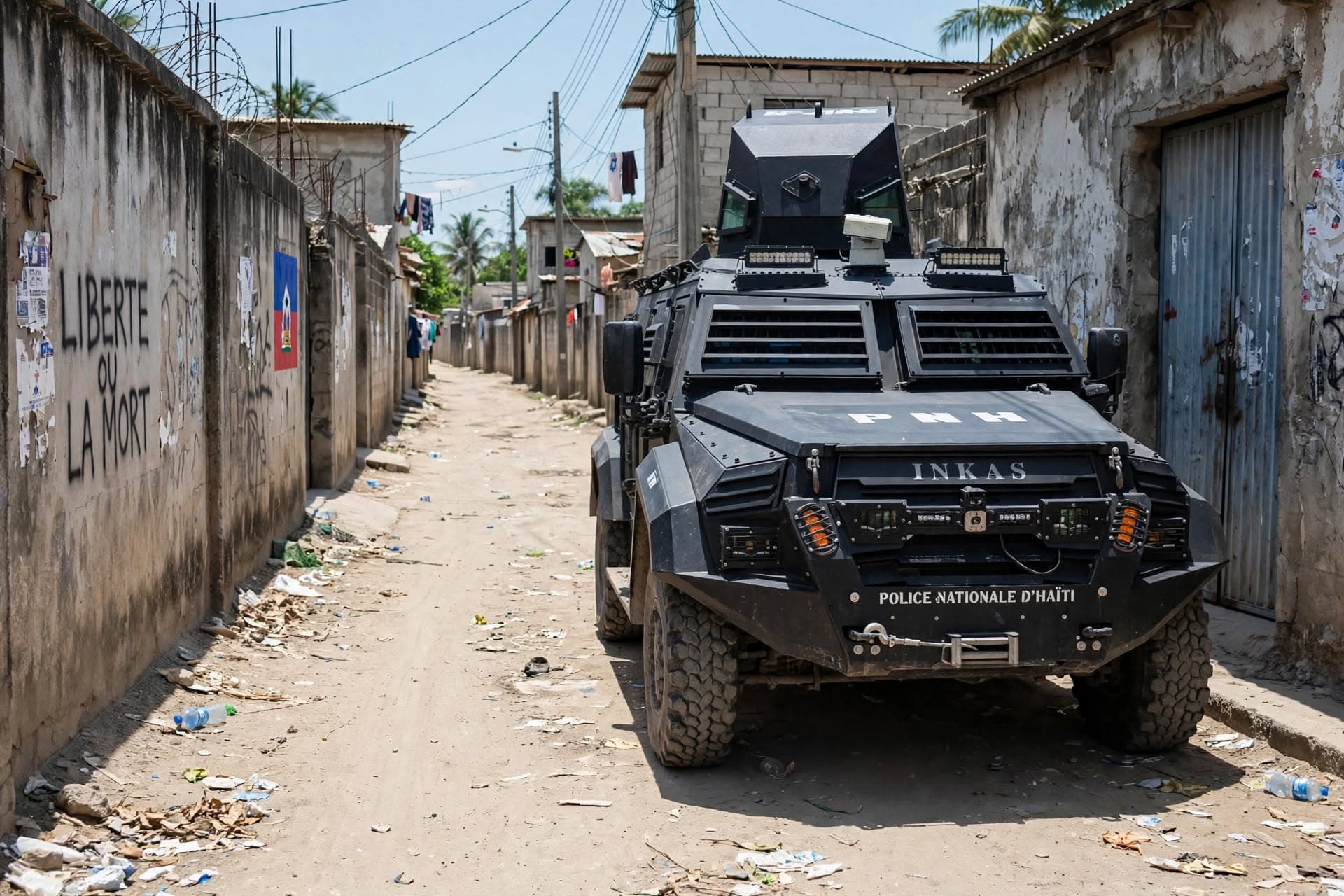
AI Image Disclaimer: Illustrations are AI-generated and serve as conceptual depictions, not real images.
Sources: Bloomberg, AP News, UPI, China Daily Asia, Plenglish
Published by Banx Network. This article is part of the Banx decentralized media programme, powered by the BXE token on the XRP Ledger.