Diplomacy often unfolds like a chessboard set beneath an open sky—each move deliberate, each silence as meaningful as a spoken word. In the Middle East, where alliances are layered with history and expectation, even a single remark can shift the tone of an entire conversation. Words, especially when uttered by national leaders, carry the weight of possibility.
U.S. Senator Marco Rubio is planning a trip to Israel at a moment when former President Donald Trump has publicly expressed dissatisfaction with ongoing U.S.–Iran talks. The convergence of travel plans and political commentary has drawn attention to the delicate balance Washington maintains between diplomacy with Tehran and steadfast ties with Jerusalem.
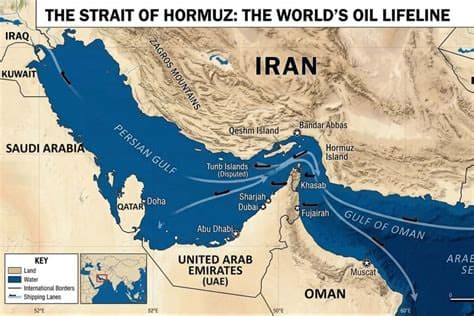
Trump’s comment that he is “not happy” with the direction of discussions with Iran reflects the broader debate within American politics over how to approach Tehran’s nuclear program and regional influence. Negotiations between U.S. and Iranian officials, conducted indirectly in recent years, have aimed at limiting Iran’s nuclear activities in exchange for sanctions relief. Yet skepticism has remained persistent among critics who question whether such talks yield lasting restraint.
Rubio, a long-time voice on foreign policy issues, has consistently emphasized strong U.S.–Israel relations and a cautious approach toward Iran. His planned visit to Israel comes at a time when Israeli leaders have repeatedly signaled concern over any agreement they believe could leave Iran with significant nuclear capabilities. For Israel, the issue is framed not only as a diplomatic matter but as one of national security.
The United States has historically navigated a complex dual track in the region: engaging adversaries diplomatically while reaffirming commitments to key allies. In the case of Iran, successive administrations have wrestled with how best to prevent nuclear escalation without igniting broader conflict. For Israel, assurances from Washington often accompany any overture toward Tehran.
Regional dynamics add further layers. Gulf states, European partners, and international monitoring agencies all observe the trajectory of talks closely. Energy markets, regional security alignments, and domestic political calculations intersect in ways that make each statement resonate beyond national borders.
Trump’s remarks introduce a note of public disapproval that contrasts with quieter diplomatic channels. While he no longer holds office, his influence within U.S. political discourse remains significant. Statements from figures of his stature can shape expectations, signal pressure points, or frame negotiations in the public imagination.
Rubio’s visit, meanwhile, underscores the enduring centrality of Israel in American foreign policy debates. Congressional delegations and high-level visits often serve both symbolic and substantive purposes—reassuring allies, gathering briefings, and reinforcing shared priorities. In moments of uncertainty, such travel can carry additional meaning.
Officials involved in the talks have not publicly detailed all aspects of the current discussions with Iran. Negotiations of this nature frequently proceed with discretion, allowing room for compromise. At the same time, transparency is often limited to broad outlines rather than granular specifics.
Observers note that U.S.–Iran diplomacy has rarely moved in straight lines. Periods of optimism have alternated with stalemate. Political leadership in Washington and Tehran can alter both tone and trajectory. Israel’s position has remained comparatively consistent: advocating firm limits and clear enforcement mechanisms.
As Rubio prepares for his trip, the interplay between domestic political voices and international diplomacy becomes more visible. Statements of concern may influence the atmosphere, but formal negotiations typically hinge on structured proposals and measured exchanges.
For now, the reported visit and Trump’s remarks coexist within a wider diplomatic landscape that continues to evolve. Talks with Iran remain ongoing, and U.S.–Israel relations remain a cornerstone of regional strategy. Developments in the coming weeks may clarify whether public dissatisfaction translates into policy shifts or remains part of the broader political dialogue.
In the intricate choreography of Middle Eastern diplomacy, movement rarely occurs without careful calculation. As discussions proceed, leaders on all sides appear mindful that words spoken today may shape the realities of tomorrow.
AI Image Disclaimer Graphics are AI-generated and intended for representation, not reality.
Sources Reuters Associated Press The New York Times The Wall Street Journal Al Jazeera
Published by Banx Network. This article is part of the Banx decentralized media programme, powered by the BXE token on the XRP Ledger.