
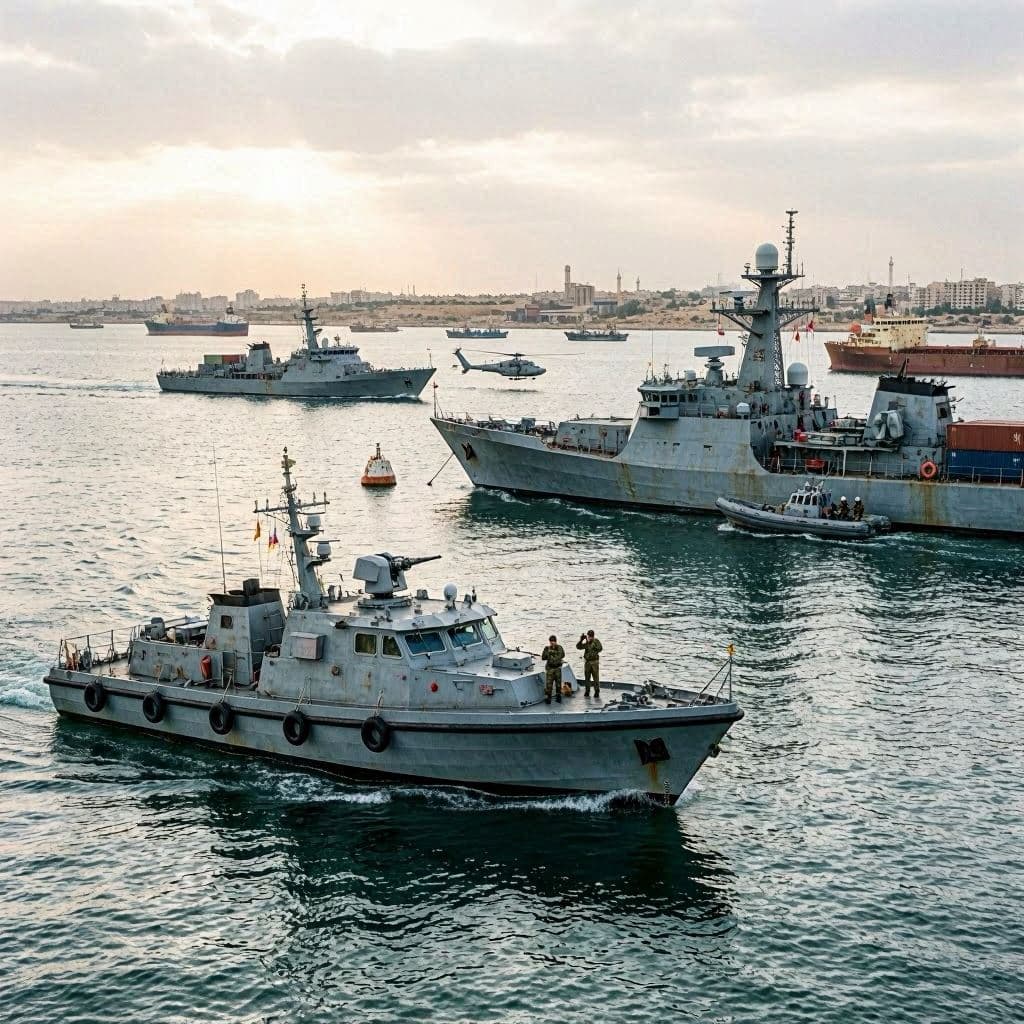
Key Highlights
- Renewed tensions between the U.S. and Iran have raised international concerns.
- Diplomatic channels remain open despite heightened rhetoric.
- Energy markets are reacting to the uncertainty in the region.
Recent developments in the Middle East have once again spotlighted the delicate balance between diplomacy and confrontation, particularly in the context of U.S.-Iran relations. Following a series of military incidents, both Washington and Tehran have exchanged strong statements, raising alarms among diplomats and regional observers about the potential for miscalculation that could destabilize an already fragile environment.
The latest escalation comes on the heels of security incidents involving military assets and regional partners. Both governments have defended their actions as necessary for national security, but the situation has led to increased scrutiny from international leaders who are urging restraint. The fear is that any misstep could trigger a broader conflict, further complicating an already tense geopolitical landscape.
The United States has maintained a significant military presence in the Middle East for decades, citing the protection of allies and maritime security as key reasons for its involvement. Iran, on the other hand, continues to assert its influence across the region through various political, military, and strategic partnerships. This ongoing power struggle has created a complex web of alliances and rivalries that complicate diplomatic efforts.
In light of the recent tensions, several governments and multilateral organizations have called for both sides to engage in dialogue and avoid actions that could escalate the situation. The international community is particularly focused on the potential for backchannel negotiations or confidence-building measures that could pave the way for de-escalation.
Financial markets have also reacted to the uncertainty surrounding U.S.-Iran relations. Energy prices have experienced fluctuations as investors assess the potential impact of heightened tensions on global oil supplies and shipping routes. The volatility in these markets underscores the interconnectedness of geopolitical events and economic stability.
Despite the intensified rhetoric, diplomatic channels remain open. Regional governments continue to encourage dialogue as a means of preventing further escalation and preserving stability in the region. The hope is that through sustained diplomatic engagement, it may be possible to create a framework for de-escalation and ultimately foster a more stable environment in one of the world's most strategically significant regions.
As the situation evolves, the international community remains vigilant, watching closely to see if diplomacy can once again create the necessary space for peace and stability in the Middle East.
Published by Banx Network. This article is part of the Banx decentralized media programme, powered by the BXE token on the XRP Ledger.



