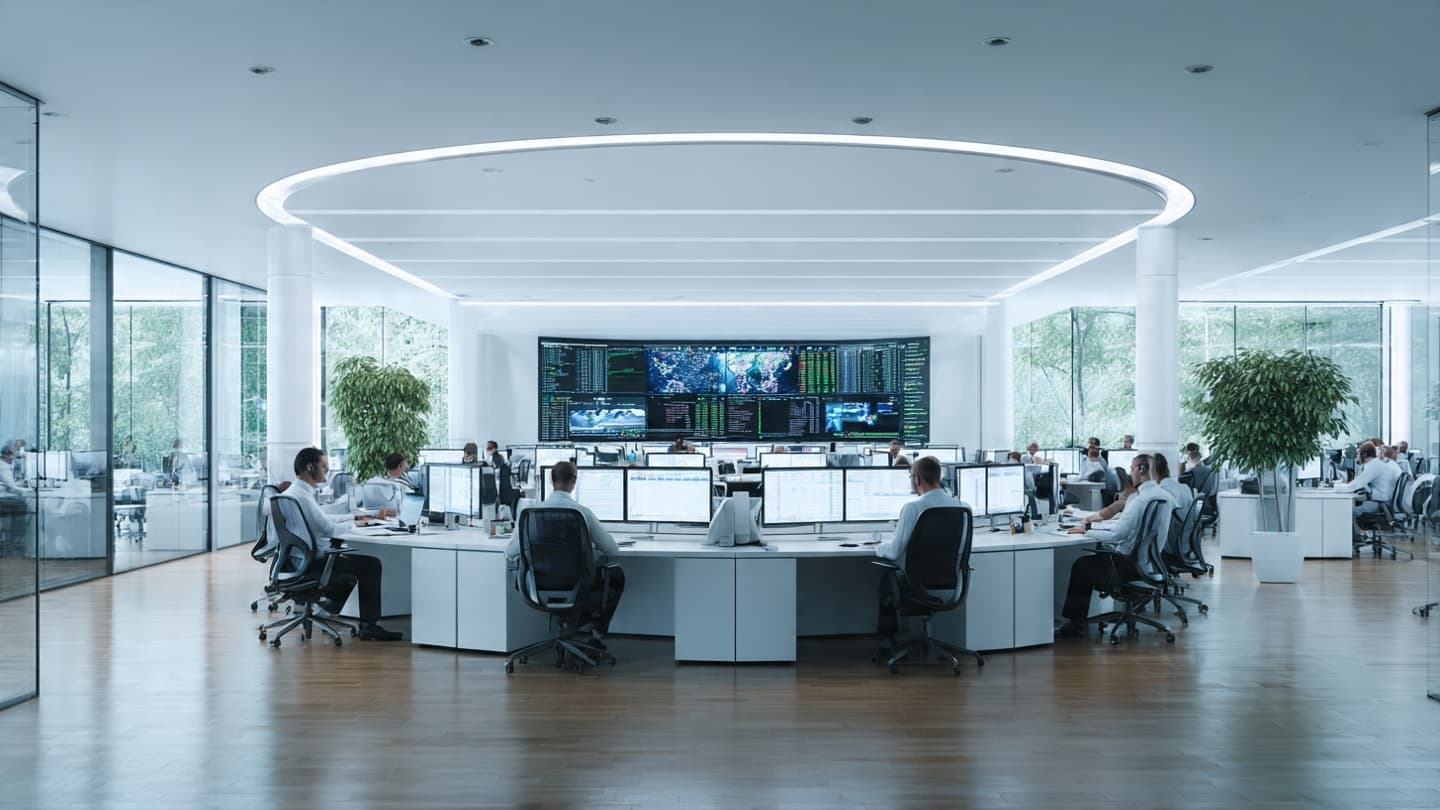
Across Saudi Arabia, water has always carried a significance that reaches beyond ordinary infrastructure. In a landscape shaped by desert and limited natural freshwater resources, the movement of water connects cities, industries, households, and long-term development. Now, a new wave of investment is turning that essential resource into an increasingly important industrial story.
Saudi Arabia is advancing efforts to localize parts of its water industry through investment estimated at $747 million. The initiative reflects a broader effort to strengthen domestic manufacturing and supply capabilities around water infrastructure, including equipment and technologies needed by the sector.
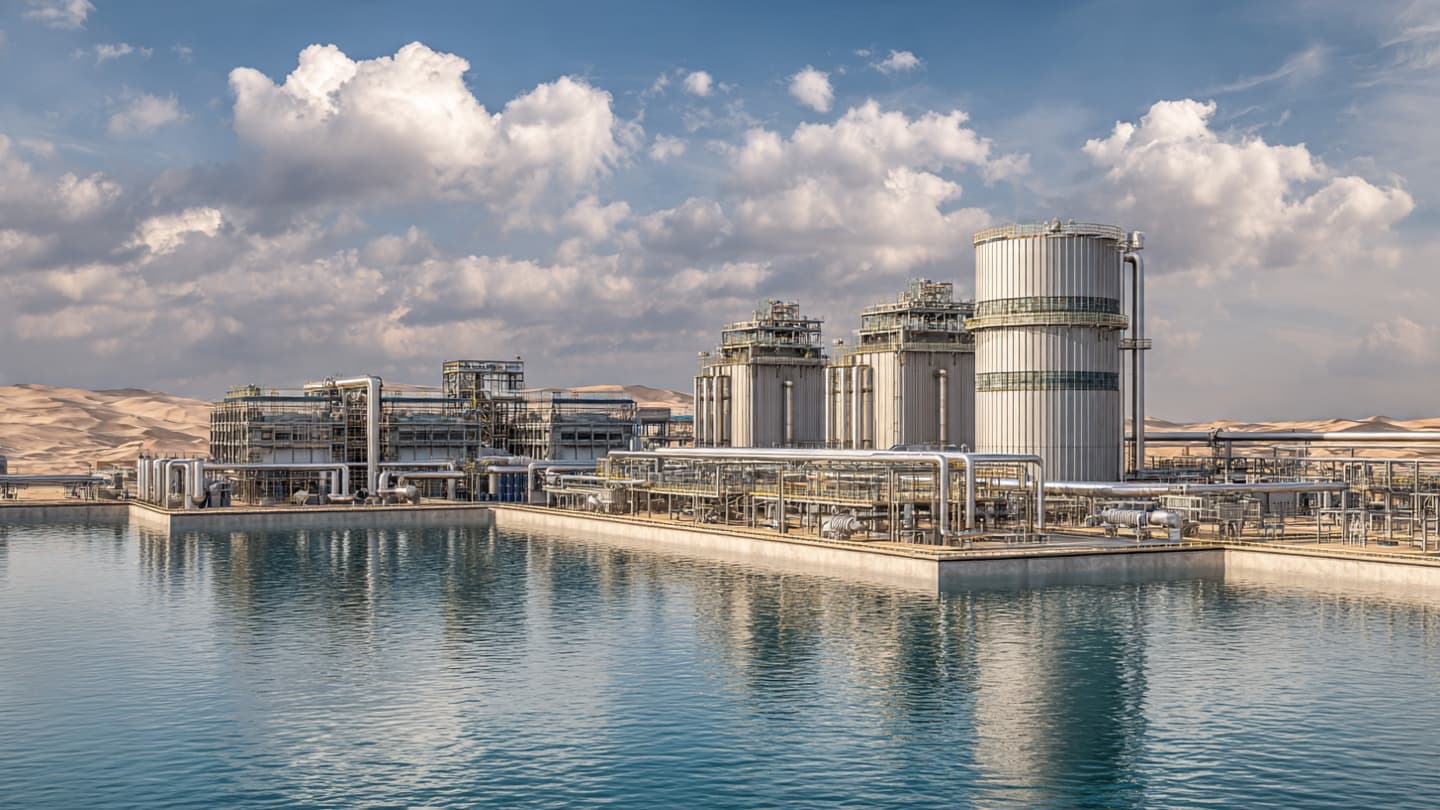
The scale of the investment becomes clearer when viewed against the kingdom’s geography. Large urban centers require substantial water systems, while industrial facilities and rapidly developing communities create additional demand. Desalination and water-treatment infrastructure consequently form a critical part of the country’s physical foundation.
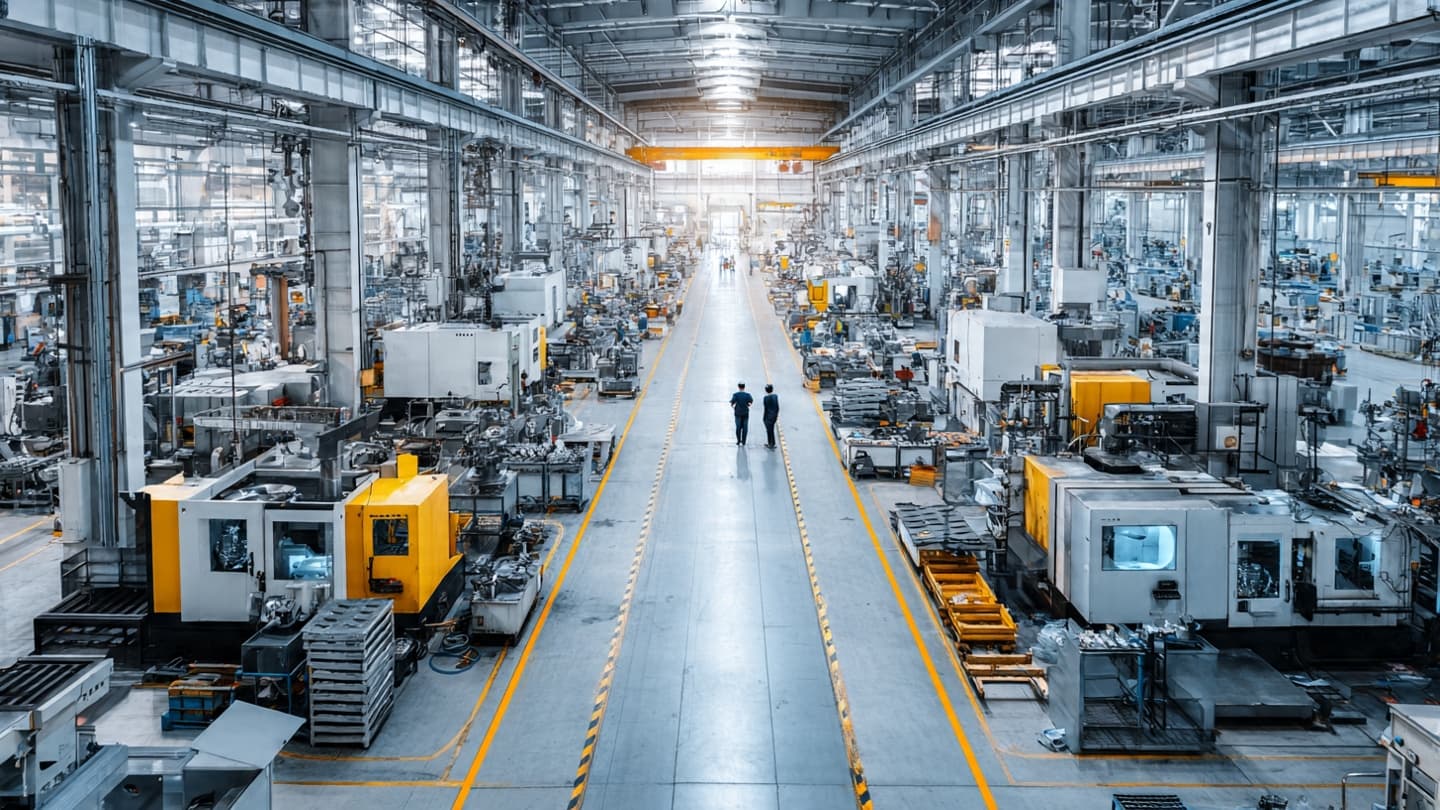
Localization can also change the way that infrastructure is supplied. Instead of relying entirely on imported equipment, developing domestic production capacity can create opportunities for Saudi manufacturers, engineering firms, maintenance companies, and specialized service providers. Over time, those businesses can become part of a broader industrial ecosystem.
The process is not simply about building more plants. Water infrastructure requires pumps, filtration systems, pipes, membranes, monitoring technology, control equipment, engineering expertise, and maintenance services. Each component represents a potential connection between water demand and industrial activity.
For businesses, that creates a market with a relatively unusual characteristic: demand is tied to a basic necessity. Cities may change their consumption patterns, industries may expand or slow, and technologies may evolve, but the need for reliable water infrastructure remains deeply embedded in everyday economic activity.
Saudi Arabia’s expanding urban landscape adds another dimension. New neighborhoods, tourism developments, industrial zones, and commercial districts all require dependable water networks. As construction progresses across different parts of the kingdom, infrastructure companies are positioned within a long chain of development stretching from production to distribution.
The investment also fits into a wider transformation of Saudi industry. The kingdom has been encouraging domestic manufacturing across multiple sectors, seeking to create stronger local supply chains and increase the role of Saudi companies in projects that were previously more dependent on external suppliers.
For an industry built around something as fundamental as water, the transformation can appear quietly. There are no dramatic movements like those seen in financial markets, but behind the scenes factories, engineering teams, treatment facilities, and infrastructure projects gradually change the way a country produces and manages one of its most valuable resources.
As the investment moves forward, the effect will be measured not only in dollars but in equipment manufactured, facilities developed, technical expertise gained, and water systems expanded. Across Saudi Arabia’s dry landscape, another industrial chapter is being written around the steady movement of water.
AI Image Disclaimer: These illustrations were generated by AI for conceptual visualization and should not be considered photographs of actual Saudi water facilities.
Published by Banx Network. This article is part of the Banx decentralized media programme, powered by the BXE token on the XRP Ledger.