Sometimes a decision left unspoken carries more weight than any announcement. For roughly 200,000 Salvadorans, the past three weeks have been exactly that kind of suspended silence.
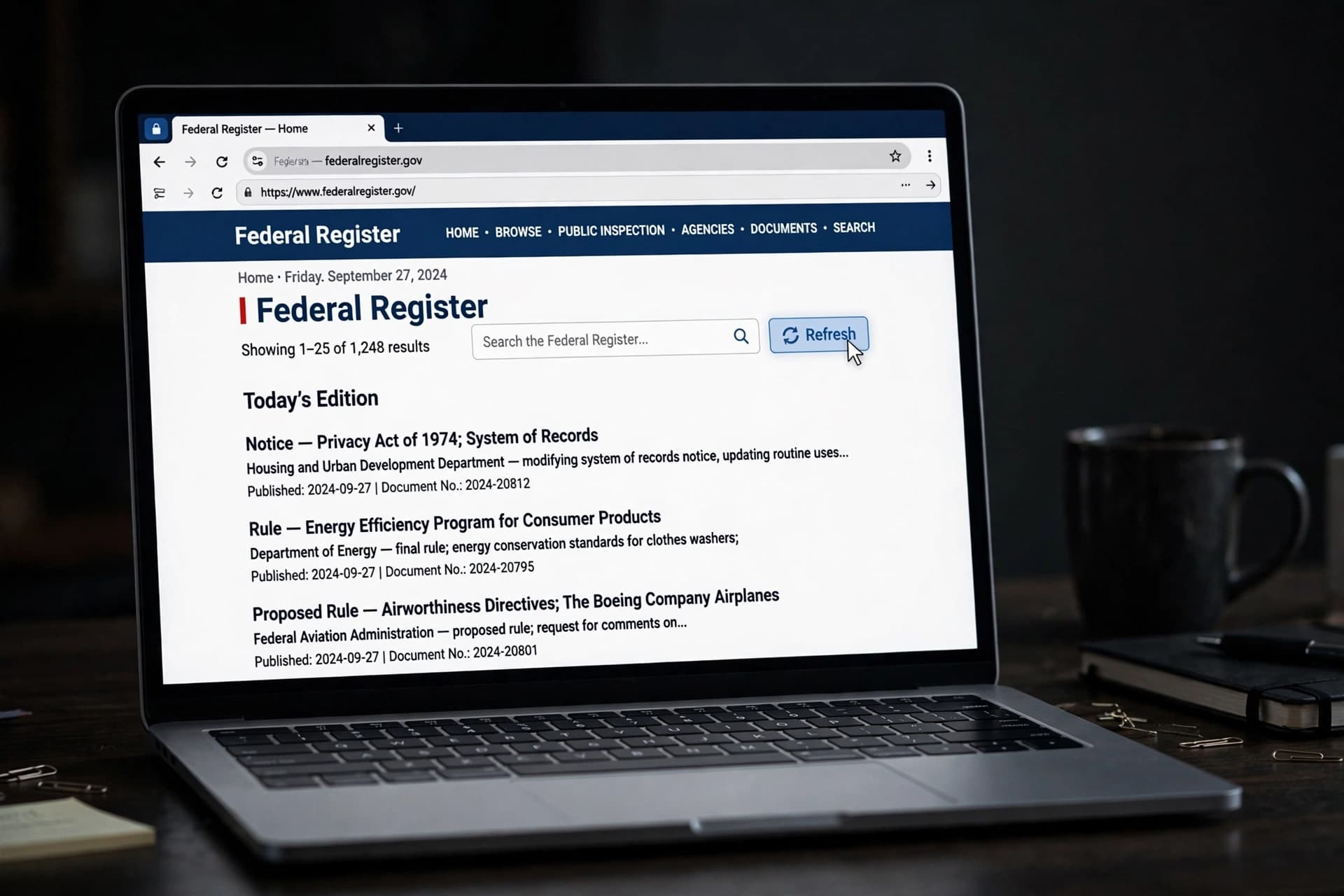
The Department of Homeland Security had already approved the publication of a notice terminating Temporary Protected Status for El Salvador. The notice was ready for the Federal Register. But the White House applied the brakes. Three people familiar with the matter said the sudden halt caught some inside DHS by surprise.
Salvadorans have held TPS since 1990, making them one of the longest-standing beneficiary groups under the program. After two major earthquakes in 2001, the designation was extended repeatedly, now spanning more than two decades. Many beneficiaries have lived in the United States for a quarter of a century; their children and grandchildren are American citizens.
The White House decision came at the intersection of several forces. Salvadoran President Nayib Bukele, an ally of Trump, has been lobbying to preserve the status. El Salvador's economy relies heavily on remittances — last year, Salvadorans in the United States sent home roughly $9.2 billion, nearly a quarter of the country's GDP.
Business interests have also weighed in. Texas has the second-largest Salvadoran population in the country, and local employers worry that revoking work permits would jolt an already tight labor market. A person close to the administration said, "These workers are connected to major donors and business leaders who have made their concerns known to the president and senior officials."
On the other side, immigration hardliners argue that conditions in El Salvador have improved. The State Department's travel advisory for the country is currently at its lowest risk level. They point out that the administration has terminated TPS for more than a dozen countries in this second term, affecting more than a million people, and that the delay on El Salvador is a clear exception.
Mark Krikorian of the Center for Immigration Studies, an immigration policy think tank, offered this assessment: "This is probably about election timing — let it be dealt with after the election, not because it would have a direct impact, but because they don't want news coverage before the election."
For the 200,000 people in limbo, each day passes in the refresh of a Federal Register page. Their work permits remain legally valid, but some employers have already dismissed holders out of confusion.
The White House referred questions to DHS. The department's statement was as brief as ever: an announcement will come "in due course," and until then, TPS for Salvadorans remains in effect.
Images in this article are AI-generated.
---
Sources: Politico, Washington Times, American Immigration Council, Associated Press, La Gaceta
Published by Banx Network. This article is part of the Banx decentralized media programme, powered by the BXE token on the XRP Ledger.