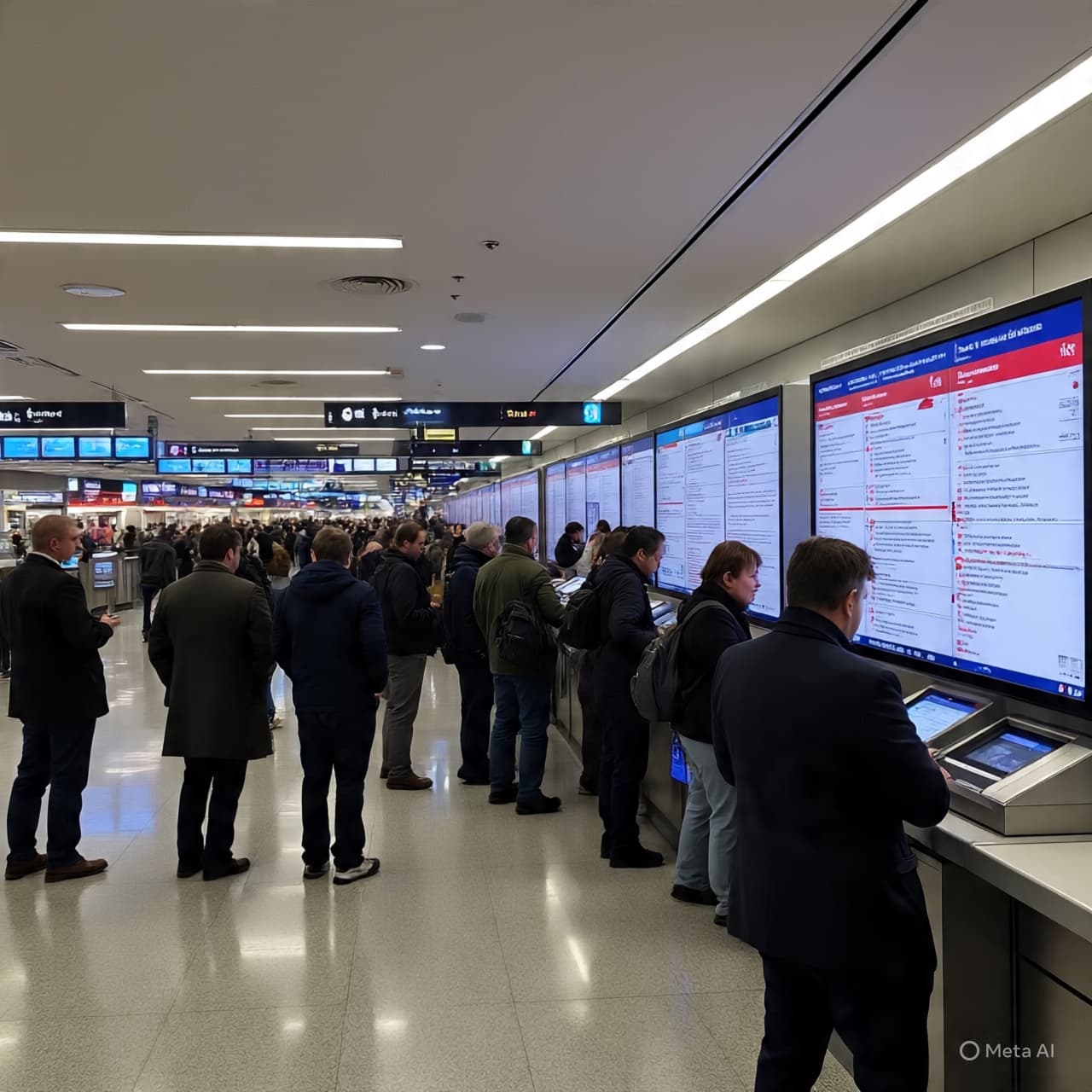
There is a strange kind of stillness that settles over airports long before dawn, a kind that seems to stretch beyond terminal glass into the wide, waiting sky itself. Travelers sit quietly with their dreams packed in carry-ons, eyes flicking between screens and departing plans. In recent days, that stillness has become more pronounced — not by choice, but by a series of decisions shaped by distant events that ripple into the everyday rhythms of flight schedules and airways. In the wake of escalating tensions and airspace closures across the Middle East, several major Philippine and international carriers have announced suspensions and cancellations of flights through March 2, inviting many passengers into an unexpected pause on their journeys.
There is a poetry in the way flight paths trace invisible lines over continents, connecting people and places. But when parts of the sky close, those lines retract and bend, and the poetry becomes an interlude of uncertainty. The Civil Aviation Authority of the Philippines has noted that at least 23 international flights have been canceled and three diverted as airlines adjust their operations in response to the evolving security situation in the Middle East.
For the country’s flag carrier, Philippine Airlines, and budget operator Cebu Pacific, the changes have come in the form of cancellations, diversions, and notifications of flexible rebooking options. Some flights outbound to destinations such as Dubai, Doha, Riyadh, and other Middle Eastern hubs were either turned back or canceled altogether, in accordance with airspace advisories issued by regional authorities and in coordination with international partners.
There is a gentle poignancy in a grounded flight — the sense of plans suspended, suitcases unopened, and connections waiting in silence. It is a reminder of how interconnected our world has become, where events in one part of the globe quietly influence the movements of people half a world away. As tensions escalated and airspace restrictions were put in place, airlines such as Emirates, Etihad Airways, Qatar Airways, and others also paused their operations through the region, emphasizing the priority of passenger and crew safety.
At Mactan–Cebu International Airport, travelers bound for Doha and Dubai found their flights canceled as Middle Eastern airspace restrictions, invoked in response to ongoing geopolitical developments, extended their reach into everyday travel plans. In Manila, similar adjustments were communicated directly to passengers with guidance on rebooking and refund options.
For those affected, there is an element of waiting — waiting for updates, waiting for skies to reopen, and waiting for a return to motion. Airlines have urged passengers to monitor their flight status and take advantage of flexible rebooking or refund policies, offering ways to adapt plans with minimal stress. In this collective pause, there is a hum of patience in airports worldwide, a shared moment where people adjust to the unexpected rhythms of international travel.
Events like these echo through the industry with quiet but profound effect, affecting cargo movements, travel itineraries, and the countless stories folded into each scheduled departure. In consonance with civil aviation safety protocols and ongoing consultations with authorities, airlines continue to monitor the situation with an emphasis on caution and care. Authorities remind travelers that updates may continue to unfold in the coming days.
AI Image Disclaimer “Visuals are created with AI tools and are not real photographs.”
Sources Inquirer.net, Philippine News Agency, ABS-CBN News, SunStar, Tribune (PH).
نُشر بواسطة Banx Network. هذا المقال جزء من برنامج الوسائط اللامركزية من Banx، مدعومًا برمز BXE على شبكة XRP Ledger.