

Key Highlights
- Funding standoff enters its fortieth day, affecting TSA operations.
- TSA warns of potential airport disruptions if funding issues persist.
- Ongoing negotiations in Congress aim to resolve the funding impasse.
The ongoing funding standoff over the Department of Homeland Security (DHS) has now reached its fortieth day, creating a ripple effect that threatens the stability of airport operations across the country. The Transportation Security Administration (TSA) has issued a warning that prolonged uncertainty could lead to significant disruptions at airports, including the possibility of partial shutdowns if a resolution is not reached soon. While the TSA has not declared an immediate crisis, the cautionary note underscores the precarious nature of air travel operations during this period of financial instability.
The funding impasse is rooted in broader political negotiations that have left key agencies, including the TSA, operating without a long-term financial agreement. This situation is particularly concerning for the TSA, which plays a critical role in ensuring the safety and efficiency of air travel. Although the effects of the funding standoff may not be immediately visible, they can accumulate over time, leading to staffing shortages, operational strain, and resource limitations that could eventually impact travelers.
As the situation unfolds, the TSA's leadership has emphasized the importance of maintaining a well-coordinated workforce to ensure the smooth functioning of airport security processes. Security screening, often taken for granted, relies heavily on a stable and supported workforce. When funding uncertainty persists, the ability to maintain this balance becomes increasingly complex, raising concerns about the potential for longer wait times and reduced service quality at airports.
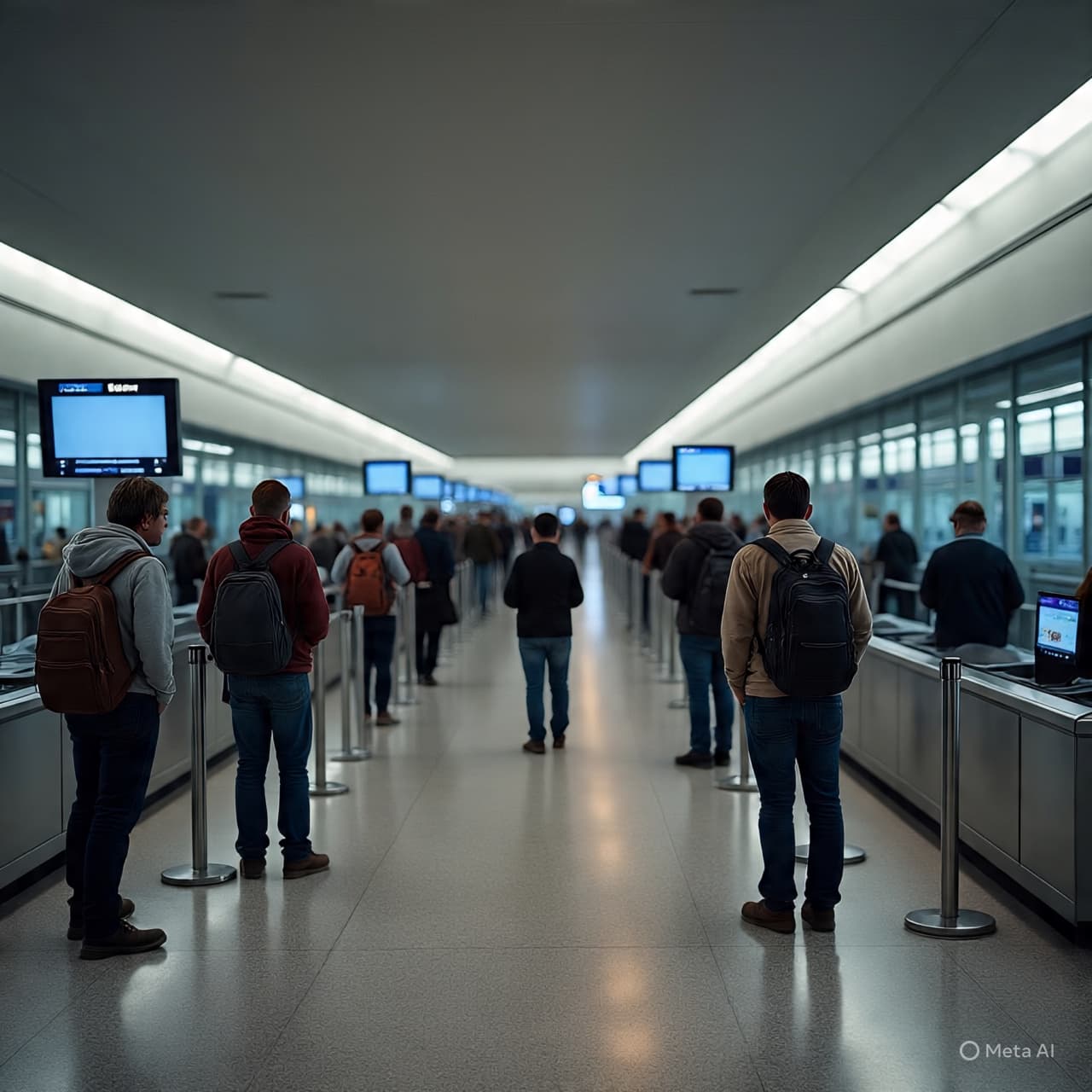
Travelers may not yet feel the full impact of these behind-the-scenes dynamics, as flights continue to depart and security lines remain operational. However, discussions about contingency planning and operational resilience are quietly taking place among agency leaders. The longer the funding dispute continues, the more attention shifts from abstract policy debates to the tangible impacts on services and personnel.
The broader funding dispute extends beyond aviation, affecting multiple components of the DHS. Negotiations in Congress are shaped by competing priorities and policy considerations, with lawmakers on all sides engaged in discussions aimed at reaching a resolution. However, the timing of any agreement remains uncertain, leaving agencies to navigate a landscape defined by temporary measures and short-term extensions.
Observers note that funding standoffs are not unprecedented, but each situation carries its own unique context and consequences. As the uncertainty lingers, the TSA's message remains measured, recognizing potential strain rather than declaring an immediate crisis. This serves as a reminder that even systems designed for resilience have limits, particularly when foundational support is unsettled.
As negotiations continue, the outcome remains open. Lawmakers are working to reach an agreement, but until then, the machinery of air travel continues to operate under routines that have not yet been disrupted. The possibility of disruption lingers quietly in the background, unseen but not entirely absent. For now, airports remain open, lines continue to move, and the resolution to this funding standoff waits just beyond the present moment.
Published by Banx Network. This article is part of the Banx decentralized media programme, powered by the BXE token on the XRP Ledger.




