
Key Highlights
- Recent travel disruptions in Turkey have affected flights, trains, and road travel.
- Weather conditions and operational challenges are primary causes of delays.
- Authorities are implementing measures to minimize disruptions and enhance safety.
Travel often carries with it an unspoken promise of ease—a gentle unfolding of experiences shaped by place and time. Yet sometimes, that promise meets interruption, not as a failure, but as a reminder of how many forces shape even the simplest journey. In Turkey, recent disruptions have quietly altered the rhythm of travel once again.
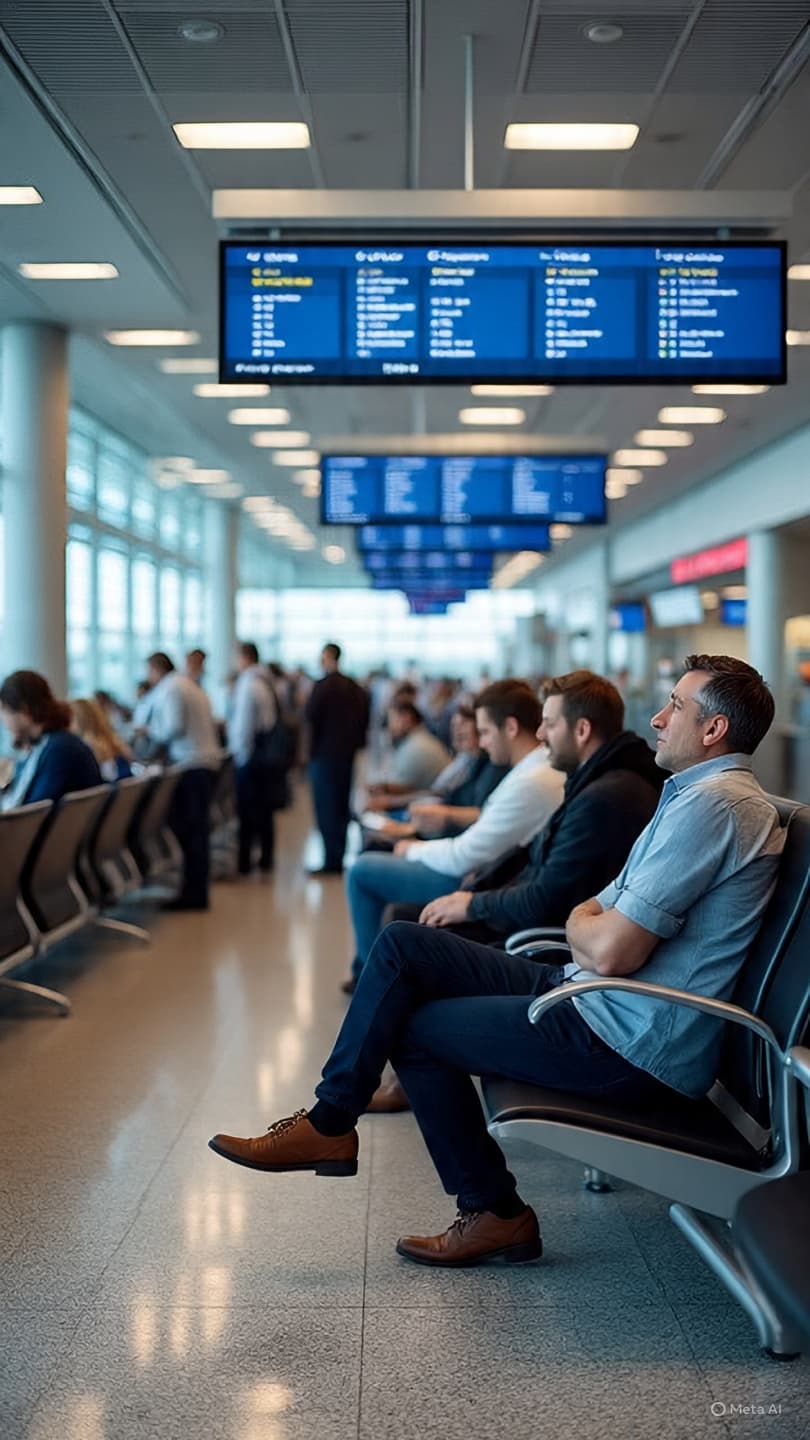
Transportation networks, particularly in major cities like Istanbul and Ankara, have faced intermittent delays due to a combination of weather conditions and operational challenges. Heavy rainfall and strong winds have led to flight cancellations and delays at major airports, while train services have also been impacted. Road travel has not been spared, with traffic congestion exacerbated by adverse weather and ongoing construction projects. These delays create a ripple effect across schedules and expectations, leaving travelers in unexpected moments of waiting—spaces between departure and arrival that can be frustrating and disorienting.
Authorities continue to respond with adjustments aimed at minimizing disruption and maintaining safety. Communication systems provide real-time updates to travelers, while infrastructure adapts to changing conditions. Airlines and transportation companies are working to improve their contingency plans, ensuring that passengers are informed and accommodated during these interruptions. Though the interruptions may seem temporary, they reflect a broader reality: that movement, in all its forms, depends on a delicate balance of factors, including weather, technology, and human decision-making.
As systems stabilize, travel resumes its familiar flow. Yet within that flow remains a subtle awareness—that every journey, no matter how planned, carries within it the possibility of pause. Travelers are encouraged to remain flexible and patient, recognizing that these moments of delay can also offer opportunities for reflection and connection. In a world that often prioritizes speed and efficiency, these pauses can serve as reminders of the importance of the journey itself, not just the destination.
In conclusion, the recent travel disruptions in Turkey highlight the fragility of modern travel systems. As travelers navigate these challenges, it is essential to remain informed and adaptable, embracing the unpredictability that often accompanies travel. The hope is that with continued improvements in infrastructure and communication, the travel experience can become more resilient in the face of future disruptions.
Published by Banx Network. This article is part of the Banx decentralized media programme, powered by the BXE token on the XRP Ledger.



