
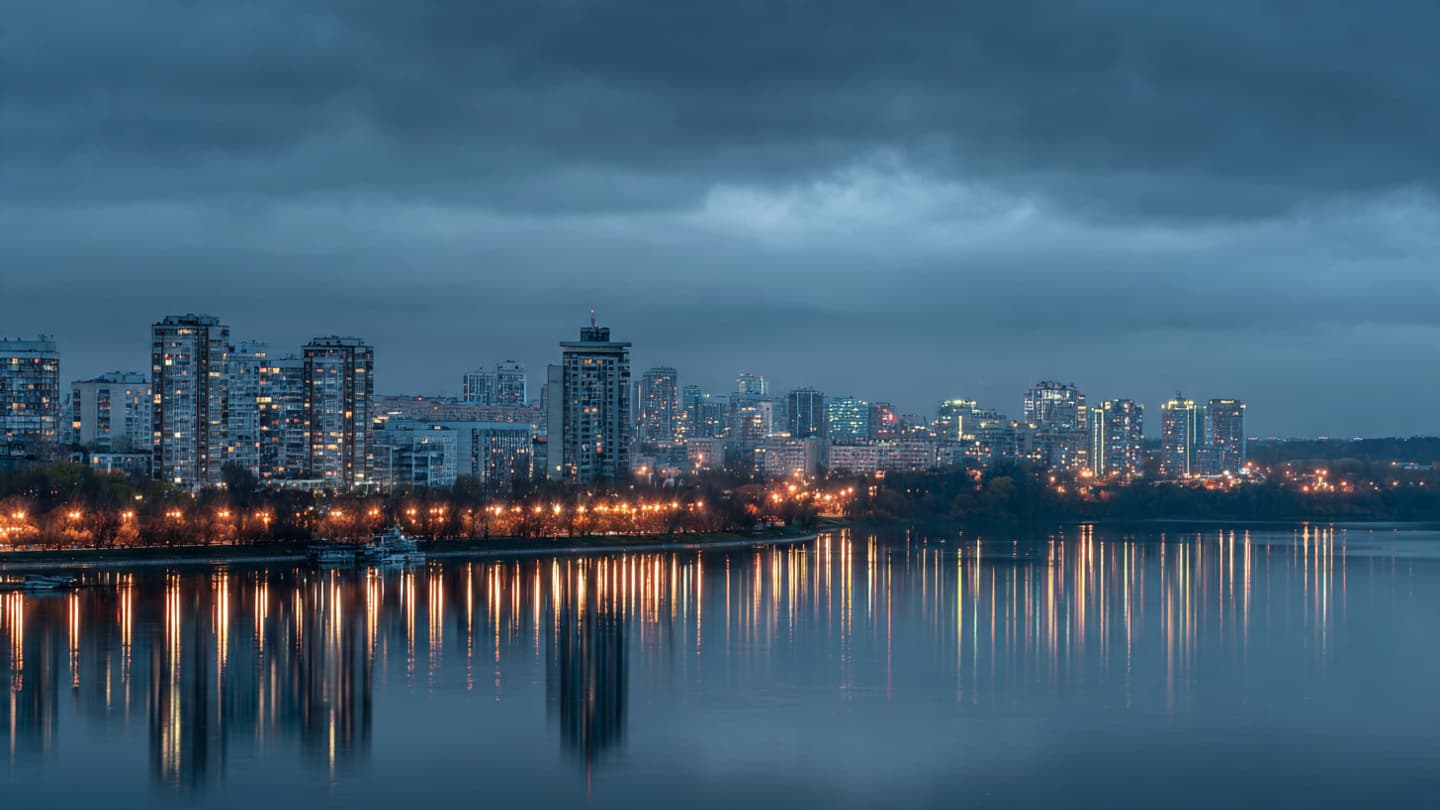
Morning arrives differently in cities that have learned to measure time through alerts and interruptions. In Kyiv, dawn often enters quietly, brushing apartment blocks and church domes with pale light before sirens disturb the stillness again. Cafés reopen, trains continue moving underground, and people walk quickly through streets where ordinary routines coexist beside the architecture of uncertainty.
Far away in Brussels, inside the restrained calm of diplomatic corridors, another kind of alarm recently unfolded. European Union officials summoned Russia’s envoy after Moscow issued statements urging foreign governments to leave Kyiv, remarks that European leaders viewed as both provocative and destabilizing amid the continuing war in Ukraine.
Diplomacy, at moments like these, becomes a language of controlled gestures. Summoning an ambassador is neither spectacle nor theater. It is a ritual of tension — a formal expression that something spoken publicly has crossed into dangerous territory. Behind polished meeting tables and carefully prepared statements lies the recognition that words themselves can alter the emotional climate surrounding a conflict already shaped by exhaustion and fear.
The Russian statements came as missile strikes and drone attacks against Ukrainian cities have continued through recent months, keeping residents in a state of prolonged vigilance. Kyiv, though no longer under the immediate threat of encirclement that marked the earliest phase of the invasion, remains exposed to intermittent aerial attacks that target infrastructure, energy systems, and military facilities.
European officials interpreted the warnings to foreign governments as an attempt to intensify psychological pressure around the Ukrainian capital. Several embassies have remained operational in Kyiv despite the war, serving both practical and symbolic purposes. Their presence signals international recognition of Ukraine’s sovereignty and an ongoing commitment to diplomatic engagement even under wartime conditions.
For many Ukrainians, the city itself has become a symbol of endurance. Streets once associated primarily with culture, universities, and riverside parks are now also linked to resilience — generators humming outside buildings during blackouts, sandbags stacked beside monuments, and subway stations doubling as shelters during air raids.
The European Union’s response reflects a broader pattern that has emerged throughout the conflict: the steady calibration between deterrence and restraint. European governments continue balancing military support for Ukraine with efforts to avoid wider escalation involving NATO and Russia directly. Every statement, sanction package, or diplomatic rebuke unfolds within that narrow and carefully monitored space.
Meanwhile, the emotional geography of Europe has shifted under the weight of the war. Capitals once separated from the conflict by psychological distance now discuss security with renewed urgency. Border states strengthen defense systems, while discussions surrounding energy security, cyberattacks, and hybrid warfare increasingly shape policy conversations across the continent.
In Kyiv itself, daily life persists with a kind of determined rhythm. Bookstores remain open. Schools adapt around interruptions. Couples continue marrying despite uncertainty. The continuity of ordinary existence has become, in subtle ways, a form of resistance against the instability imposed from above.
Yet beneath those routines lies the awareness that diplomacy alone cannot quiet the skies. Russia’s warnings, and Europe’s formal response, emerged during a period when battlefield momentum remains contested and negotiations toward any durable settlement appear distant. The war has settled into a prolonged struggle shaped not only by territory and weaponry, but also by endurance — political, economic, psychological, and human.
The summoning of an envoy may seem small compared to the scale of destruction elsewhere in the conflict, but diplomacy often records history through incremental gestures. A closed-door meeting, a carefully phrased condemnation, or a symbolic refusal to withdraw can reveal how nations attempt to hold fragile international norms together during periods of instability.
As evening returns to Kyiv, lights flicker across apartment windows beside the Dnipro River. Somewhere, another air-defense system scans the dark horizon. In Brussels, officials prepare new briefings and statements beneath the muted glow of government buildings.
And between those two cities — one living beneath threat, the other negotiating its response from afar — Europe continues navigating the uneasy space where diplomacy and war now move side by side.
AI Image Disclaimer: Illustrations accompanying this article were generated with AI and are intended as visual interpretations rather than documentary images.
Sources:
Reuters BBC News Associated Press Politico Europe The Guardian
Published by Banx Network. This article is part of the Banx decentralized media programme, powered by the BXE token on the XRP Ledger.

.jpg&w=3840&q=75 "Russia Turns Black Sea Into World’s Deadliest Shipping Route as More Than 570 Ships Are Hit")
