In the cool pull of early spring, when light softens just before the bustle of summer crowds, the great arteries of American travel—its airports—breathe unevenly. There is a hush, then a sigh, like wind through half‑open doors, at terminals that should be humming with the anticipation of journeys yet to arrive. Instead, here and there, voices ripple through lines that stretch under windowsill light, as travelers glimpse not just destinations but the invisible clockwork of preparation faltering beneath their feet.
The horizon of summer looms with the promise of the 2026 FIFA World Cup, a moment when fans from far‑flung corners of the globe will thread their stories through these halls, seeking passage and place in a country stitched together by runways and skylines. But weeks before the opening whistle, the quiet has turned taut: lines ripple and stall; wait times, once measured in comforting minutes, hover now in multitudes of hours. In Houston, travelers have traced the length of queues that curl like restless rivers, traceable only by the patience dulling on their faces. Some airports see security lanes shuttered, checkpoints reduced to shadows of themselves and only a fraction of usual staff clearing the flow of bodies and suitcases.
Behind the scenes, the story is one of absences rather than presences. A partial shutdown of the Department of Homeland Security has meant that the Transportation Security Administration — the silent sentry of air travel — has watched waves of its own miss paychecks and, in turn, miss work. Those who remain scrape through shifts with depleted ranks, while those who have departed speak of unpaid bills and nights without sleep. The head of the agency has called the scene a “perfect storm”: an austere, quiet collapse of readiness at the very moment when the country should be preparing for an influx of international faces and flags.
In quiet corners of waiting areas, older couples clutch boarding passes and young children tug at lanyards, unaware of the budgetary tangle behind the endless lines. Parents speak in hushed tones of delayed flights and the uncertainty of arrival times. Elsewhere, federal immigration officers — agents from a different bureau altogether — stand in familiar dark uniforms, their presence intended to soothe, to assist with the crush of travelers. Yet their roles are not those of trained screeners, and their very appearance evokes mixed comfort and concern among those passing through.
This is not an image of chaos draped in chaos, but a tableau of quiet tension: every airport terminal a waiting room of the unexpected, each PA announcement a reminder of still‑open questions. In the distance, the World Cup’s promise flickers, its arrival edging closer in time even as the apparatus meant to usher people toward it grapples with strain. The lights that drape across stadiums and fan zones are not yet lit, but the corridors meant to carry hopeful supporters are already lined with long shadows of delay and deliberation.
And so the story, soft as dusk, folds into a larger rhythm of nation and necessity: the rhythms of seasonal migration, of games drawing near, of the intricate choreography of people crossing thresholds. It is a reminder that even as excitement builds for June, for goals scored and songs sung, there is a present moment of waiting — quiet, heavy, and undeniably human — before that first whistle ever blows.
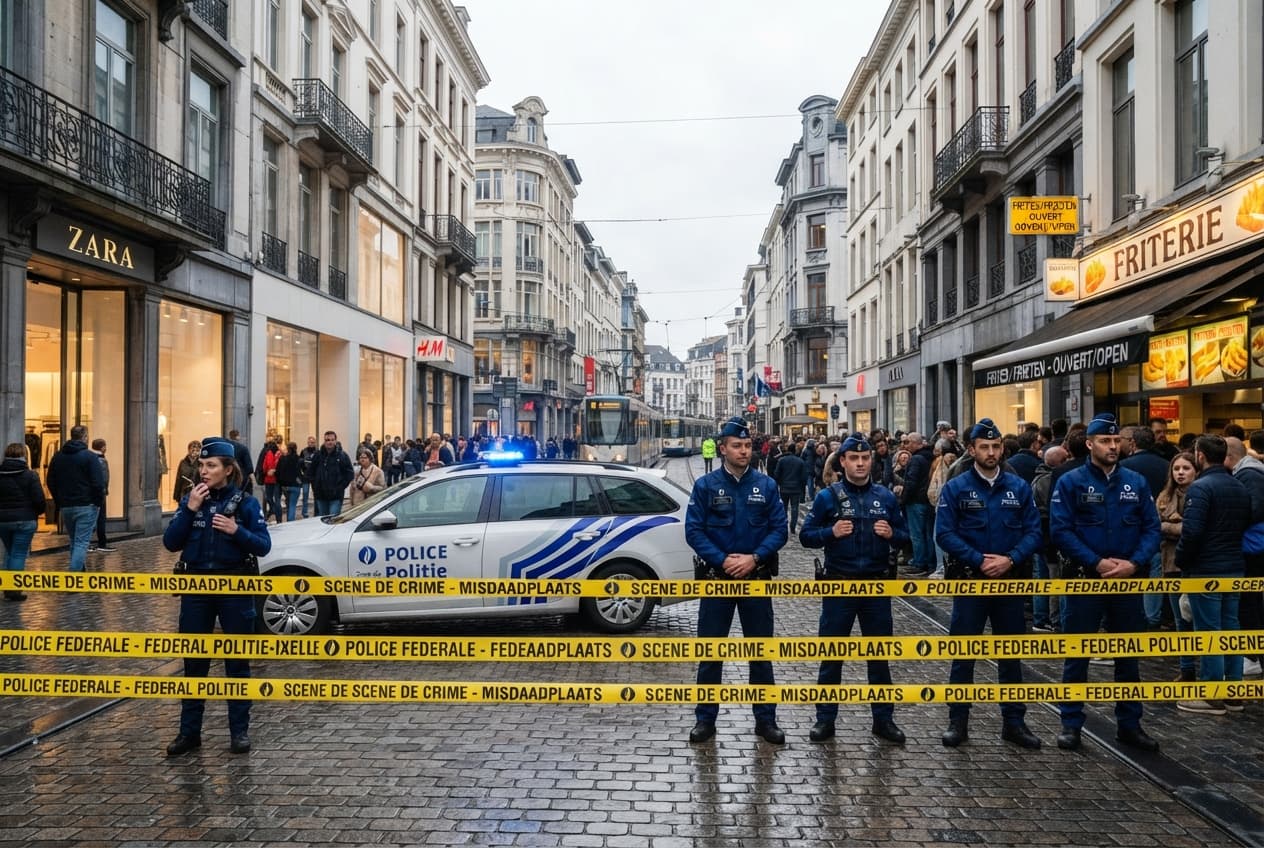
AI Image Disclaimer Visuals are AI‑generated and serve as conceptual representations.
Sources The Guardian The Washington Post The Daily Beast Reuters Business Insider
Published by Banx Network. This article is part of the Banx decentralized media programme, powered by the BXE token on the XRP Ledger.