
Key Highlights
- Iran's vice president claims a forthcoming 'great victory' amid regional tensions.
- The country faces economic pressure and military threats from the U.S. and allies.
- Diplomatic efforts continue alongside military preparedness in the Middle East.
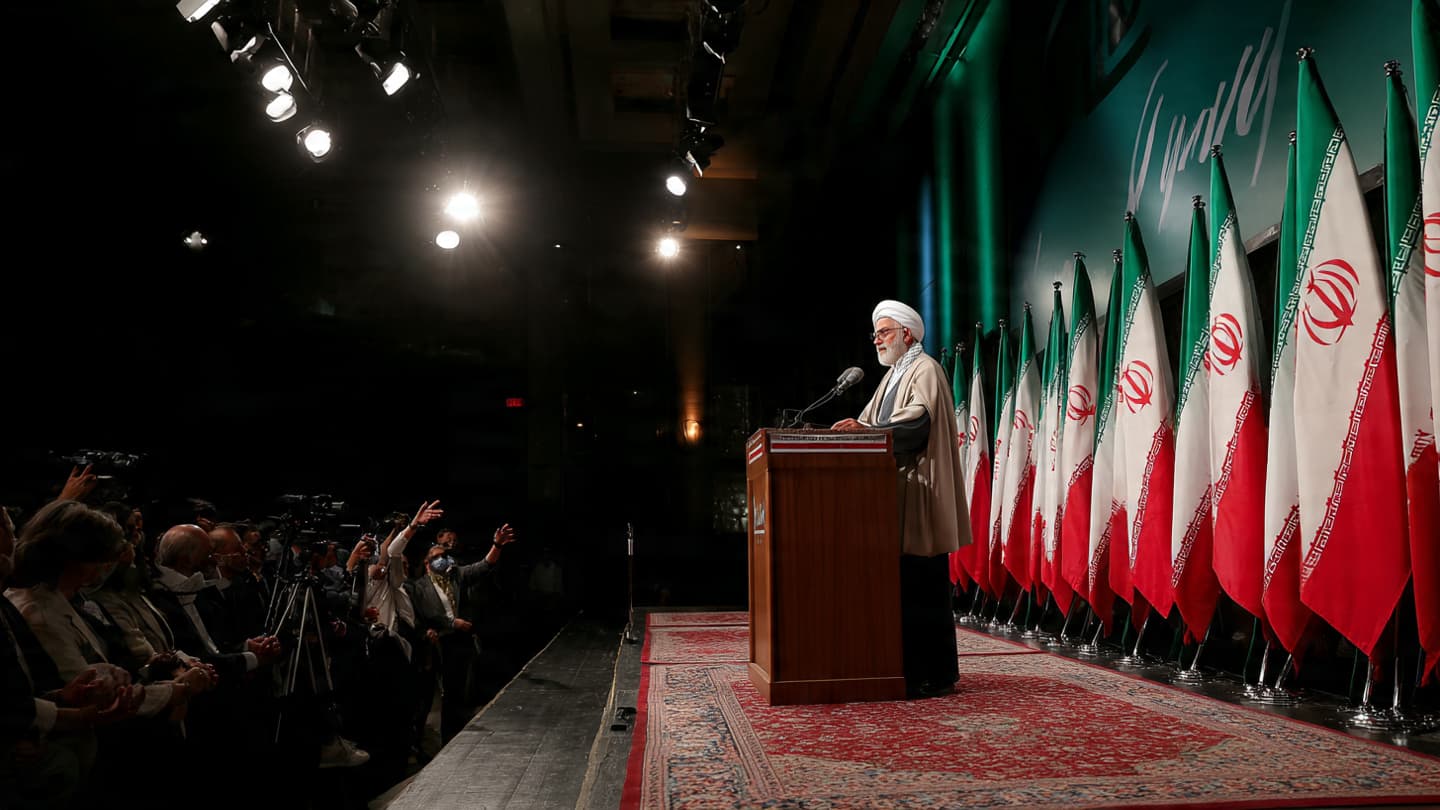
Iran's political landscape is currently marked by a blend of defiance and diplomacy, as highlighted by recent remarks from the country's vice president. During a public address, he asserted that Iran would soon celebrate a 'great victory' over its adversaries, a statement that comes amid heightened tensions with the United States and its allies in the Middle East. This rhetoric is part of a broader narrative that Iranian officials have adopted, emphasizing resilience and national unity in the face of external pressures.
The vice president's comments were made during an event attended by government supporters and military representatives, signaling a concerted effort to project confidence domestically and internationally. Reports from various media outlets indicate that Iranian leaders are increasingly framing their responses to external threats as a demonstration of strength and endurance. This approach serves to bolster internal morale while simultaneously sending a message of resolve to foreign adversaries.
In recent weeks, military exchanges near the Strait of Hormuz have intensified concerns regarding regional security. The Iranian government has been vocal about its military capabilities, particularly regarding missile technology and maritime security. Analysts suggest that this rhetoric is not merely for show; it reflects a strategic calculation aimed at influencing negotiations and public perception during a time of crisis.
Despite the aggressive posturing, diplomatic channels remain open. Various regional powers and international mediators are quietly working to de-escalate tensions, emphasizing the need for renewed dialogue. Observers note that while public statements may signal a readiness for conflict, they often serve a dual purpose, allowing governments to navigate complex geopolitical landscapes without immediately resorting to military action.
Within Iran, state media has been highlighting themes of resistance and technological advancement, portraying the nation as capable of withstanding prolonged sanctions and external threats. This narrative is crucial for maintaining public support and reinforcing the government's legitimacy in the eyes of its citizens.
Internationally, reactions to the vice president's speech have been measured. Several governments have reiterated calls for restraint and emphasized the importance of diplomatic engagement. Analysts warn that the region remains fragile, and any miscalculation could lead to further escalation.
As Iran continues to navigate this challenging environment, the vice president's remarks underscore the ongoing contest of messaging and strategy that characterizes modern geopolitical conflicts. While declarations of strength are prevalent, the underlying quest for diplomatic solutions persists, highlighting the complexities of international relations in a volatile region.
Published by Banx Network. This article is part of the Banx decentralized media programme, powered by the BXE token on the XRP Ledger.



