There is a soft kind of patience in deep time, the way a river shapes stone over eons or a tree’s rings tell of every passing season. In Earth’s history, the opening of oceans is like that — not a sudden event but a long dialogue between forces we can barely imagine, written in the language of rock and heat. For decades, geoscientists have pondered the deep roots of one such dialogue — the birth of the North Atlantic — wondering whether it was sparked by a plume of hot rock rising from below or pulled apart by the steady movement of tectonic plates. Now, basalt cores dredged from the ancient seafloor are offering new lines in that quiet conversation.
About 56 million years ago, the ancient landmasses that would become Europe and North America began to drift apart, making space for what we now call the North Atlantic Ocean. In that era, layers of molten rock welled up as the crust stretched and thinned, creating vast volcanic deposits that would one day become known as the Vøring Plateau. Geologists have long debated whether this great outpouring of magma was driven primarily by a deep, superheated mantle plume — a sort of upwelling from near the core of our planet — or by the simple mechanics of plate tectonics pulling the crust apart. Both ideas have their champions, and for years the debate was as wide and deep as the ocean itself.
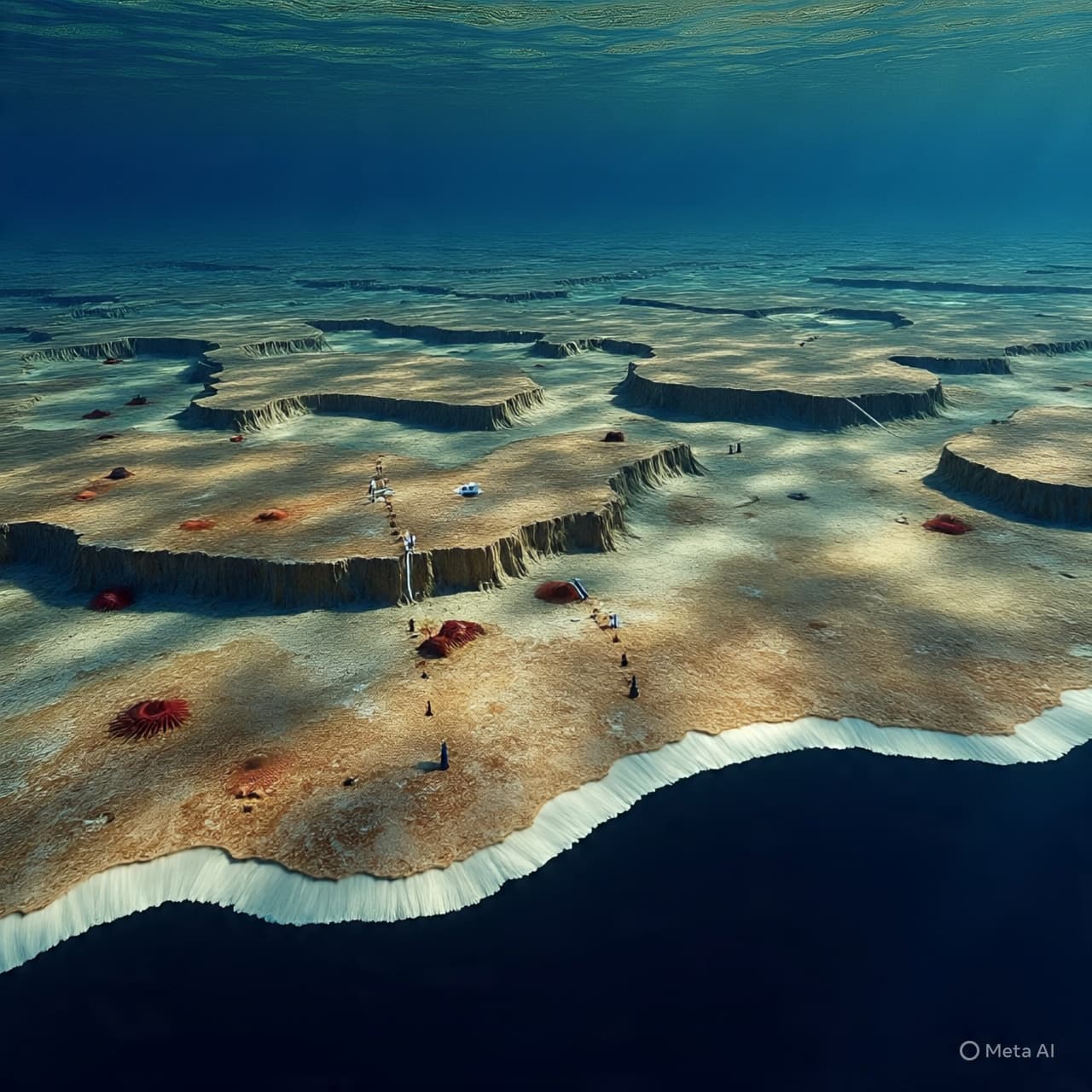
In a recent study led by University of Utah scientists, researchers examined the chemistry and mineral makeup of basalt cores extracted from the seafloor off the coast of Norway. These rock samples act like time capsules, encoding the conditions under which they formed as the ancient crust fractured and magma flowed to the surface. What the team found was a distinct change in mineral chemistry that coincided with the peak of volcanic activity — a change that points less to a steady, blistering plume rising from the deep mantle and more to the effects of the lithosphere — Earth’s outer shell — thinning under tension.
This shift in mineralogy, particularly the enrichment of certain minerals like clinopyroxene, suggests that the molten rock derived increasingly from shallower, previously intruded materials as the crust pulled apart. This pattern fits with a picture in which tectonic stretching made it easier for existing melts to rise and mix, rather than requiring an extraordinary thermal anomaly deep below. In this view, rifting and plate motion played the central role, with deep mantle dynamics acting more as a background hum than the main melody.
Such insights find support in broader research on the North Atlantic region. Studies using seismic imaging and gravity data reveal variations in lithospheric thickness that may have focused volcanic activity where the crust was thinnest, hinting at the interplay between local plate structure and deeper processes. Meanwhile, geodynamic models suggest that the breakup of continents and the formation of new ocean basins involve a continuum of mechanisms — from mantle‑driven uplift and magmatism to tectonically forced stretching of the crust.
Yet these debates are rarely about exclusivity. Rather, they remind us that Earth’s engine is complex, a weave of forces deep and shallow that together write the history of continents and seas. Basalts, once molten and now solidified into the silent seafloor, offer one of our clearest keys to interpreting that history. As these cores reveal their secrets through careful chemical and statistical analysis, they suggest that plate tectonics — the steady dance of lithospheric fragments — played a more significant part in the North Atlantic’s opening than some plume‑centric models once held.
In scientific terms, this doesn’t render mantle plumes irrelevant. Instead it refines their role, placing them within a tapestry of tectonic forces and structural heterogeneities. Researchers emphasize that the magnitude of magmatism, the distribution of volcanic features, and the timing of continental separation are products of multiple dynamics woven together over millions of years. Basalt cores, in this sense, act like letters from the past, arriving at our offices millions of years after they were written.
What these findings encourage is not a simple answer but a richer understanding — of how Earth’s deep heat and surface motions collaborate in complex choreography, and how every rock can be read as a page in a story much larger than ourselves.
In the latest research published in Geochemistry, Geophysics, Geosystems, the analysis of basalt core chemistry from the Vøring Plateau suggests that lithospheric thinning due to tectonic extension played a central role in the volcanic activity associated with the North Atlantic’s breakup, offering new evidence in the longstanding debate between mantle plume and plate tectonic explanations.
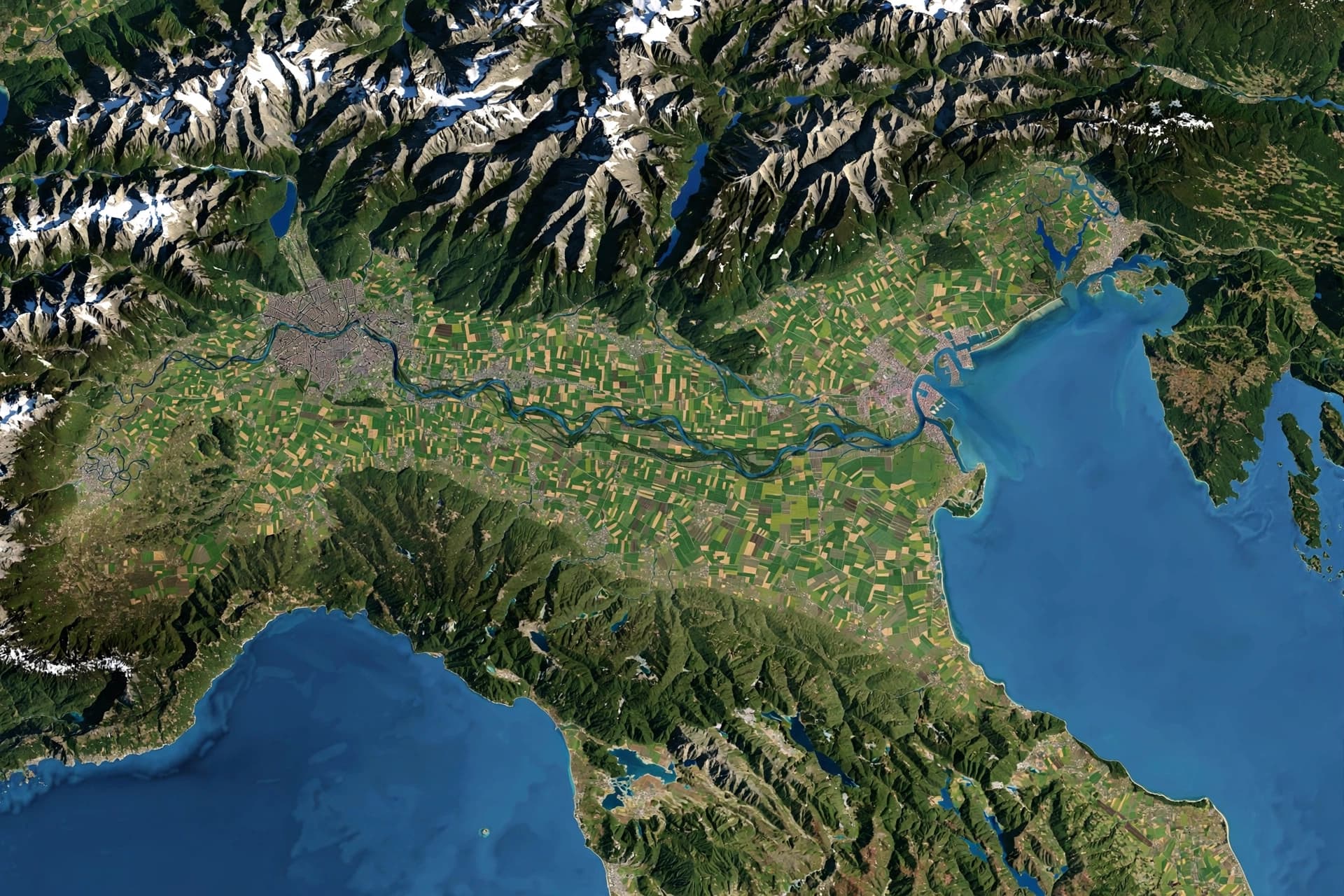
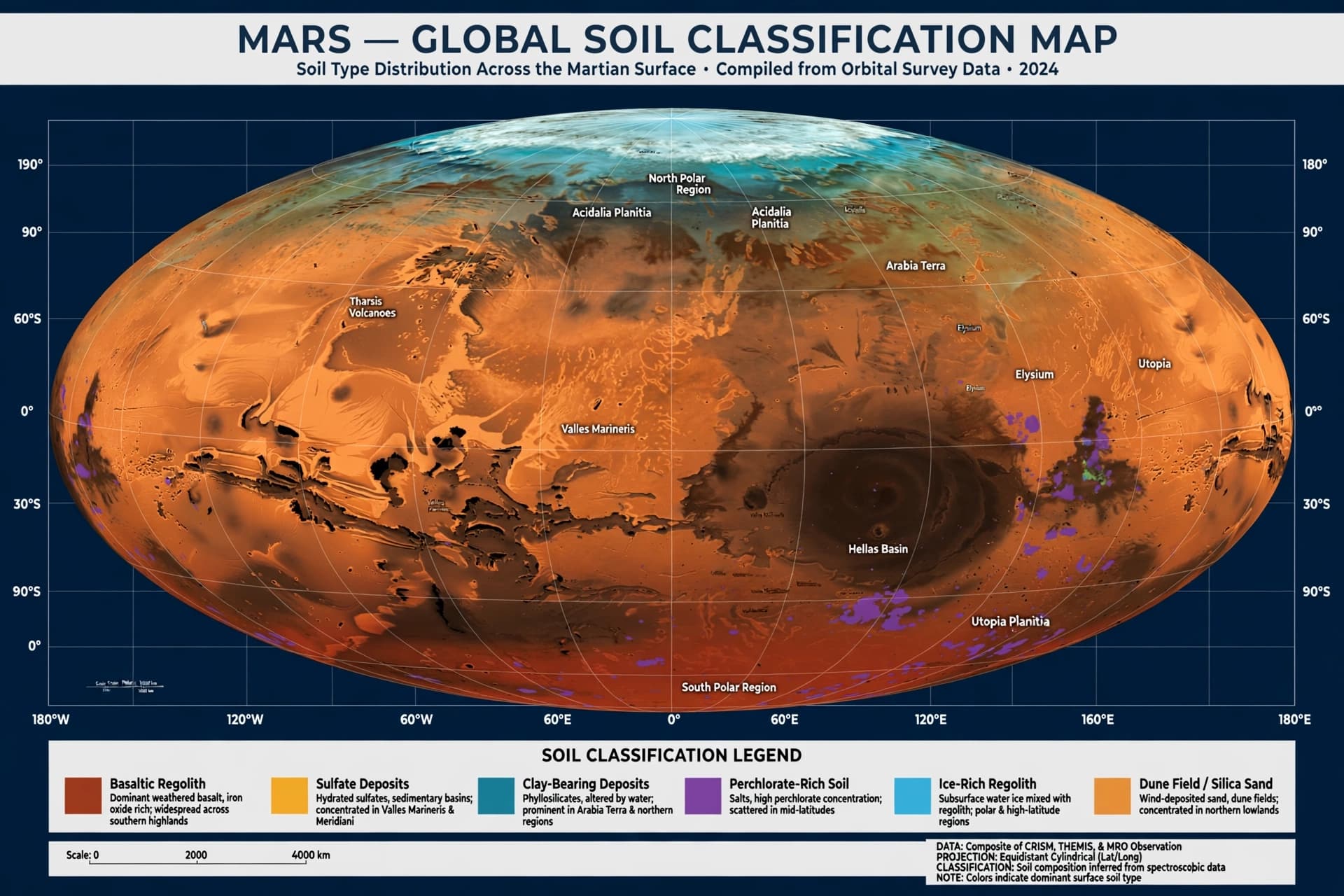
AI Image Disclaimer Graphics are AI‑generated and intended for representation, not reality.
Credible sources found on this topic:
Phys.org (recent research summary) ScienceDaily (context about mantle plume & tectonic interplay) European Space Agency (ESA) (context about lithosphere thinning) Nature Communications Earth & Environment (continental breakup mechanisms) EGU General Assembly abstracts on plume‑tectonic relationships
Published by Banx Network. This article is part of the Banx decentralized media programme, powered by the BXE token on the XRP Ledger.