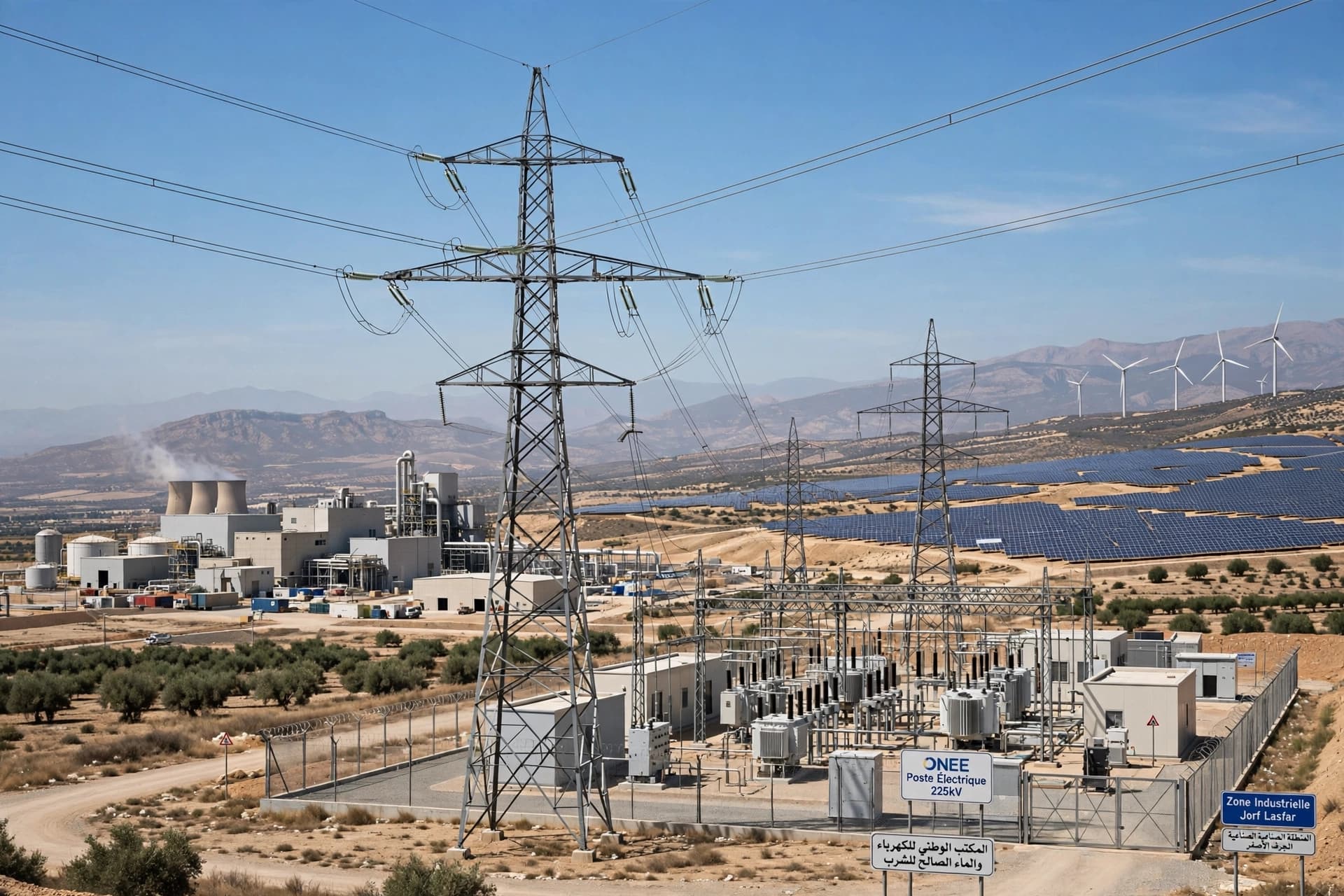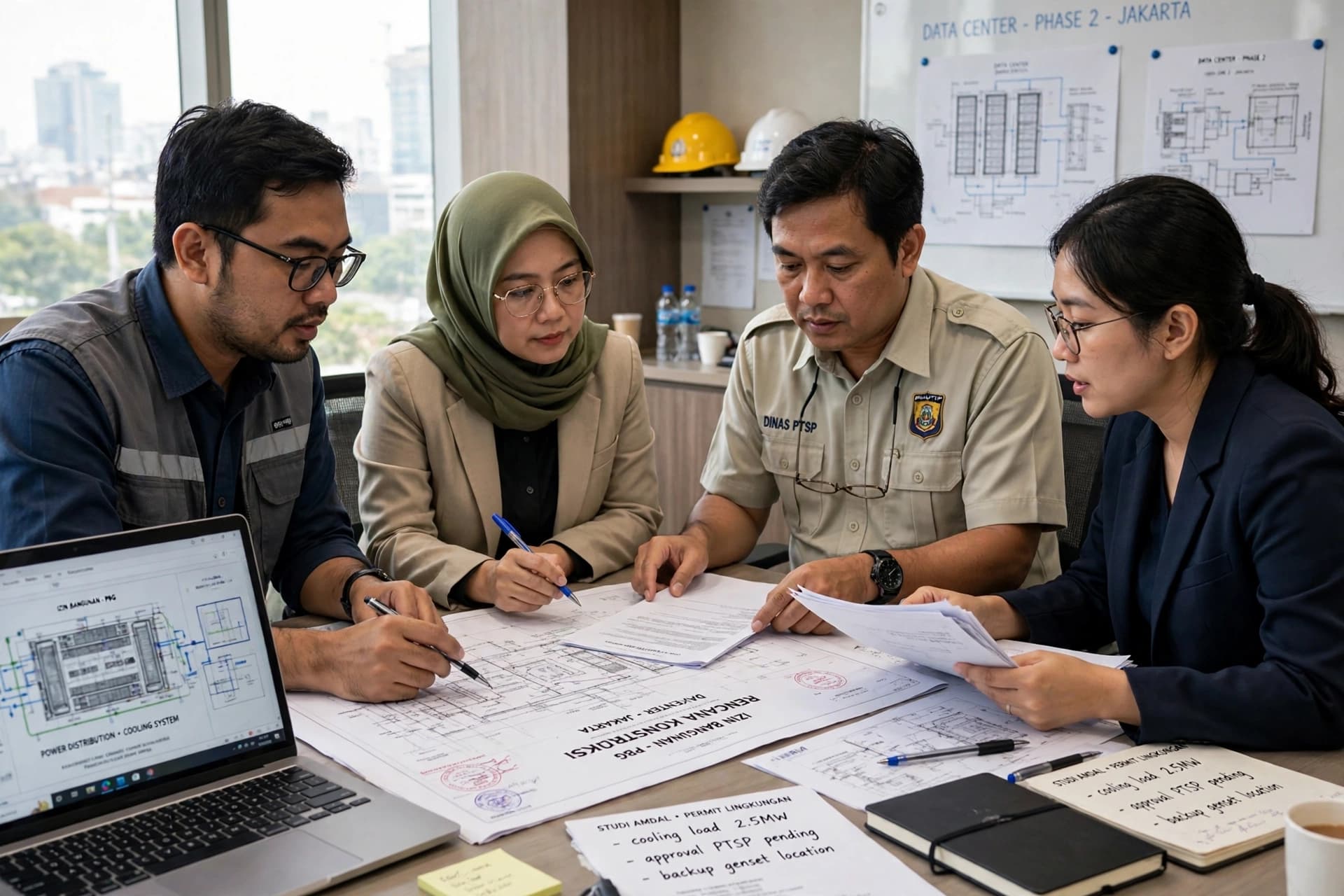
The physical side of the digital economy can sometimes appear only after the servers arrive, the buildings rise, and the electricity begins to flow. Before any of that can happen, however, there are permits, environmental requirements, infrastructure plans, and local regulations.
An Indonesian governor has ordered a halt to a data center project after authorities found that required permits had not been obtained. The decision highlights the regulatory framework surrounding Indonesia's rapidly expanding digital infrastructure sector.
Data centers have become increasingly important as demand grows for cloud computing, online services, artificial intelligence, digital payments, and data storage. Companies investing in these facilities often require significant amounts of land, electricity, water, and telecommunications infrastructure.
That scale means data center development can affect more than the companies operating the facilities. Local authorities may need to consider electricity availability, water resources, traffic, environmental impacts, construction standards, and land-use regulations.
Permits provide a mechanism through which those issues can be reviewed before construction or operation proceeds. They can also establish responsibilities for developers and local authorities.
For Indonesia, the incident comes as the country seeks to attract more investment in digital infrastructure. Government efforts to expand the digital economy have created opportunities for data center operators, cloud-service providers, and technology companies.
At the same time, rapid investment can create pressure on existing infrastructure. A large data center may require substantial electricity capacity and reliable connectivity, while its cooling systems can require additional resources.
The regulatory pause therefore illustrates one of the practical tensions surrounding digital expansion. A project may represent significant technological and economic investment, but it still has to operate within the physical and legal environment of the location where it is built.
For investors, clear permitting processes can also provide certainty. Knowing which requirements must be met before construction begins can help companies plan schedules, budgets, infrastructure, and compliance measures.
The broader development of Indonesia's data center sector will likely depend on how investment and regulation evolve together. Digital infrastructure needs space, electricity, water, networks, and legal approval—all of which exist in the physical world.
The servers may eventually become invisible to the people using the services they support. But before a digital facility can disappear into the background of everyday life, it must first meet the rules of the place where it stands. In this case, the pause serves as a reminder that Indonesia's digital future is being built not only with technology, but also with permits and infrastructure.
SEO SLUG
indonesia-data-center-project-halted-missing-permits
HASHTAGS
#Indonesia #DataCenter #Technology #DigitalEconomy #Infrastructure #CloudComputing #AI #Business
IMAGE DISCLAIMER
This AI-generated image is a conceptual representation of data center development and regulatory review and does not depict the actual project, company, facility, or officials involved.
SOURCES
Reuters Indonesian local government authorities Ministry of Communication and Digital Affairs Indonesia Investment Coordinating Board
Published by Banx Network. This article is part of the Banx decentralized media programme, powered by the BXE token on the XRP Ledger.