A medical record carries more than numbers. It contains a patient's history, patterns of illness, treatments, images and the accumulated decisions of people who have cared for that person. Singapore is now trying to teach artificial intelligence to understand that context more closely, using local clinical data to build models designed for its own healthcare system.
The initiative is called SIMFONI, or the Singapore Medical Foundation AI Model. The program is developing AI tools that can support clinicians with possible diagnoses, treatment pathways and next steps, while leaving final clinical decisions with healthcare professionals.
Unlike many existing medical AI models trained primarily on international datasets, SIMFONI is being adapted using Singapore's clinical practice guidelines and local clinical data. The intention is to make the models more closely reflect the population and healthcare environment in which they will eventually be used.
The first areas of focus are cardiometabolic and eye diseases, covering both primary and specialist care. These conditions were selected because of their importance to Singapore's population and because there are practical opportunities for AI to assist with diagnosis, risk identification and treatment planning.
The project sits within a larger digital transformation of Singapore's public healthcare system. The Ministry of Health is moving toward a common electronic medical record system across the three public healthcare clusters by 2028, while national platforms such as HEALIX are being used to bring together healthcare data, analytics tools and AI capabilities.
That infrastructure matters because artificial intelligence depends heavily on the quality of the information surrounding it. A sophisticated model cannot compensate for incomplete records, disconnected systems or unclear clinical processes. Singapore's approach therefore places digital infrastructure, data governance and clinical oversight alongside the AI models themselves.
Patient privacy is another part of the system. The Ministry of Health says SIMFONI will use de-identified patient data through the secure TRUST platform, which was established to support research, development and innovation. An independent Safety and Evaluation unit will test the models before deployment.
The ministry has also emphasized that healthcare AI should enhance rather than replace clinical judgment. AI-assisted clinical note-taking tools, for example, still require healthcare professionals to review the generated notes before they become part of a patient's clinical record.
That principle becomes especially important when algorithms move closer to diagnosis. An AI system may identify an unusual pattern in a scan or calculate a patient's risk, but deciding what that finding means for an individual remains a clinical task. The technology can provide another perspective without becoming the final voice in the room.
SIMFONI remains under development and testing, with the possibility of expanding to more specialties and private practitioners if the initial work proves successful. For now, Singapore is building a healthcare model in which artificial intelligence is expected to work alongside clinicians, supported by local data, national infrastructure and formal safeguards.
SEO-friendly slug: singapore-simfoni-ai-local-patient-data-healthcare
Hashtags: #Singapore #Healthcare #ArtificialIntelligence #AI #HealthTech #MedicalTechnology #Innovation
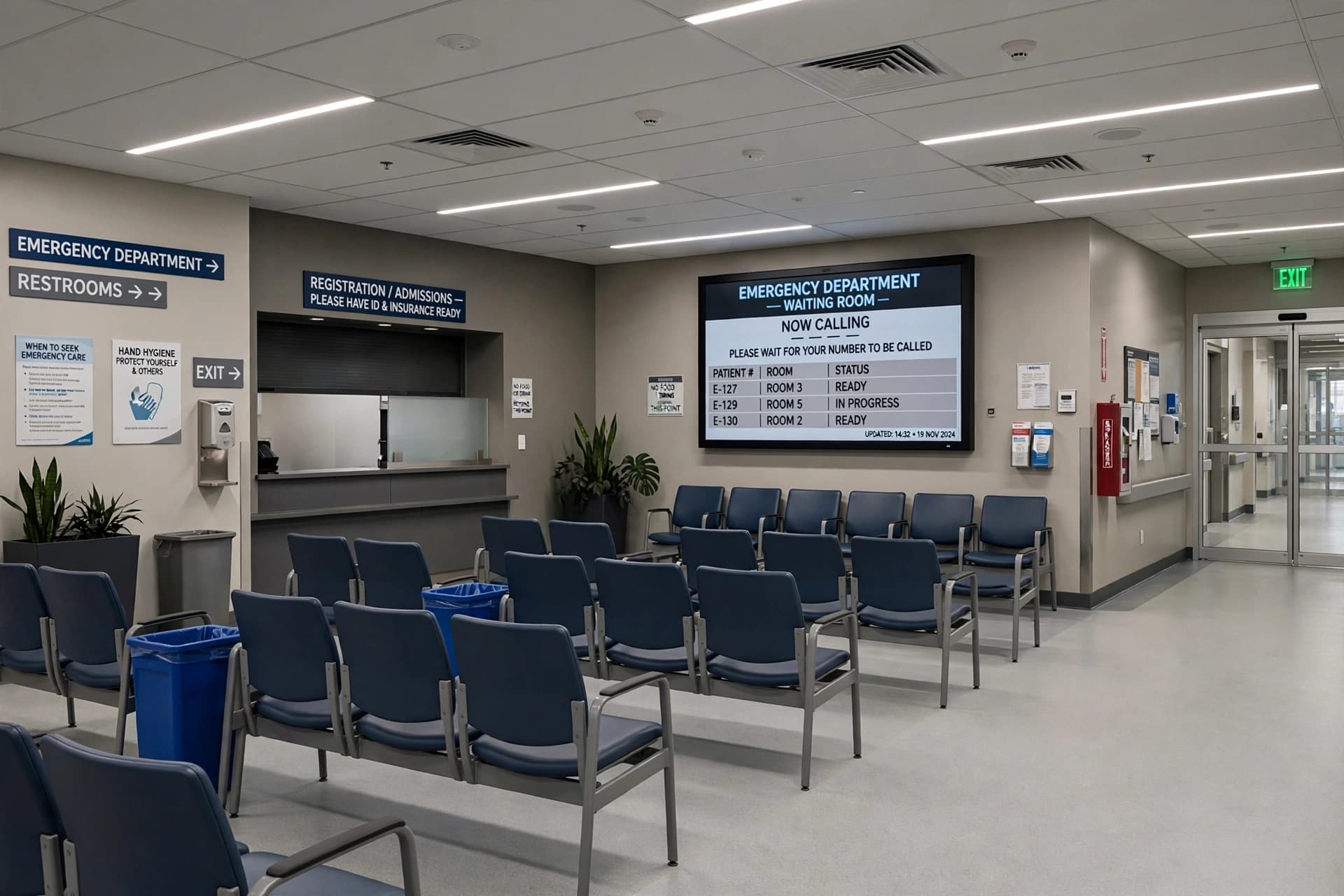
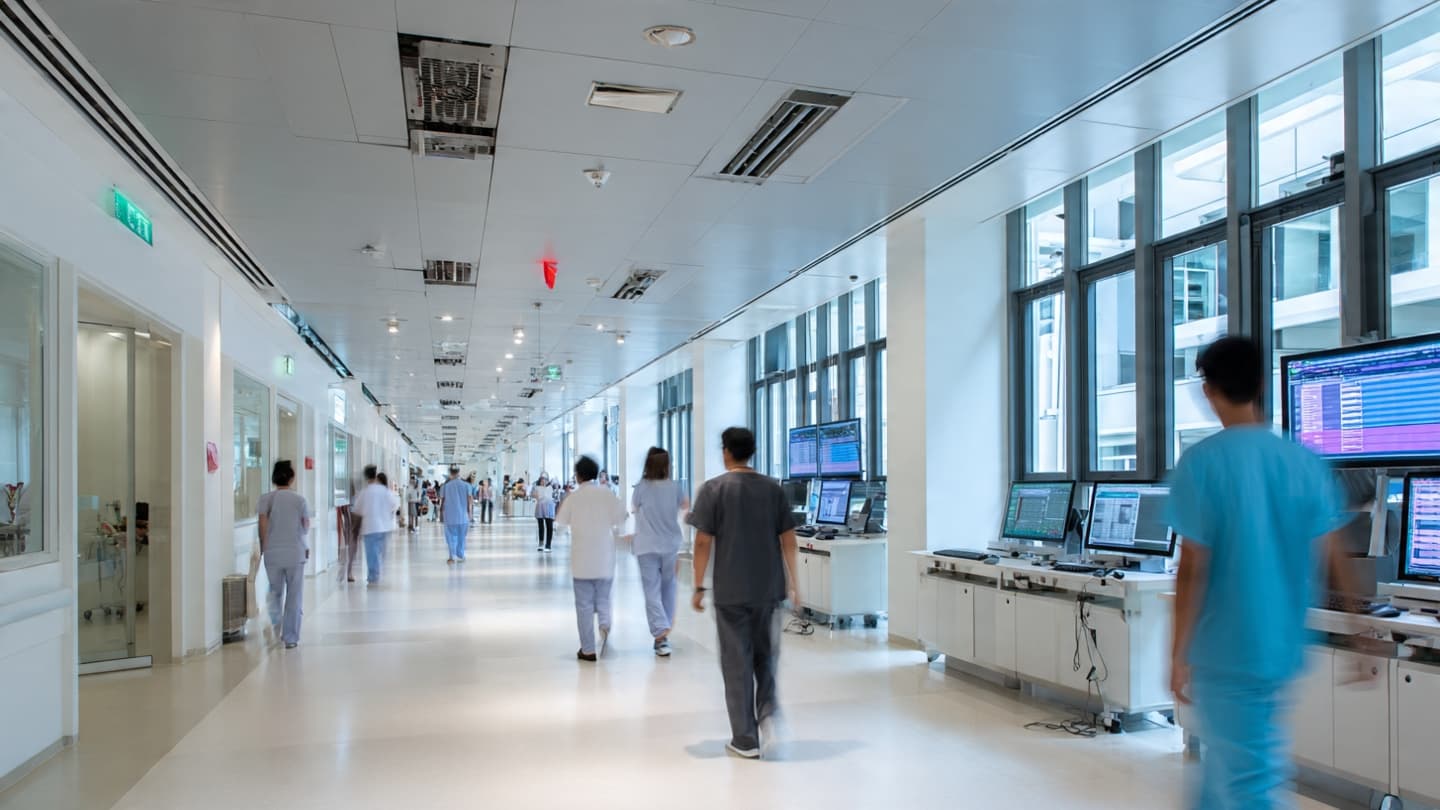
Image Disclaimer The illustrations were generated using AI tools for conceptual purposes and are not photographs of real patients, doctors, or hospitals.
Sources The Straits Times Ministry of Health Singapore
Published by Banx Network. This article is part of the Banx decentralized media programme, powered by the BXE token on the XRP Ledger.