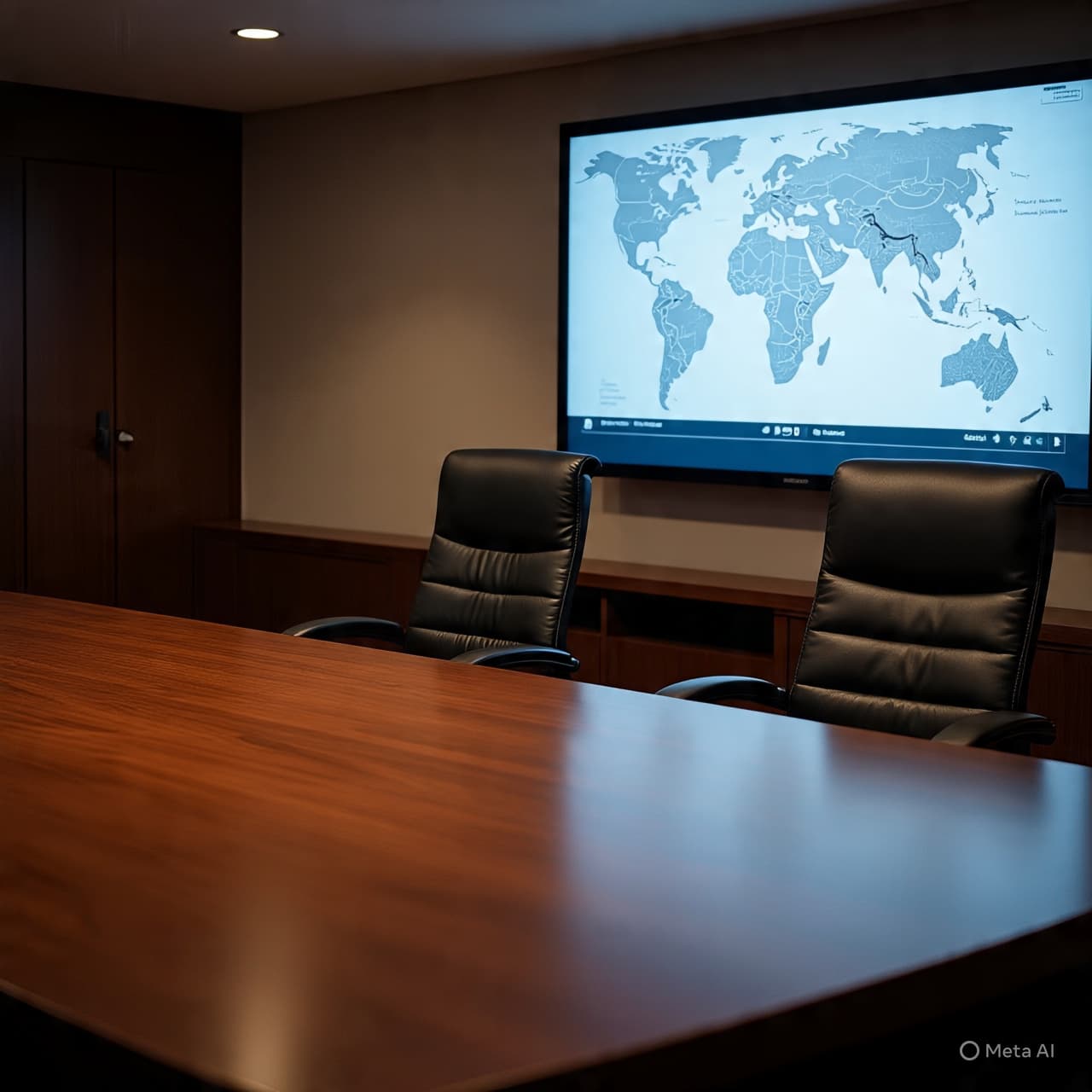
The horizon over Europe has, lately, seemed clouded — not with storm or smog, but with hesitation and unresolved promise. Beneath that sky, once filled with shared ambition, now lingers a silence: the silence of partners at odds. What was meant to be a soaring testament to unity — a next-generation fighter for a united Europe — has stalled, caught between competing visions, pride, and politics. In this quiet, the task ahead seems both urgent and frail.
For more than eight years, FCAS has stood as Europe’s grand dream: a sixth-generation combat aircraft, tethered to drones and a digital “combat cloud”, built collectively by France, Germany, and Spain. But today that dream teeters on the brink of collapse — bogged down in a bitter impasse between Dassault and Airbus over who leads the effort, who controls the technology, and who gets which piece of the work.
Under the surface, the fight is not just about planes. It is about prestige, industrial power, and Europe’s strategic identity. Dassault, with its storied legacy of building fighters, insists it should steer the core design and development. Airbus — representing Germany and Spain — pushes back: partnership means equality, not dominance. The clash over an estimated 80% work-share demand from Paris has deepened mistrust, threatening both the technical viability and political unity of the program.
But in the face of that standoff, the capitals of Paris and Berlin are re-asserting political will. Following a recent meeting between leadership in both countries, Berlin has drafted a “decision roadmap” — setting a mid-December deadline for industry bosses to sign a binding agreement on the future of FCAS. The plan also calls for air-force chiefs to review respective military requirements, essentially pulling the project back from purely corporate infighting into political oversight.
Yet trust remains fragile. Both Dassault and Airbus declined to comment publicly — a silence heavy with implication. Meanwhile, behind closed doors, other courses of action are being considered: the possibility that one party walks away; the chance of a minimal compromise focusing only on shared infrastructure (the “combat cloud”); or a clean split, where each builds separate jets under different banners.
Should that happen, the consequences could be profound. FCAS is not just a plane — it is a test of European defense cooperation, of industrial solidarity across nations, and of strategic autonomy in a turbulent world. For Europe’s future deterrence and defence posture, for hundreds of companies and thousands of jobs, and for the credibility of joint ambitions: the stakes run high.
In the hush between boardrooms and ministries, the deadline approaches. Whether the silence will be broken by a written pact or by the sound of departure remains uncertain. But for now, the dream of a unified European fighter — once destined to cut through clear skies — hangs in the balance.
AI Image Disclaimer Visuals are created with AI tools and intended for conceptual representation, not actual photographs.
Sources (media names) Reuters The Straits Times The Japan Times Defense-Aerospace Euronews
Published by Banx Network. This article is part of the Banx decentralized media programme, powered by the BXE token on the XRP Ledger.