Iran has said that its foreign-currency reserves remain sufficient despite continuing economic pressure, according to Reuters reporting published in September 2026.
The statement comes as Iran continues to operate under significant restrictions affecting international trade and financial transactions. Foreign currency remains important for purchasing goods, equipment, raw materials, and other products from overseas markets.
The strength of a country's reserves is therefore closely connected to its ability to maintain imports and manage external financial obligations. For an economy facing restrictions, maintaining access to foreign exchange can become especially important.
Iran’s economy has long depended on oil and other exports to generate foreign-currency earnings. Changes in export volumes, international prices, shipping conditions, and payment arrangements can all influence the flow of foreign exchange into the country.
At the same time, domestic demand for foreign currency can rise when businesses need to purchase imported materials or when households and companies seek protection against inflation and currency volatility.
The government’s assessment that reserves are sufficient provides one view of Iran’s financial position. Independent measurements of reserves, however, can be complicated when access to international financial systems is restricted and different forms of assets are counted differently.
The issue is also connected to the broader question of currency stability. When access to foreign currency becomes more difficult, exchange-rate pressures can influence the prices of imported products and materials.
For businesses, those changes can affect planning and operating costs. Pharmaceutical manufacturers, industrial companies, technology firms, and other businesses that rely on imported inputs can all be affected by movements in the currency market.
Iran’s statement about its reserves therefore sits within a larger economic landscape shaped by exports, imports, exchange rates, financial restrictions, and international trade.
For now, the government maintains that its foreign-currency position is adequate. The continuing flow of trade and the country’s ability to meet external demand for foreign exchange will remain important indicators of how that position develops over time.
SEO SLUG
iran-foreign-currency-reserves-economic-pressure-2026
HASHTAGS
#Iran #Economy #ForeignCurrency #ForexReserves #Business #Trade #Finance #EconomicPressure
IMAGE DISCLAIMER
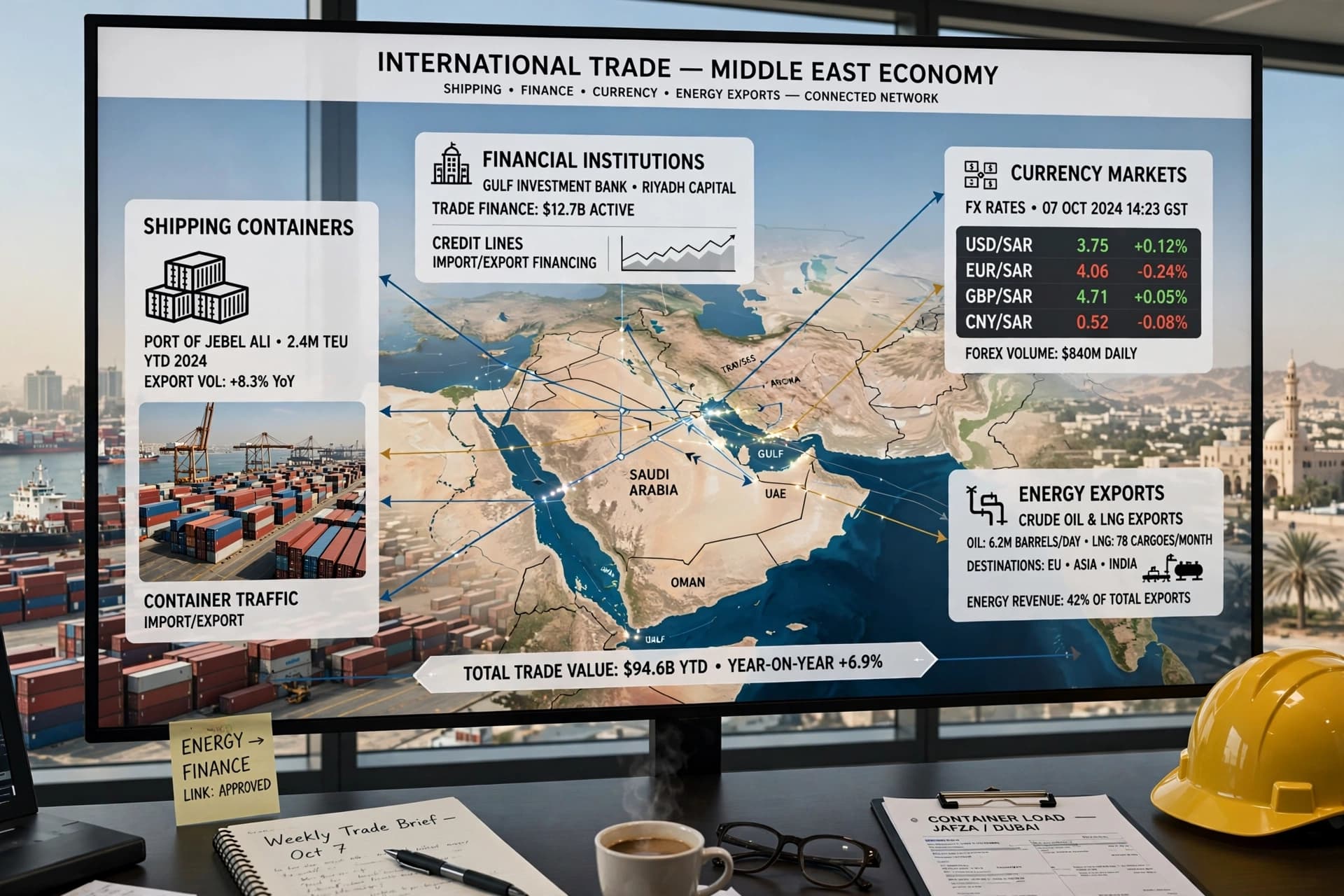
This AI-generated image is a conceptual representation of Iran’s foreign-currency reserves and economic conditions and does not depict actual financial records or government facilities.
SOURCES
Reuters International Monetary Fund World Bank
Published by Banx Network. This article is part of the Banx decentralized media programme, powered by the BXE token on the XRP Ledger.