In the hush of Ramadan evenings, when lantern light pools softly against courtyard walls and the call to prayer folds into the cooling air, the month carries its own fragile stillness. Across South Asia, families gather at dusk to break fast, dates placed gently on plates, water poured with quiet intention. It is a season shaped by restraint and reflection—by the hope that even long-standing tensions might soften, if only for a moment.
Yet along the rugged frontier between Afghanistan and Pakistan, the stillness has been punctured by the sound of airstrikes. Reports of cross-border military action in Afghan territory during the holy month have stirred diplomatic tremors in the region. In response, India publicly condemned the strikes, describing them as an “attempt to externalise internal failures,” language that signaled both disapproval and a broader critique of Islamabad’s security posture.
The contested borderlands have long been defined by complexity. Militant groups operating near the frontier, shifting allegiances, and overlapping claims of responsibility have created a landscape where sovereignty and security are in constant negotiation. Pakistani officials have maintained that their operations target militant threats posing risks within their own territory. Afghan authorities, meanwhile, have raised concerns over civilian impact and the violation of national boundaries.
India’s statement situates the episode within a wider regional narrative. New Delhi and Islamabad have shared decades of strained relations, marked by periodic escalation and diplomatic standoffs. By characterizing the strikes as a diversion from domestic challenges, India’s remarks reach beyond the immediate incident, pointing toward political currents within Pakistan itself. The language reflects a familiar pattern in South Asian diplomacy—sharp in phrasing, measured in delivery.
Ramadan lends additional resonance to the exchange. The holy month often carries expectations of reduced hostilities, though history shows that conflict rarely conforms neatly to the calendar. In Afghanistan, where decades of war have shaped daily life, each new flare of violence arrives layered atop old memories. In Pakistan, internal security operations remain a persistent concern, particularly in border provinces where militant activity has periodically surged.
The international community has watched cautiously. Regional stability along the Afghanistan–Pakistan border affects not only neighboring states but broader security calculations across Central and South Asia. Analysts note that cross-border strikes risk deepening mistrust at a time when economic fragility and humanitarian pressures already weigh heavily on the region.
Still, the language of condemnation does not necessarily foreclose diplomacy. Statements, however pointed, often serve as signals—markers placed in the shifting terrain of regional politics. Behind them, quieter channels of communication continue, shaped by strategic interests that rarely fade.
As night settles once more over Kabul and Islamabad, the rhythms of Ramadan continue. Markets close, mosques fill, and the day’s fast gives way to shared meals. Beyond the headlines, ordinary life persists in its determined cadence. Yet the echoes of airstrikes and diplomatic rebukes linger, threading through conversations and policy briefings alike.
In the interplay between border security and regional rivalry, the latest exchange underscores a familiar truth: in South Asia, actions at the margins often ripple toward the center. And even in a month devoted to reflection, geopolitics moves with its own unyielding momentum.
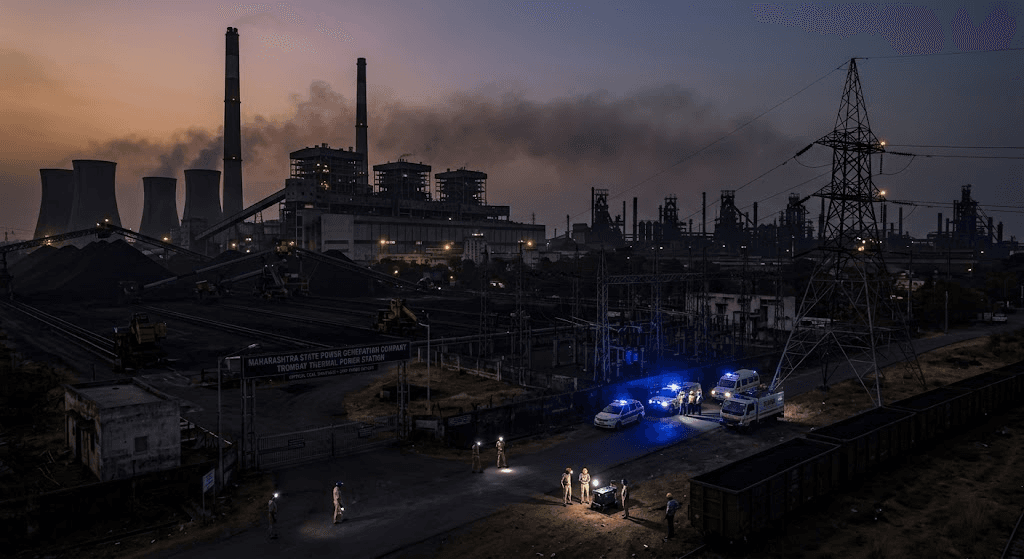
AI Image Disclaimer Illustrations were created using AI tools and are not real photographs.
Sources Ministry of External Affairs, India Ministry of Foreign Affairs, Pakistan Reuters Al Jazeera United Nations Assistance Mission in Afghanistan
Published by Banx Network. This article is part of the Banx decentralized media programme, powered by the BXE token on the XRP Ledger.