
Key Highlights
- Arrests:Approximately 500 protesters detained during a rally in London.
- Notable Figure:Robert Del Naja of Massive Attack among those arrested.
- Context:The protest was organized in solidarity with Palestine Action.
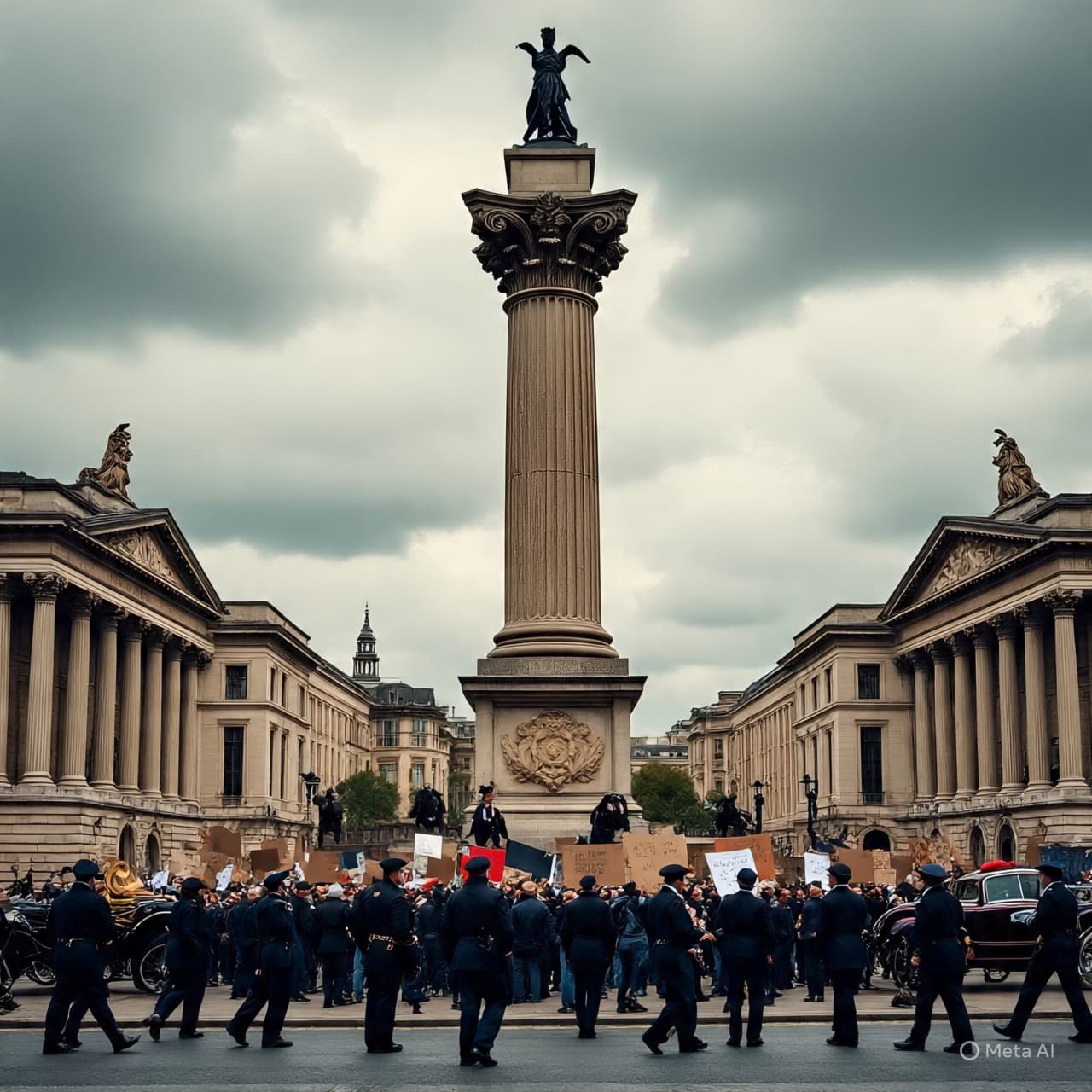
On Saturday, April 11, 2026, a significant protest unfolded in Trafalgar Square, London, where approximately 500 individuals were arrested during a demonstration organized in solidarity with Palestine Action. The event drew attention not only for its scale but also for the involvement of prominent cultural figures, including Robert Del Naja, the frontman of the band Massive Attack. Del Naja was photographed holding a sign that read, "I oppose genocide / I support Palestine action," and was subsequently charged with suspicion of showing support for a proscribed organization.
The atmosphere in Trafalgar Square was charged with emotion as protesters gathered to voice their dissent against the UK government's stance on Palestine. The square, a historical site for public demonstrations, became a focal point for discussions surrounding civil rights and the right to protest. The police presence was substantial, reflecting the authorities' commitment to maintaining order amidst rising tensions. The arrests, which occurred in a single operation, highlight the ongoing friction between state enforcement and public expression.
As the crowd swelled, the dynamics between the police and protesters intensified. The police, tasked with maintaining order, found themselves in a complex dance with the demonstrators, whose actions were driven by a deep sense of urgency regarding global issues. The decision to participate in such protests is often fraught with personal and political implications, as individuals weigh the risks of civil disobedience against their desire to advocate for change.
The implications of these arrests extend beyond the immediate legal consequences for those detained. They reflect a broader societal struggle regarding the treatment of dissenters and the extent to which individuals can express their beliefs in public spaces. The narrative surrounding these events often becomes polarized, with discussions focusing on legality versus morality. However, at the heart of these protests lies a fundamental human desire to be heard and to challenge the status quo.
In the aftermath of the protest, the empty square stands as a poignant reminder of the fervor that once filled it. The law may clear the streets, but the questions raised by the protest linger in the air, woven into the fabric of the city. The ongoing discourse surrounding these events serves as a reflection of society's values and priorities, particularly in how dissent is managed and perceived.
As the legal proceedings unfold for those arrested, the broader implications of the protest will continue to be debated. The treatment of dissenters is often seen as a litmus test for a society's health, revealing the tensions between governance and the voices of its citizens. The story of this protest is not merely a moment in time but part of an ongoing narrative about the struggle for justice and the right to protest in a democratic society.
Published by Banx Network. This article is part of the Banx decentralized media programme, powered by the BXE token on the XRP Ledger.



