

Key Highlights
- Landmark Decision:The Netherlands approves Tesla's self-driving features, the first in Europe.
- Safety Emphasis:Strict conditions ensure human oversight remains integral.
- Industry Impact:The decision may influence regulatory frameworks across Europe.
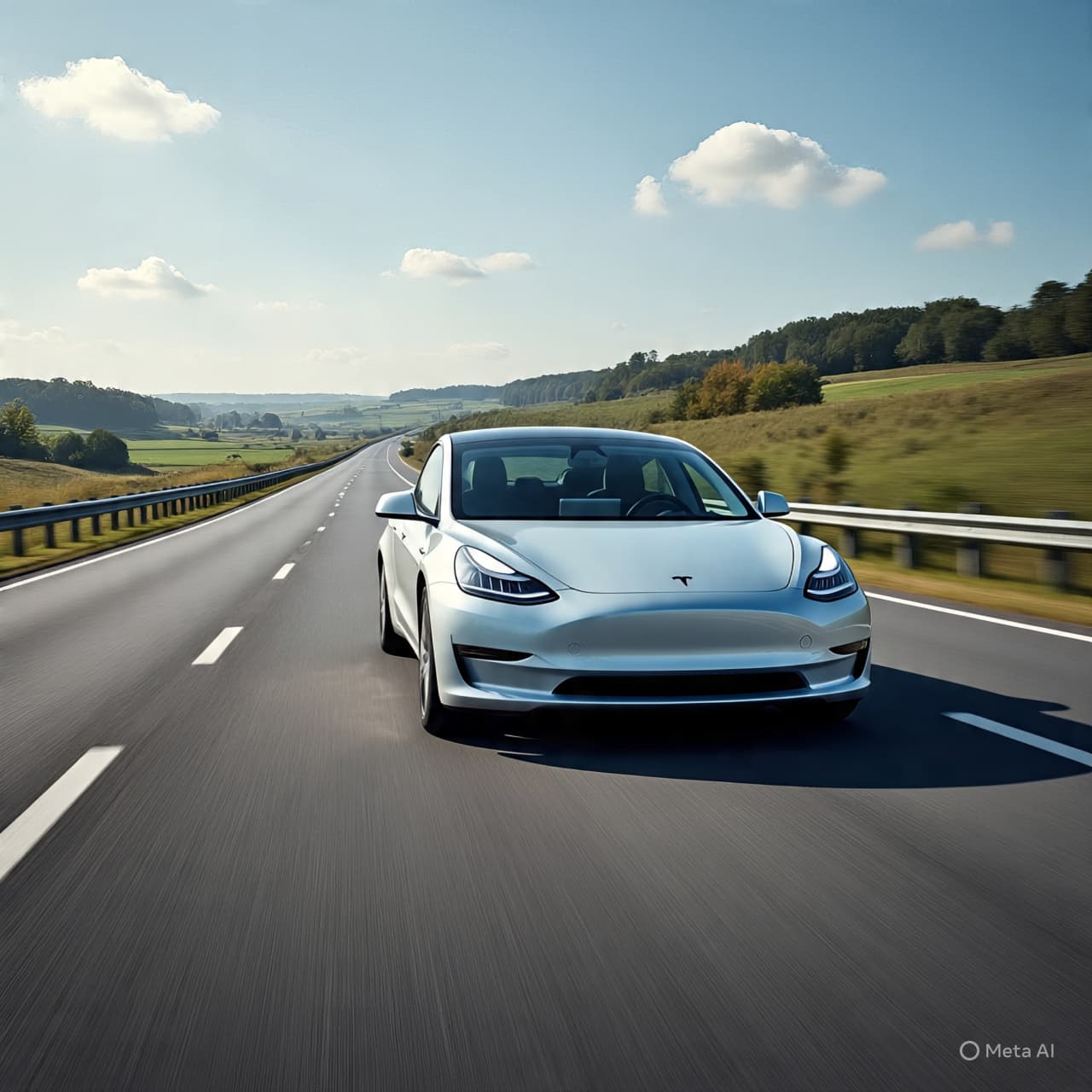
In a significant regulatory shift, the Netherlands has become the first European country to approve the use of advanced self-driving features for Tesla vehicles. This landmark decision allows Tesla owners to utilize enhanced driver-assistance systems, marking a cautious yet progressive step towards the future of autonomous driving in Europe.
The approval is not merely a regulatory formality; it reflects a careful consideration of safety and innovation. Dutch authorities have granted permission for Tesla's Full Self-Driving technology, which, while not fully autonomous, enables vehicles to perform tasks such as navigating highways and changing lanes with minimal human intervention. However, the system mandates that drivers remain vigilant, keeping their hands near the wheel and ready to take control if necessary. This careful balance between technological advancement and human oversight is emblematic of the European approach to autonomous driving.
Safety has been a primary concern for Dutch regulators throughout the approval process. Extensive testing and evaluation were conducted to assess the system's performance in real-world conditions. Authorities have emphasized the importance of data transparency and ongoing monitoring to maintain compliance and foster public trust in this new technology.
Historically, European regulators have adopted a more cautious stance on autonomous driving compared to their counterparts in the United States. Concerns regarding liability, infrastructure readiness, and ethical implications have contributed to a slower pace of adoption. The Dutch decision stands out as a notable exception, potentially setting a precedent for neighboring countries to follow.
For Tesla owners in the Netherlands, this regulatory change introduces a new driving experience that merges human intuition with machine precision. Early adopters have reported a blend of ease and vigilance, as the vehicle takes on routine tasks while the driver assumes a supervisory role. This shift in responsibility raises important questions about how drivers will adapt to a new dynamic that requires attention without constant action.
Industry analysts suggest that the Netherlands' decision could catalyze innovation within the automotive sector. Competitors may feel compelled to enhance their own self-driving systems, while regulators across Europe might reconsider existing frameworks in light of this progressive move. The implications of this decision could ripple through the industry, influencing how self-driving technology is perceived and regulated.
Despite the optimism surrounding this development, uncertainties remain. How will drivers navigate their new responsibilities? What will accountability look like when machine decisions intersect with human judgment? These questions linger, highlighting the complexities of integrating autonomous technology into everyday life.
As the Netherlands takes this measured step into the future of driving, the road ahead remains shared between human and machine. The evolving landscape of autonomous driving promises to redefine the very essence of what it means to be behind the wheel, blending innovation with the age-old ritual of driving.
Published by Banx Network. This article is part of the Banx decentralized media programme, powered by the BXE token on the XRP Ledger.




