
Key Highlights
- Xi Jinping emphasizes stability and cooperation with Vietnam.
- Vietnam maintains a balanced approach to its foreign relations.
- Economic ties between China and Vietnam continue to grow.
In the bustling streets of Hanoi, where scooters navigate through a blend of colonial architecture and modern developments, the city embodies Vietnam's ongoing journey of balancing its historical ties with contemporary global dynamics. Recently, Xi Jinping's remarks have drawn attention, suggesting a strategic pivot towards Vietnam amid shifting geopolitical landscapes.
Xi's comments, which subtly referenced the policies of former U.S. President Donald Trump, aimed to position China as a reliable partner for Vietnam. By contrasting China's approach with the unpredictability of past U.S. policies, Xi sought to reinforce the notion of stability and mutual benefit in the relationship between the two nations. This rhetoric comes at a time when global trade disputes and supply chain challenges have prompted countries to reassess their alliances and partnerships.
Vietnam's response to Xi's overtures is likely to reflect its long-standing diplomatic strategy of maintaining a careful balance between major powers. Historically, Vietnam has cultivated relationships with both China and the United States, navigating its foreign policy with a pragmatic and multidirectional approach. This strategy allows Vietnam to engage with various partners while preserving its strategic autonomy, a necessity given its geographical and economic positioning in Southeast Asia.
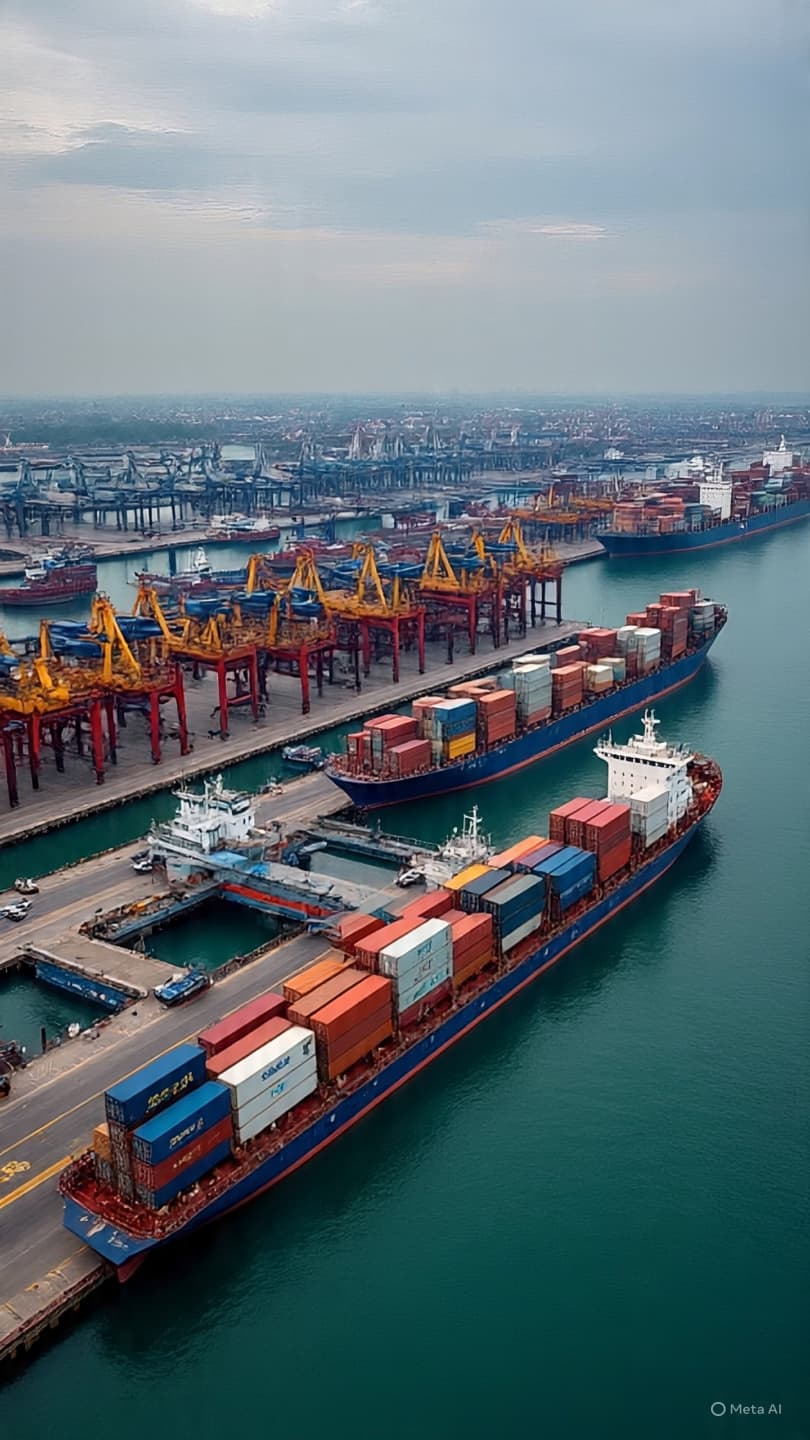
Economic factors play a crucial role in this diplomatic balancing act. Trade between China and Vietnam has surged, with both countries increasingly intertwined in regional supply chains. Simultaneously, Vietnam has expanded its economic ties with the United States and other global partners, positioning itself as a vital hub in international production networks. The language of diplomacy often carries economic implications, shaping not only expectations but also the nature of bilateral relationships.
The broader Southeast Asian region serves as a backdrop for these developments, where global powers vie for influence through investments, infrastructure projects, and trade agreements. In this context, gestures of partnership—whether symbolic or substantive—can indicate shifting priorities or reinforce existing alliances. Vietnam's ability to navigate these dynamics will be critical as it seeks to maximize its benefits while minimizing risks.
Despite the high-level discussions and diplomatic language, daily life in Hanoi continues with its own rhythm, largely unaffected by the machinations of international politics. Markets bustle, conversations flow, and the city adapts to both local and global changes. This continuity underscores the resilience of Vietnam's society, even as it engages in complex geopolitical negotiations.
As the implications of Xi's remarks are further analyzed, it is clear that China is signaling a desire to strengthen ties with Vietnam. The response from Vietnam will likely align with its established diplomatic approach—engaging where advantageous and balancing its relationships as necessary. In the streets of Hanoi, where the past and future converge, the contours of this balance are continuously evolving, reflecting a nation aware of the broader currents shaping its destiny.
Published by Banx Network. This article is part of the Banx decentralized media programme, powered by the BXE token on the XRP Ledger.



