There are systems we come to trust not because they are simple, but because they appear to move in harmony. Prices rise and fall, markets adjust, and beneath it all lies an intricate web of connections—quietly binding one resource to another. Yet sometimes, what once felt like balance begins to reveal its tensions, asking whether the ties that hold things together might also be the ones that constrain them.
In Europe’s energy landscape, such a question has gently resurfaced. Fatih Birol, head of the International Energy Agency, has suggested that the European Union consider rethinking the long-standing link between electricity and natural gas prices. His remarks come at a time when energy markets continue to adjust after periods of volatility, shaped by geopolitical shifts and changing supply dynamics.
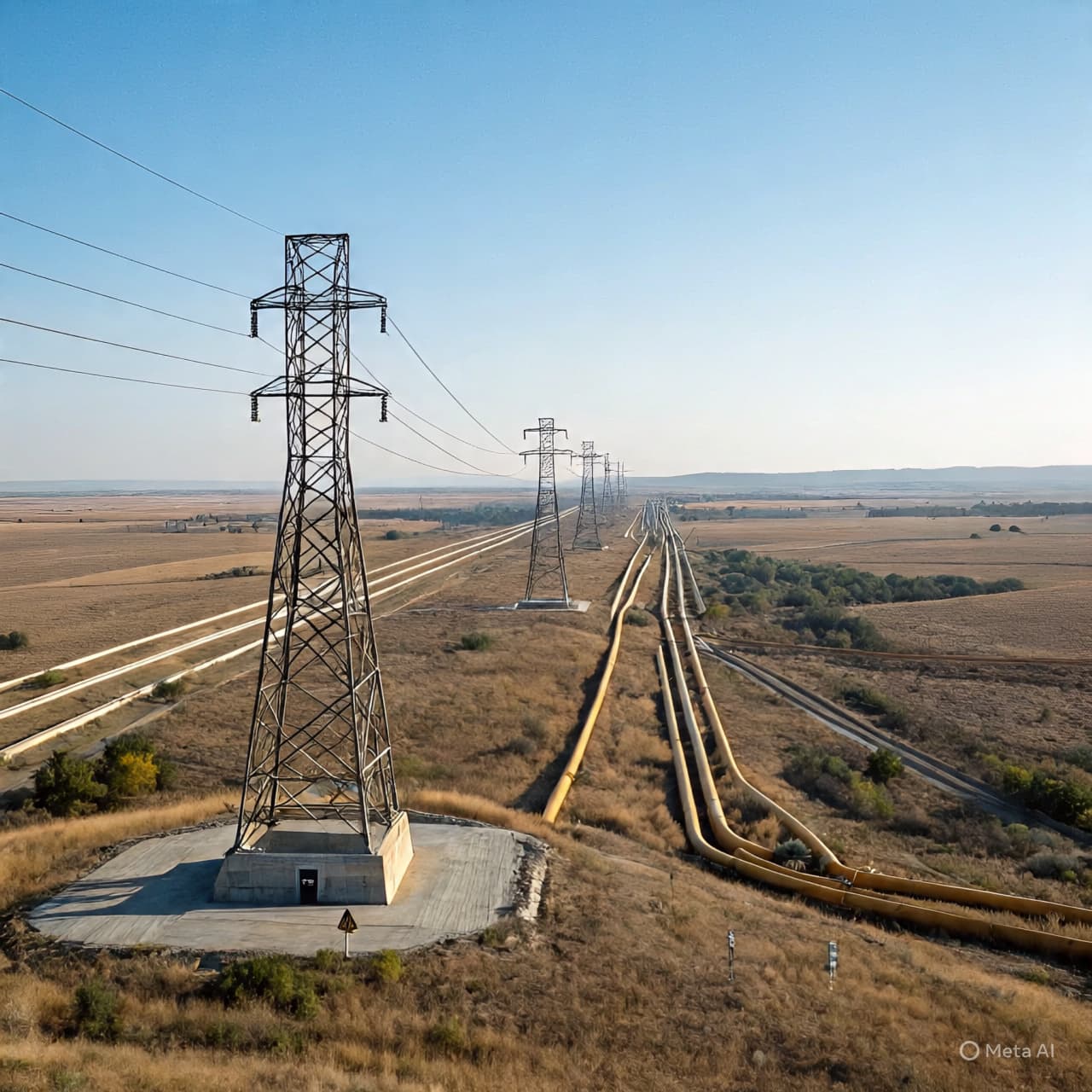
Under the current system, electricity prices in many parts of Europe are often set by the cost of the last unit of energy needed to meet demand—frequently natural gas. This structure, while designed to ensure efficiency and market balance, has also meant that spikes in gas prices can ripple quickly into electricity costs, affecting households and industries alike.
Birol’s suggestion does not present itself as a directive, but rather as an invitation to reflect. Should the price of electricity remain so closely tied to a single fuel, especially in a region that is increasingly diversifying its energy mix? As renewable sources such as wind and solar expand their presence, the question becomes whether the existing framework fully captures the evolving reality.
The European Union has, in recent years, taken steps to reduce its reliance on imported fossil fuels, while also accelerating its transition toward cleaner energy. In this context, the linkage between gas and power prices can appear, at times, out of step with broader ambitions. Decoupling the two, however, is not a straightforward task. It would involve redesigning market mechanisms that have been in place for decades, balancing efficiency with stability.
Supporters of reconsidering the link suggest that doing so could help shield consumers from sharp price swings driven by gas markets. Others caution that the current system, despite its imperfections, provides clarity and predictability for investors and operators. Any shift would therefore require careful calibration, ensuring that unintended consequences are minimized.
Birol’s remarks arrive not as a conclusion, but as part of an ongoing conversation within European policy circles. Discussions around market reform have been present since the energy crisis intensified in recent years, with various proposals explored and debated.
For businesses and consumers, the implications of such discussions are both immediate and long-term. Energy prices influence everything from household bills to industrial competitiveness, making even incremental changes in policy significant in their reach.
As the European Union continues to navigate its energy transition, voices like Birol’s contribute to a broader reflection on how systems evolve. The goal is not merely to respond to past challenges, but to anticipate future needs—ensuring that markets remain both resilient and adaptable.
For now, no immediate policy shift has been announced. European officials are expected to continue examining the structure of energy pricing, weighing the benefits and complexities of potential reforms. The link between power and gas remains in place, even as the conversation around it grows more attentive.
AI Image Disclaimer Graphics are AI-generated and intended for representation, not reality.
Source Check (Credible Media Identified):
Reuters Bloomberg Financial Times CNBC Politico
Published by Banx Network. This article is part of the Banx decentralized media programme, powered by the BXE token on the XRP Ledger.