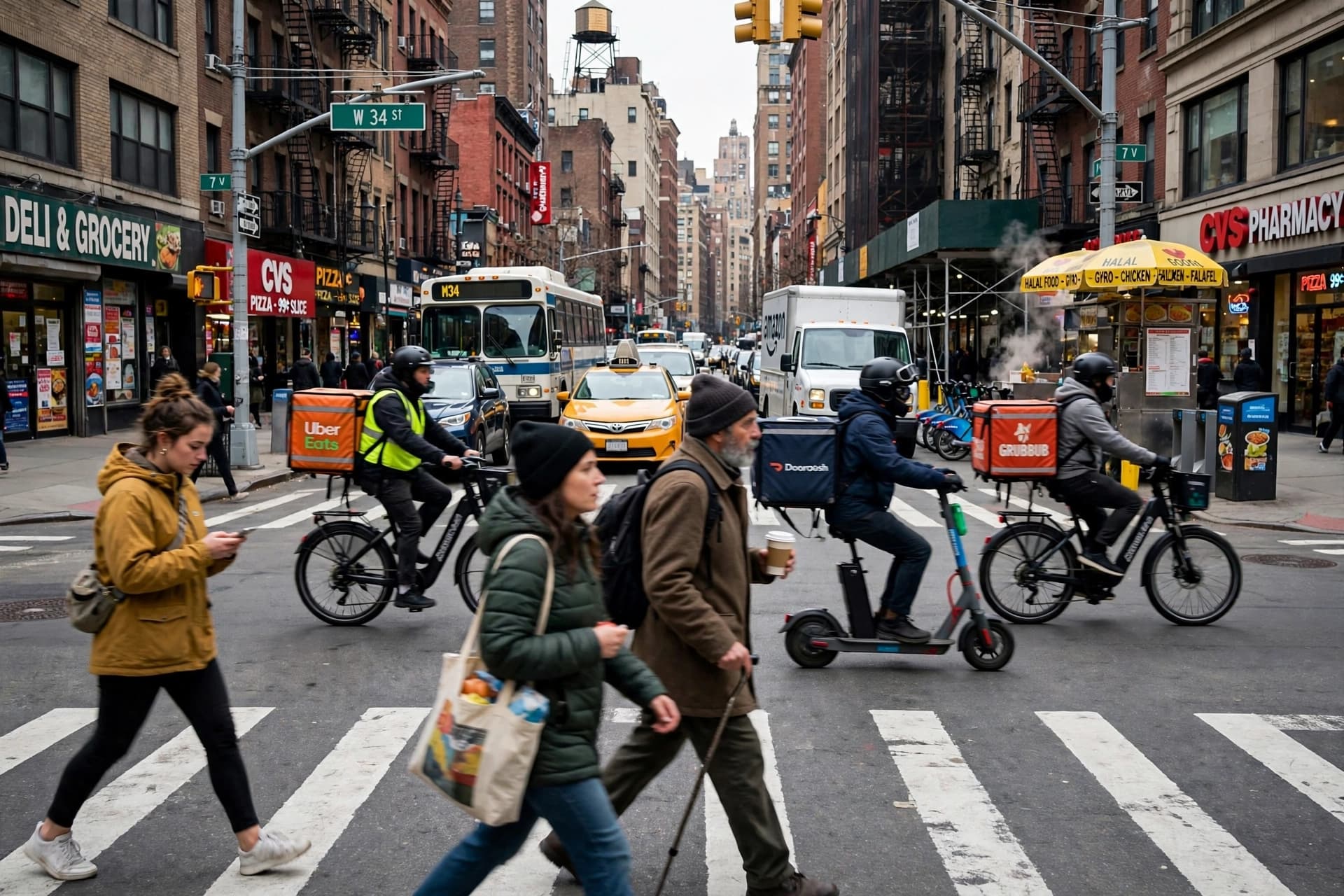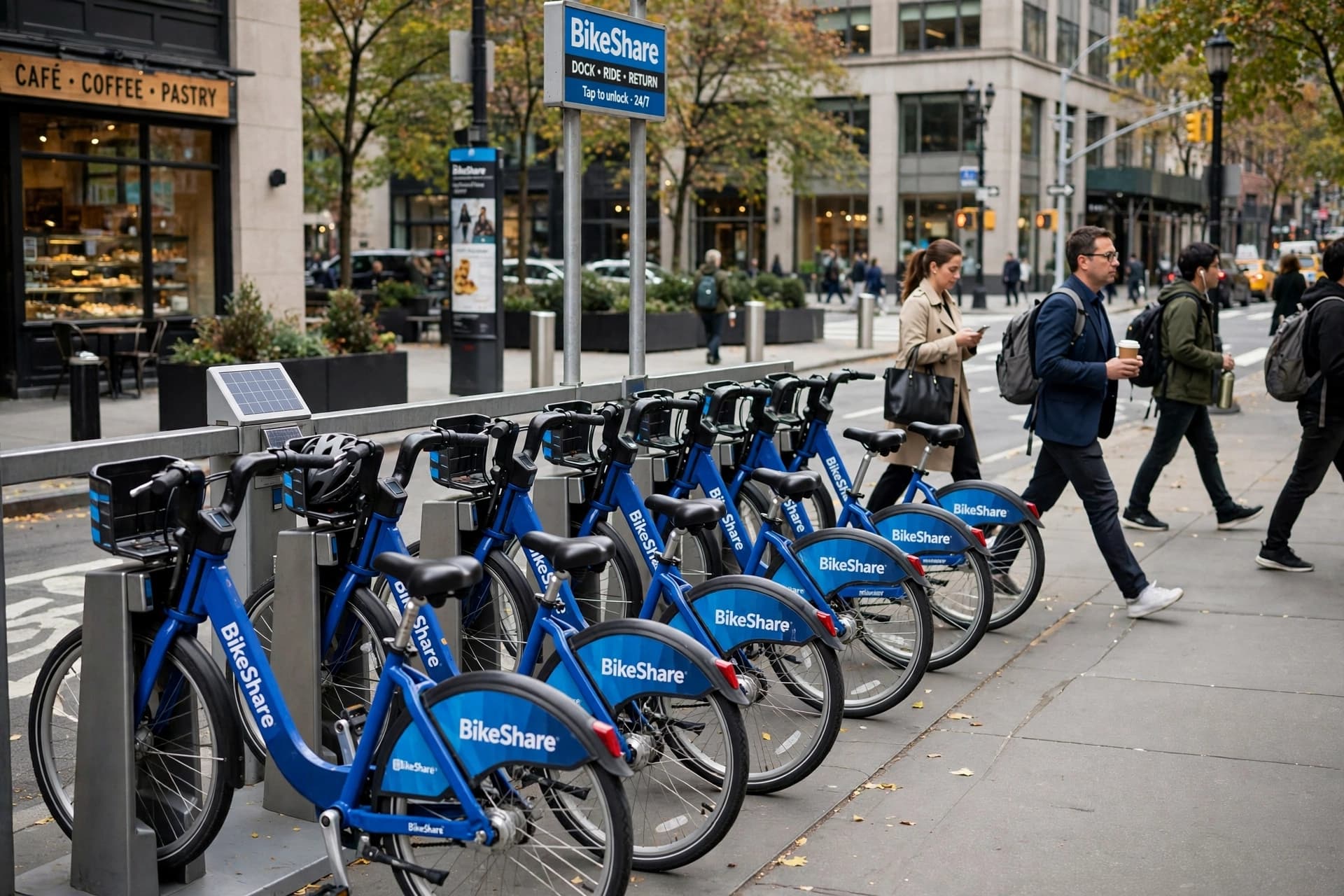
There is a quiet arithmetic to the way a city moves. Every trip taken, every mile driven, every ounce of carbon released into the air adds up to a sum that no single commute can reveal. In the space between a car and a bus, between ownership and access, a different kind of vehicle has been quietly changing the equation. The shared bicycle, simple and unassuming, is proving to be more than a novelty of urban life.
A recent study from the University of British Columbia examined Vancouver‘s bike-share program and arrived at a figure that is both modest and meaningful: approximately 18 shared bikes are needed to match the emissions reduction of removing one fossil-fuel car from the road . At first glance, that ratio may seem underwhelming. But the study‘s authors are quick to note that the comparison depends entirely on how intensively the bikes are used. Under a high-utilization scenario, where shared bikes replace more car trips, that number drops to just five bikes per car .
The environmental value of bike sharing, in other words, is not fixed. It is a function of behavior. A bike-share system that sits unused offers little benefit. A system integrated into the daily rhythms of commuting—particularly for short trips that would otherwise be taken by car—can meaningfully reduce both greenhouse gas emissions and the toxic exhaust particles that contribute to urban air pollution. Transportation accounts for nearly a quarter of Canada‘s greenhouse gas emissions, and in Metro Vancouver, the figure rises to about 40 percent . In 2015, transportation-related air pollution was associated with over 1,200 premature deaths in Canada .
The study identifies a particularly promising pool of trips: those classified as “bikeable but not walkable,” meaning they are too long to walk comfortably but still within practical cycling distance. In Vancouver, about 11 percent of all daily trips fall into this category . These are the journeys where a shared bike could most easily substitute for a car—short, frequent, and often made alone.
Evidence from other cities reinforces the potential. Research on the integration of bike-sharing into Lyft’s ride-hailing app in New York City found a 12 percent overall increase in bike-share ridership, driven entirely by non-subscribers whose usage surged by 122 percent . The increase was concentrated during rush hours, when roads are most congested and the marginal costs of car trips are highest. The study also found suggestive evidence that around 7 percent of Lyft ride-hailing trips were substituted by bike-share riders .
None of this suggests that bike sharing alone can solve the problems of urban transportation. Electric vehicles, public transit, and walking all have roles to play. But as the Vancouver study notes, electrification of cars addresses tailpipe emissions without addressing congestion—electric cars occupy the same road space as their fossil-fuel counterparts . They are also heavier, placing additional wear on roads, and still generate non-exhaust particulate emissions from tire and brake wear .
The shared bicycle offers something different: a mode of transport that takes up less space, produces no emissions in operation, and requires no personal ownership. It is not a solution for every trip. But for the short, solo journeys that make up a significant portion of urban travel, it is a tool that cities can choose to use more deliberately. The arithmetic is not dramatic. But it is real, and it adds up.
---
AI Image Disclaimer: The visual content in this article was generated using artificial intelligence and is for illustrative purposes only.
Sources: The Conversation, University of British Columbia, LSE Grantham Research Institute
Published by Banx Network. This article is part of the Banx decentralized media programme, powered by the BXE token on the XRP Ledger.